Picture this: sunset over Tampa Bay, your boat lift quiet, your lanai spotless, and every system humming along while you are in another state. Owning a second home in Apollo Beach can feel effortless when you plan for the realities of waterfront upkeep, storm season, and remote oversight. In this guide, you will get a clear plan, practical checklists, and trusted local resources to help you protect your investment and enjoy the lifestyle you came for. Let’s dive in.
Why Apollo Beach works for remote owners
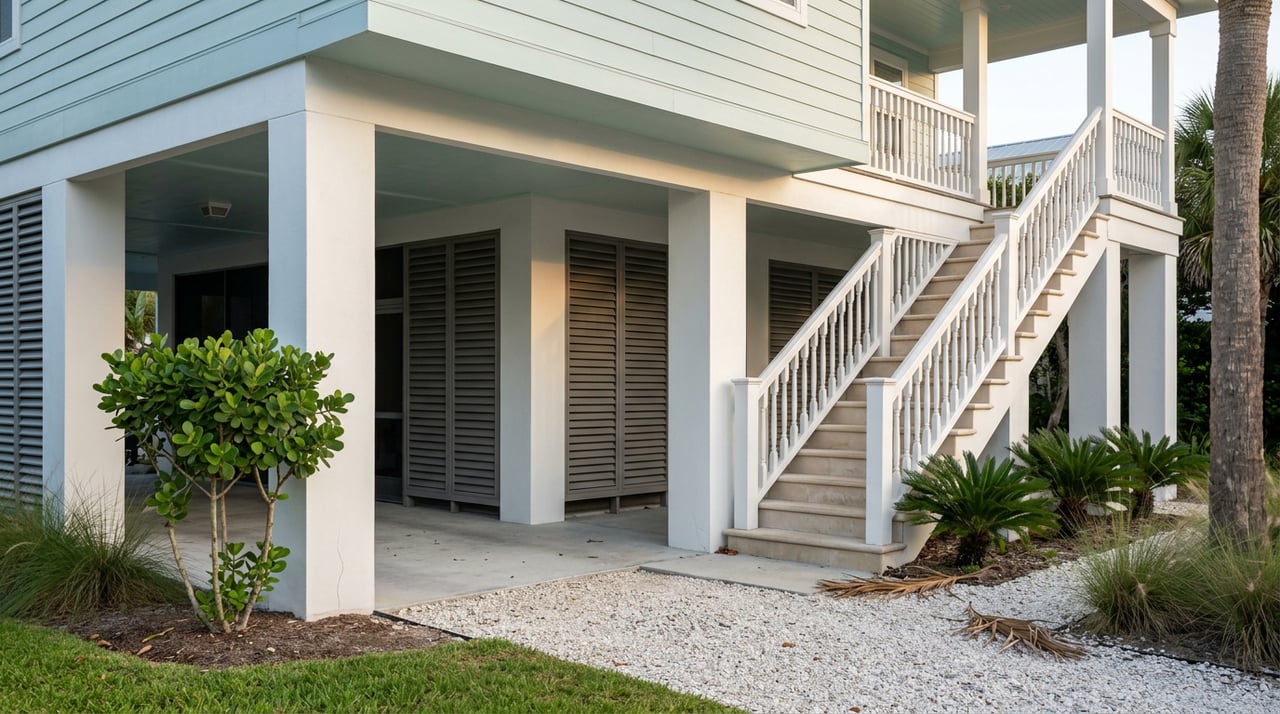
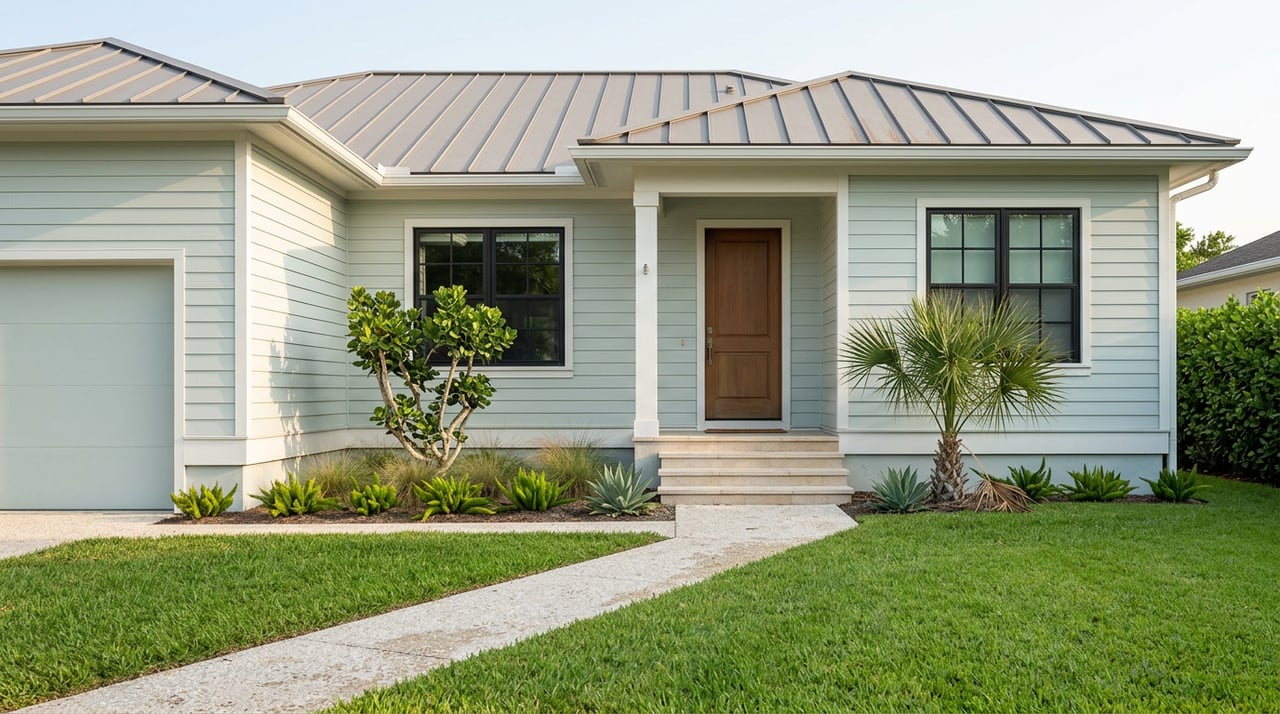
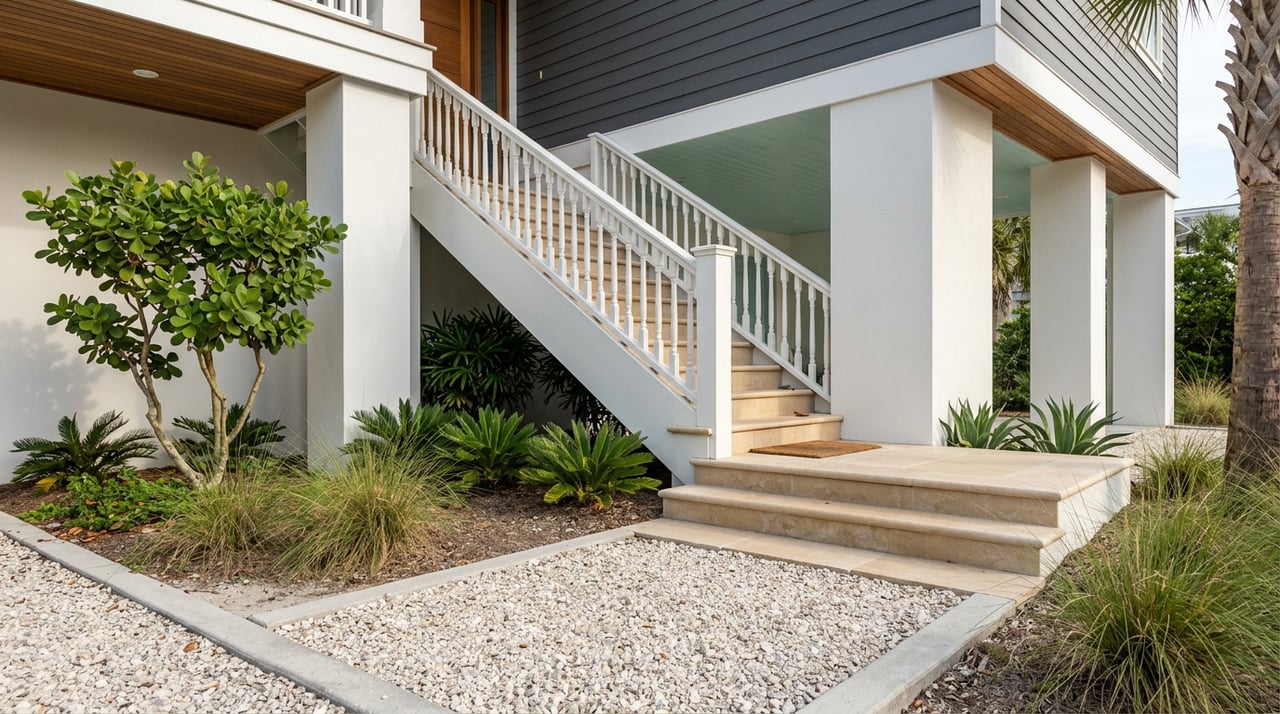
Apollo Beach sits in southern Hillsborough County and is known for waterfront and canal-front living. Many second homes include docks or boat lifts, which means a little more planning for maintenance and permitting. With the right systems and local support, you can keep your place guest-ready for your visits and worry-free when you are away.
Set up utilities and local services
Your first step is to establish essential services and rules of the road.
- Water and sewer: Service in Apollo Beach is provided by Hillsborough County. Set up or transfer your accounts and check any local irrigation or watering rules through Hillsborough County Public Utilities.
- Mail and packages: Arrange forwarding or have your manager collect mail so nothing piles up. Visible accumulation can flag that a home is unoccupied.
- Trash and recycling: Confirm pickup schedules and instructions with your manager or the county. Keep bins secured when you are away.
Understand flood and storm risk
Storm season shapes life on Florida’s Gulf Coast. A little planning goes a long way.
- Hurricane timeline: The Atlantic season runs June 1 through November 30. Get your plan in place before June 1 using guidance from the National Hurricane Center.
- Storm surge reality: Tampa Bay communities can see significant surge depending on a storm’s track. Canal and bayfront owners should plan for water rise, safe storage for small boats, and elevation-aware protection. See context from Yale Climate Connections.
- Flood zone check: Look up your property address at FEMA’s Flood Map Service Center to confirm your flood zone and whether a lender would require flood insurance.
Insurance basics for a vacant second home
- Homeowner policies do not cover flood. You buy flood coverage separately through the NFIP or private carriers. Premiums vary by location and elevation. Learn the basics from the Insurance Information Institute.
- Vacancy clauses matter. Many policies limit coverage if a home sits unoccupied for 30 to 60 days. To avoid claim issues, notify your insurer of vacancy, ask about endorsements or a vacant-dwelling policy, and document routine checks. Review why this matters via the Insurance Information Institute’s vacancy guidance.
Storm-season action list
Use this simple list to prep early and stay consistent:
- Confirm current wind and homeowners coverage, plus separate flood insurance if needed.
- Verify vacancy terms with your insurer and keep proof of regular checks and monitored systems.
- Put a written hurricane plan on file with your manager, including who installs shutters or boards windows and who documents pre-storm photos.
- Know your local evacuation zone through Hillsborough County emergency management and share contact numbers with your manager.
Your remote-care calendar
A set cadence keeps small issues from becoming big ones. You can do these yourself during visits, hire vendors, or assign them to a property manager or home-watch service.
Weekly or biweekly
- Exterior check of doors, windows, and visible rooflines
- Mail pickup and package handling
- Lawn, landscape, and pool service during the growing and swimming seasons
Monthly
- Interior walkthrough or photo/video report to check for leaks, pests, and HVAC function
- Change HVAC filters during heavy-use months
- Routine pest control appropriate for Florida conditions
Quarterly or seasonally
- Pool system service and chemical balancing
- Roof and gutter inspections before and after hurricane season
- Generator test and fuel check if you have one
Annually
- Full HVAC preventive service
- Termite inspection or treatment plan if recommended
- Inspection of chimneys, decks, and major systems
Special notes for waterfront homes
Waterfront living adds a few technical items to your list. Plan for:
- Seawall and dock inspections to check for settling, fastener corrosion, and signs of failure
- Boat lift servicing and a defined plan for high-wind storage
- Permits for shoreline work. Many dock, seawall, and bulkhead projects require state or county authorization. Verify permits before you repair or replace structures by reviewing state guidance on shoreline and submerged-lands approvals, such as the case materials linked through Florida administrative resources.
Smart security, access, and monitoring
- Install smart alarms, cameras, thermostats, and water-leak sensors that send alerts to you and your manager.
- Use a coded lockbox or managed key program for cleaners and contractors. Update codes when vendors change.
- Set parcel delivery notes and use hold services during long absences.
If you plan to rent the home
Short-term or long-term rentals can influence your licensing, taxes, and insurance. Clarify your plan early.
Licensing baseline in Florida
- In Florida, many leasing and rent-collection activities are regulated real estate services. Confirm your provider operates under the proper license as defined in Florida Statutes Chapter 475.
- Short-term and vacation rentals may trigger additional state licensing and state preemption rules that affect local regulations. Review current legislative guidance, such as the Florida Senate’s analysis of statewide vacation rental rules, to understand what may apply to you (bill analysis link).
Taxes for transient rentals
- Florida requires state tax registration and often county-level tourist development taxes for short stays. Confirm registration and remittance details through the Florida Department of Revenue’s rules and forms, including references here: Florida Department of Revenue resources.
What property managers typically do
Services vary by company, so match your needs to the scope:
- Home-watch oversight for non-rentals: scheduled inspections, vendor coordination, storm prep, and reporting with photos
- Long-term rentals: tenant sourcing, screening, leases, rent collection, maintenance, and accounting
- Short-term rentals: listing setup, pricing, guest communication, turnovers, and damage handling
Typical fee ranges you might see in the market:
- Long-term management: about 8 to 12 percent of monthly rent for full service, market dependent
- Short-term management: about 10 to 35 percent of rental revenue, often tiered by service level
What to expect in a management agreement
Insist on clarity before anyone holds your keys.
- Scope: inspection frequency, emergency coverage, and what is considered routine
- Response times: after-hours and storm-related procedures
- Vendors and billing: who selects vendors, how invoices are approved, and whether a reserve is required
- Insurance: proof of general liability and worker’s comp for staff and subcontractors
- Reporting: monthly statements, photos, and an owner portal for documents
- Termination: return of keys, codes, and digital access when the agreement ends
Decision and monthly checklists
Use or share these with your manager. They help you standardize communication and spot issues early.
Before you buy or right after closing
- Look up the flood zone for the exact address at FEMA’s Flood Map Service Center; order an elevation certificate if the home is in an A, AE, or V zone
- Ask the seller for recent pest reports and any records of seawall or dock repairs
- Decide if you plan to rent the home short-term or long-term. Licensing, taxes, insurance, and permits differ by use. Review current Florida guidance on rental regulation, such as the state bill analysis
- Hire an independent inspector for a baseline condition report and clear exterior photos
Monthly and seasonal remote-owner checklist
- Request this month’s inspection report with photos of the exterior, interior, under-sink areas, attic access if any, HVAC filter, and pool status, plus vendor invoices
- Confirm normal water meter readings, that the water is on, and that no new stains or leaks are visible
- During hurricane season, confirm shutters or fasteners are ready, the generator has fuel and a good battery, and the boat lift or vessels are secured or stored appropriately
Questions to vet a property manager
- Are you a licensed real estate broker or operating under one? Please provide license number. See definitions in Chapter 475
- Can you show current general liability and worker’s comp certificates?
- Do you have local references and a sample monthly inspection report?
- How do you select vendors and handle billing? Do you require a reserve?
- What is your emergency response time and on-call fee schedule?
- Do you register and remit state and county transient rental taxes, or will I? If you remit, provide a sample report. For rules and forms, see the Florida Department of Revenue
How Costa Living supports remote owners
You deserve a second home that feels easy. At Costa Living, we match you with the right Apollo Beach property, explain flood and waterfront nuances in clear terms, and coordinate a smooth, virtual-friendly purchase from first tour to closing. Our certified waterfront expertise and builder background help you evaluate docks, seawalls, elevation, and new-construction options with confidence. Once you own the home, we connect you with vetted local professionals and trusted managers so your property is cared for between visits.
Ready to build a lifestyle you do not need to vacation from in Apollo Beach? Reach out to Jo-Lee Mansfield to talk through your goals and get a tailored plan. Schedule a free consultation.
FAQs
What should an out-of-state buyer know about Apollo Beach flood zones?
- Look up your address at FEMA’s Flood Map Service Center to confirm your zone and whether a lender will require flood insurance.
When is hurricane season on Florida’s Gulf Coast?
- The Atlantic hurricane season runs June 1 to November 30, with the most activity typically in late summer. Check timing and prep guidance from the National Hurricane Center.
Do standard homeowner policies cover flooding for a second home?
- No. Flood is a separate policy through the NFIP or private carriers, and pricing depends on location and elevation. See the Insurance Information Institute for basics.
How do vacancy clauses affect my second-home insurance?
- Many policies limit coverage after 30 to 60 days unoccupied. Tell your insurer, ask about endorsements, and keep proof of regular checks. Learn more from this vacancy overview.
Do I need a licensed manager if I rent my Apollo Beach home?
- In Florida, leasing and rent-collection activities often require a licensed real estate professional under Chapter 475. Confirm licensing before you sign an agreement.
Are permits required to repair my dock or seawall?
- Many shoreline projects need state and county approvals. Verify permits before work by consulting relevant Florida administrative resources and your local permitting office.