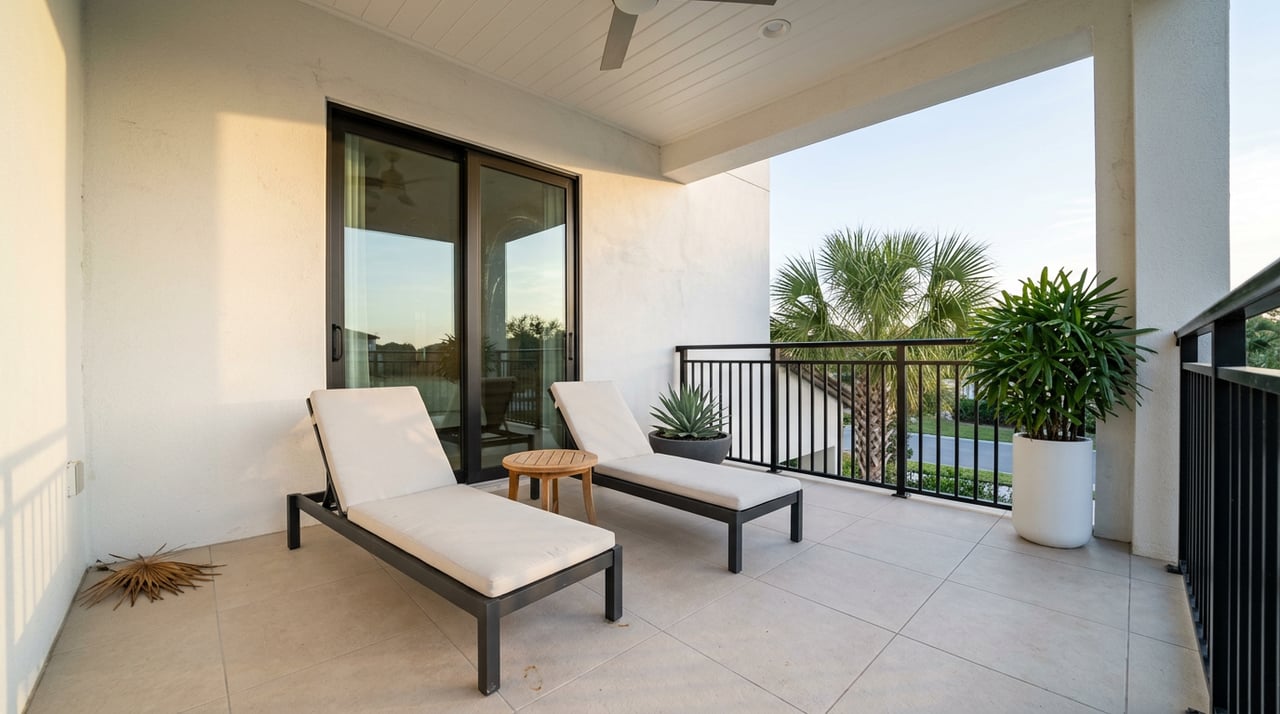
You come to Anna Maria for sugar‑soft sand and emerald water, not spreadsheets. Still, the smartest coastal buys start with clear tradeoffs. If you are torn between a low‑maintenance condo and a classic beach cottage, you are not alone. In this guide, you will compare costs, risk, rules and lifestyle so you can choose the home that fits how you want to live, rent, and relax. Let’s dive in.
What really decides condo vs. cottage
On Anna Maria, a few island‑specific factors tip the scale:
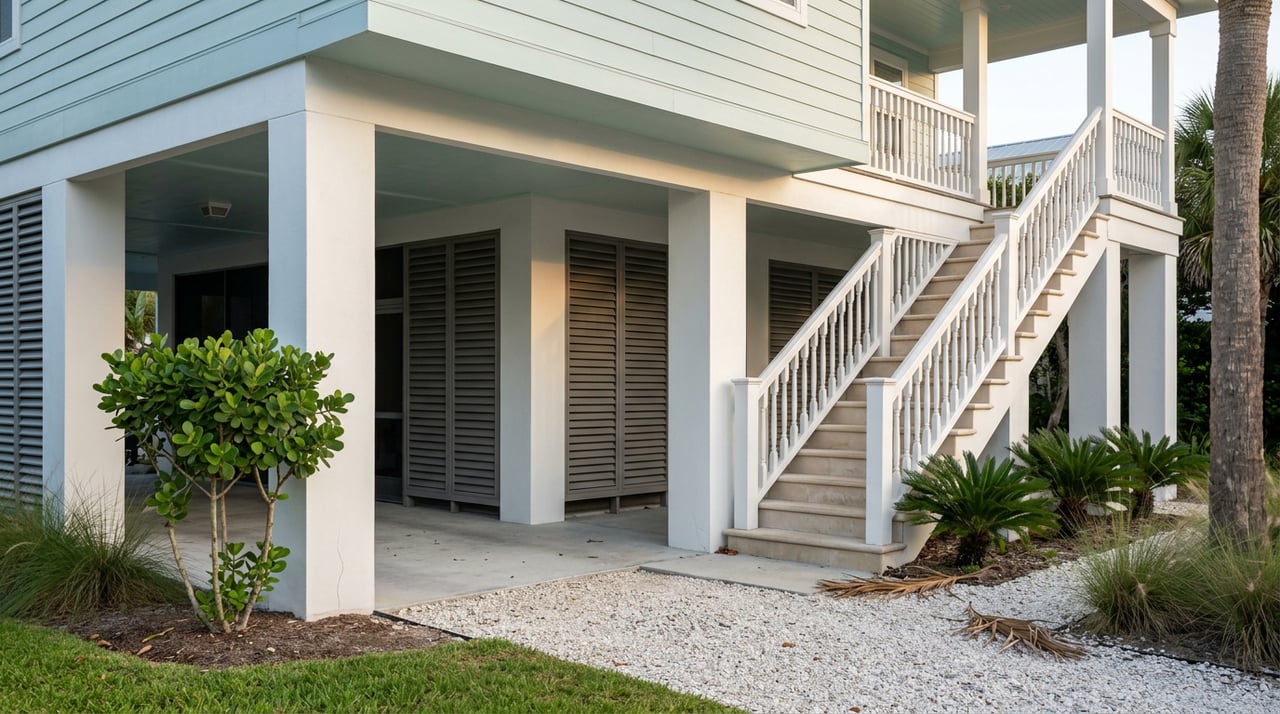
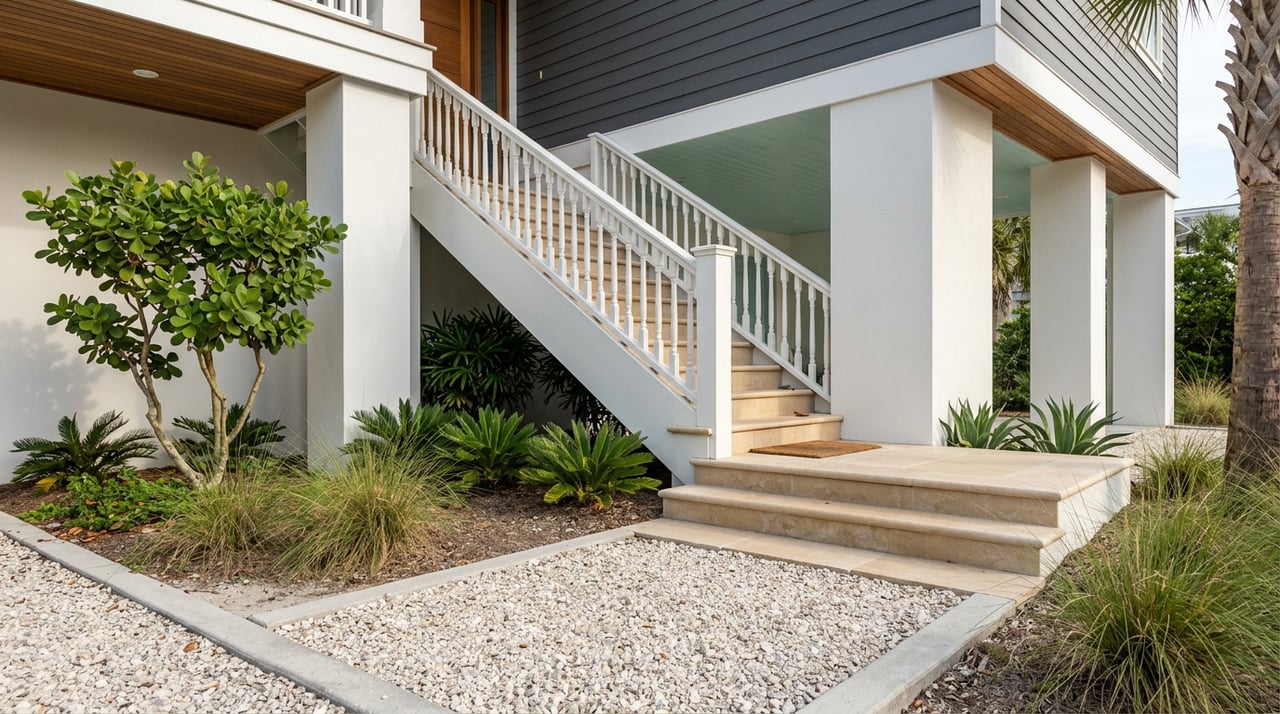
- Flood zone and elevation. Much of the island sits in FEMA Special Flood Hazard Areas. Your zone and elevation shape insurance costs and renovation rules. Start here.
- Short‑term rental rules. The City of Anna Maria requires vacation‑rental registration and enforces occupancy and conduct rules. Building or HOA rules can add limits.
- Association health for condos. Insurance coverage, reserves and structural inspections affect dues, special assessments and financing.
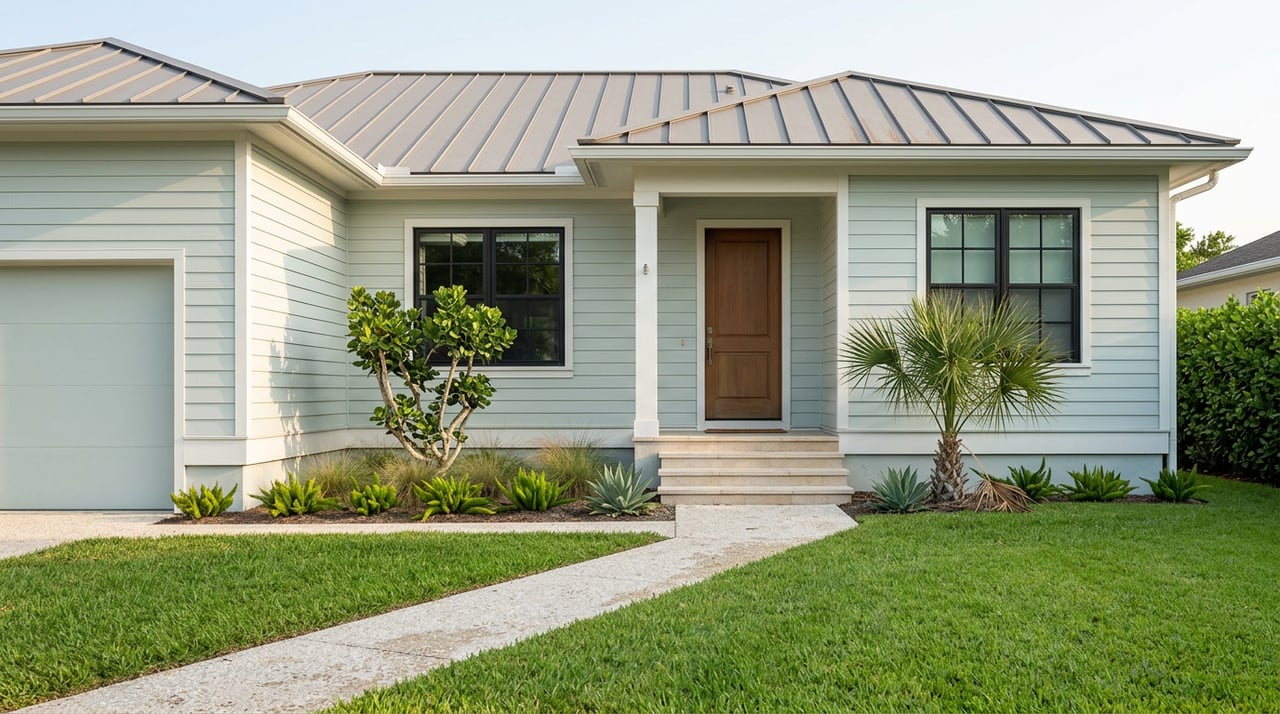
- Exterior upkeep for cottages. You carry the roof, yard, and any shoreline structures, which means more control and more variable costs.
You will find links throughout this post to local and state sources so you can verify each step.
Flood, elevation and insurance realities
Flood risk is not a footnote on a barrier island. It is a first check.
- Confirm the FEMA flood zone and request an elevation certificate early. Zones AE or VE are common here, and VE beachfront parcels often carry higher flood premiums. Review the Florida community flood overview and plan for both NFIP and private flood quotes to compare options. See FEMA’s Florida overview for context on mapping and programs at the state level. View FEMA’s Florida community status and mapping overview.
- Your building elevation and construction year influence not just insurance, but also what happens if you renovate or repair. Lower elevations can trigger stricter rules during major work. More on that below.
- For wind and homeowners insurance, coastal premiums are typically higher than inland. Condo owners often rely on a master policy for the structure and carry an HO‑6 for interiors and loss‑assessment coverage. Single‑family owners carry a full HO‑3. Either way, get written quotes during your inspection period.
Pro tip: Ask for the association’s master policy declarations page if you are buying a condo, and get companion HO‑6 and flood quotes that match the building’s deductibles.
Short‑term rentals and income potential
Anna Maria is rental‑friendly, but it is also well regulated. If you plan to offset costs with vacation rentals, confirm what is allowed before you set your heart on a floor plan.
- The City of Anna Maria requires vacation‑rental registration and enforces occupancy and conduct rules. The city has a defined process, forms and fees, and has adjusted enforcement over time. Review the city’s vacation rental rules and registration.
- Rules vary between Anna Maria, Holmes Beach and Bradenton Beach, and your HOA or condo board can be more restrictive than the city.
- Buildings with on‑site management may streamline STR operations, but they can also cap minimum nights, pets, parking and guest access.
Model revenue only after you confirm city rules, building restrictions and any transfer or application requirements.
Ownership costs you should model
You will see both predictable and variable costs on the island. Treat these as line items in your decision.
Condo costs and reserves
- Monthly dues vary by building and amenities. The association typically maintains the exterior and common areas and insures the structure on a master policy. Florida’s Condominium Act lays out duties for operation, maintenance and insurance. Review association duties and insurance requirements in §718.111.
- Reserves matter. Florida now requires Structural Integrity Reserve Studies (SIRS) for eligible buildings and limits certain reserve waivers. Some associations are increasing reserves or levying special assessments to comply. Read reserve and financial rules in §718.112.
- Expect and plan for special assessments in older buildings or those completing structural work. Ask for the budget, reserve study and recent meeting minutes.
Cottage costs and capital work
- You control the entire parcel, which often means higher variable maintenance: roof, siding, painting, landscaping, exterior pest control and storm‑hardening.
- Waterfront parcels can add dock or seawall upkeep. These are not monthly dues, but they can be large, irregular expenses. Get a qualified inspection when applicable.
- Utilities are typically straightforward. The island is served by county wastewater infrastructure, and most homes are on public sewer. Local projects and lift‑station work can affect streets and timelines, so verify connection on parcel records. See the island sewer and force‑main project summary.
Taxes and Florida homestead
- If you plan to live here full‑time, the Florida homestead exemption and Save‑Our‑Homes cap can meaningfully reduce and stabilize property taxes over time. If you will use the home seasonally or as a rental, model taxes without homestead benefits. Review Florida homestead and assessment rules.
Condo building health checks to run
Not all condos are alike on the Gulf. Building health affects daily living, resale and financing. Your lender will care, and so should you.
Master insurance and your HO‑6
Ask for the association’s master policy declarations pages, including hurricane and flood deductibles. Confirm what the master covers versus what you must insure inside the unit. Florida law assigns specific insurance duties to the association. See the Condominium Act’s insurance framework in §718.111.
Reserves and SIRS requirements
If the building is 3 stories or more, it is likely subject to SIRS rules that identify structural components and require dedicated reserves. Ask for the latest reserve study, operating budget and any board plan to fund required items. Review reserve rules and funding requirements in §718.112.
Milestone structural inspections
Florida requires milestone structural inspections for condo and cooperative buildings that are 3 stories or higher, with earlier timelines near the coast. Get the Phase 1 and any Phase 2 reports, plus the engineer’s summary and cost estimates. Read the milestone inspection statute §553.899.
Financing and warrantability
Even strong buyers meet roadblocks when a building is non‑warrantable. Ask early whether conventional, FHA or VA loans are available for the project and whether single‑unit approvals could apply. This can affect your rate, down payment and closing timeline. Learn how FHA condo approvals and single‑unit approvals work.
Cottages: coastal responsibilities to know
Single‑family ownership gives you privacy and control. It also puts you in charge of compliance and permits when you renovate or repair.
Substantial improvement rules
When repairs or renovations reach a defined threshold, local and NFIP rules can require that the structure meet current elevation and flood‑resistance standards. On lower‑elevation cottages, this can turn a simple remodel into a larger project. Confirm past claims, current elevation and the likelihood that planned work will trigger these rules. Review substantial improvement guidance.
Shoreline work and permits
Seawalls and docks usually require local and county permits, and can involve state and federal approvals. Check recorded permits and any shared‑structure agreements if a seawall or dock is present. Water‑adjacent repairs can carry high contingency costs, so inspect and price them before you finalize your offer. See a U.S. Army Corps of Engineers public notice for permit context.
Lifestyle fit: which one matches you
Both property types deliver the Anna Maria vibe. The right fit depends on how you want to live day to day.
Condos: lock‑and‑leave ease
- You prefer predictable dues over surprise repairs.
- You like less exterior work and possibly shared amenities.
- You want onsite or simplified rental management, if allowed by rules.
- You are comfortable with house rules on pets, parking and renovations.
Cottages: privacy and control
- You want outdoor space, parking and your own landscape.
- You value control over renovations without board approvals.
- You plan to homestead and stay long term, or you simply love the standalone feel.
- You accept variable maintenance and are ready to manage vendors.
Due‑diligence checklist for your offer
Use this quick list to compare a condo and a cottage side by side.
- Flood and elevation: FEMA flood zone, FIRM panel, elevation certificate, and any past flood or claim history.
- Insurance quotes: HO‑3 or HO‑6, flood quotes from NFIP and private carriers to match the property’s risk and building deductibles.
- Condo docs: declaration, bylaws, rules and any covenants. Ask for the association’s master policy pages, budget, reserve study or SIRS, milestone reports, recent meeting minutes and an estoppel or resale certificate.
- Financing: verify project warrantability and loan options, including FHA single‑unit approval if relevant.
- Cottage inspections: full home inspection plus roof, HVAC, plumbing and electrical. For waterfront parcels, add a seawall and dock evaluation by a qualified marine contractor.
- Renovation scope: price desired updates and confirm whether substantial improvement rules could be triggered.
- Rentals and operations: city registration rules, minimum stays, occupancy caps, guest parking and vendor access rules.
- Utilities and access: confirm sewer connection, any active or planned infrastructure projects nearby, and local parking or golf‑cart rules that could affect guest flow.
The bottom line
On Anna Maria, your best choice is the one that aligns with your lifestyle and risk comfort. If you want simplicity and amenity access, a condo with healthy reserves, clear inspections and straightforward financing can be a smart, low‑touch base. If you want a private retreat you can shape over time, a cottage gives you control and homestead potential, with the tradeoff of hands‑on maintenance and coastal compliance.
If you would like a clear side‑by‑side for a specific address or building, we can help you model flood, insurance, rental rules and operating costs so you buy with confidence. Schedule a free consultation with Jo‑Lee Mansfield to get a customized plan for your Anna Maria search.
FAQs
What should I check first when buying on Anna Maria?
- Start with FEMA flood zone and an elevation certificate, then get written insurance quotes. Pair that with city rental rules and, for condos, the association’s budget, reserves and inspections.
How do condo reserves and SIRS affect my costs?
- SIRS can require dedicated reserves for structural items. If a building is catching up on funding or repairs, you may see higher dues or special assessments, so review the reserve study and recent minutes.
Can I use FHA or VA financing for a condo on the island?
- Possibly, but the building must meet project eligibility. Ask your lender about warrantability and whether single‑unit approval applies. Pre‑clear this before you make an offer.
Do cottages have higher insurance than condos?
- Often yes, because you insure the entire structure rather than just the interior. Exact costs depend on elevation, construction, wind protection and flood zone, so get quotes for each address.
What triggers the substantial improvement rule for a cottage?
- When the value of repairs or renovations reaches a defined threshold compared to the building’s value, current floodplain standards can apply. An experienced agent and contractor can help you scope and budget before you commit.