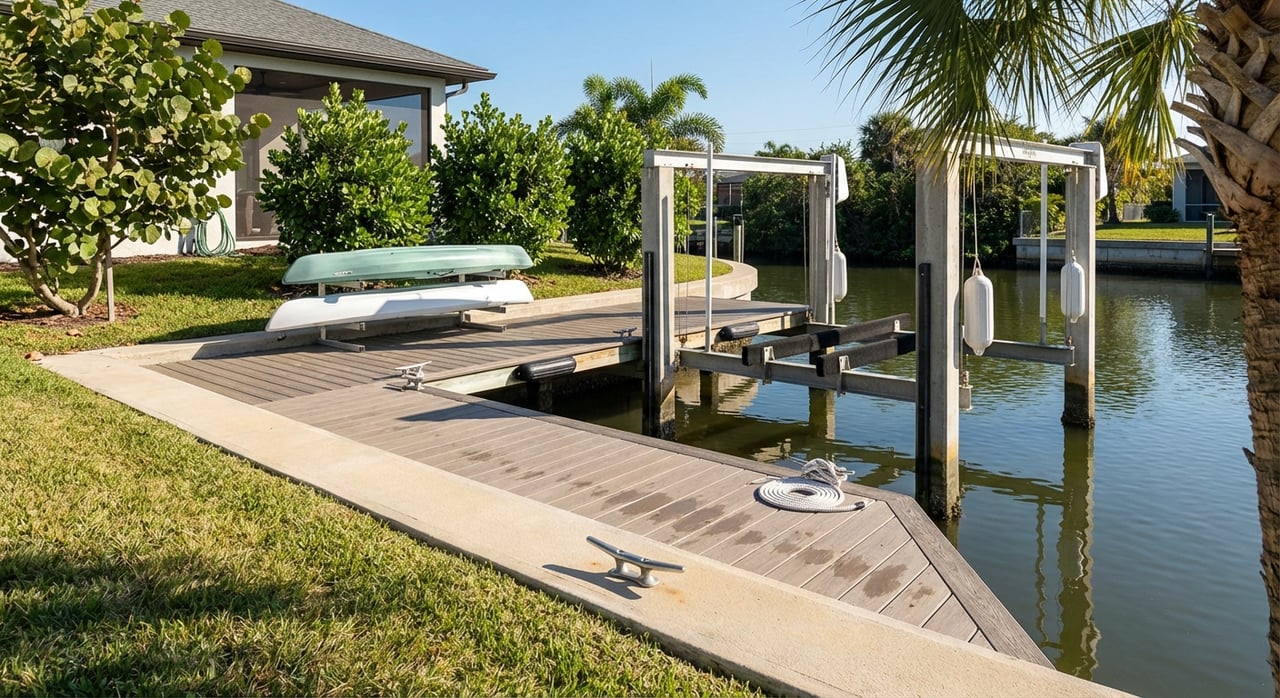
What if your backyard put you on Tampa Bay in minutes? In Apollo Beach, many canal-front homes do exactly that, offering a relaxed, boat-forward lifestyle with quick runs to open water. If you’re weighing a move here, you likely want clarity on boat sizes, depths, docks, and what to inspect before you buy. This guide breaks it down so you can picture your days on the water and plan a smart purchase. Let’s dive in.
What canal living looks like in Apollo Beach
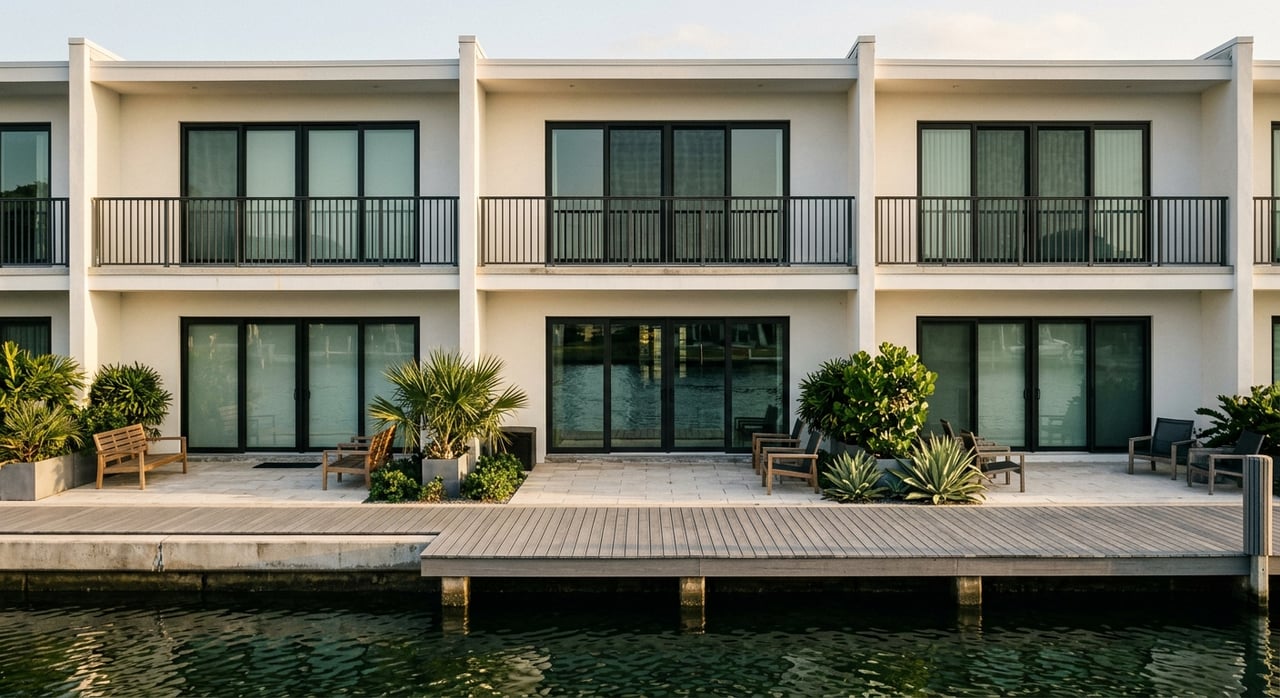
Apollo Beach sits on the south shore of Tampa Bay in Hillsborough County, with a web of residential canals that connect directly to the bay. Many homes feature private docks and lifts, which make quick evening cruises and early fishing runs part of daily life. Access varies by street and parcel, so think in terms of “your dock, your depth, your lift,” rather than a one-size-fits-all neighborhood rule.
You’ll also share the water with wildlife. The nearby TECO Manatee Viewing Center highlights a local manatee refuge near the Big Bend discharge canal, which shapes seasonal boating patterns and idle-speed zones. Learn more about manatees and the viewing area at the TECO Manatee Viewing Center.
Boating basics you should know
Typical boats you’ll see
Most canal-front owners favor small to midsize recreational boats. You’ll commonly see flats and bay boats in the 14 to 22 foot range, plus center consoles and dual-console family boats up to about 30 feet. Larger cruisers and yachts are usually kept in marina slips, especially when a home’s lift capacity or canal depth is the limiting factor.
Dock and lift essentials
Private docks in Apollo Beach often include lifts designed for small to midsize vessels. Many residential lifts are rated in the thousands of pounds, with common ranges around 9,000 to 16,000 pounds. The exact rating and platform size dictate what will fit. Always confirm the lift’s documented weight rating, beam clearance, and electrical condition before you bank on storing your boat at home.
Water depth, tides, and navigation
Depth is parcel-specific and tide-sensitive. Many residential canals report low-tide depths in a range that works for skiffs, bay boats, and many center consoles, while marinas and main channels are deeper. Plan outings with NOAA tide predictions and confirm actual dock depths referenced to a known datum, such as mean low water. Your target is safe under-keel clearance at low tide, not just on an average day.
Marinas and launch options
If your boat exceeds your lift or draft, local marinas fill the gap. Lands End Marina in Apollo Beach offers wet slips, high-and-dry storage, fuel, pump-out, and service, with approach and dock depths suitable for many midsize boats. For public launch options, Hillsborough County maintains ramps and park access. Review passes and locations through the county’s conservation parks and boat launch passes page.
Lifestyle on the canals
Daily flow and quick escapes
Canal living puts laid-back boating at your fingertips. You can step from your patio to your lift, take a sunset cruise, fish a nearby flat, or paddleboard in calm morning water. With direct bay access from many streets, short runs to sandbars, restaurants with docks, and open-water views become a regular rhythm.
Wildlife and responsible boating
Expect manatees and dolphins, plus a healthy inshore fishery. Estuarine habitats around Apollo Beach support common Tampa Bay species like red drum, spotted seatrout, snook, sheepshead, and mangrove snapper. Research highlights how local seagrass flats and mangroves function as key nursery grounds, supporting strong inshore action when conditions line up. For background on the ecological value of these habitats, explore this overview of estuaries as fish nurseries. During cooler months, manatees concentrate near Big Bend, so follow posted slow-speed and no-wake zones. You can also visit the TECO Manatee Viewing Center to see how conservation and recreation coexist here.
Social boating and waterfront stops
Seasonal sandbar meetups, sunset cruises, and dock-and-dine trips give Apollo Beach a social, on-the-water feel. Community marinas, waterfront restaurants, and nearby anchorages are easy runs from many canals. When you want more depth or services, Lands End Marina is a reliable base for storage, fuel, and maintenance.
What to verify before you buy
Permits and environmental due diligence
Waterfront improvements in Florida sit under state and federal rules. Docks, lifts, seawalls, and any maintenance dredging must comply with permitting frameworks like the U.S. Army Corps of Engineers’ State Programmatic General Permit. If seagrass is present under or near a proposed structure, agencies often require surveys and impact-minimizing design. Confirm prior work was properly permitted to avoid surprises. Review the USACE program details here: State Programmatic General Permit.
Seawalls, docks, and lifts
Seawalls and pilings are high-value, high-wear components. Ask for installation dates, repair records, and any engineering reports. A marine-structure inspection can flag hairline cracks, tie-back issues, corrosion, or electrical problems at the lift. If a listing advertises a recent seawall replacement or lift upgrade, verify the permits and invoices rather than assuming.
Flood risk and insurance
Check the property’s FEMA flood-zone designation early, since homes in Special Flood Hazard Areas typically require flood insurance. An Elevation Certificate, if available, helps you and potential underwriters price risk with more confidence. You can search official maps through the FEMA Flood Map Service Center.
Depth and access checklist
Depth and dock geometry determine what you can run from home. Confirm:
- Documented low-tide depth at the dock, referenced to a known datum.
- Dock length and terminal platform dimensions to fit your boat’s length and beam.
- Lift capacity relative to your boat’s fully loaded weight, not just dry weight.
- Safe approach and turning room in the canal for your hull and skill level.
HOA, slips, and community rules
Some neighborhoods have rules on boat size, visible storage, or docking time. Others offer private yacht club slips or community marinas with leasing options. Ask about availability, fees, and waitlists, and get any restrictions in writing so your boating plans match the property.
Storm prep and resilience
On the coast, preparation matters. Confirm storm protections like impact glass or shutters, lift tie-down hardware, and a clear action plan for wind and surge. Elevation and construction type influence both wind and flood insurance costs. Use the FEMA map portal for location-specific checks and speak with an insurance professional who understands Hillsborough County waterfront risk.
Quick buyer checklist
- Gather records: Elevation Certificate, dock and seawall permits, service histories.
- Hire specialists: a marine-structure inspector and a surveyor who will confirm low-tide depths relative to mean low water.
- Verify flood status on the FEMA Flood Map Service Center and discuss coverage with your insurance broker.
- Confirm permitting history and any open items under the USACE SPGP framework.
- Map your launch plan: home lift or slip, plus backup options like Lands End Marina and county boat launch passes. Check tides before every outing with NOAA predictions.
Working with a waterfront specialist
Buying a canal-front home is about more than open-water views. It is about matching your lifestyle and your boat to a specific dock, depth, and set of rules. As a boutique coastal brand, Costa Living pairs lifestyle-first guidance with certified waterfront know-how and builder-level insight. You get concierge coordination, clear answers on technical items, and a named partner from search to closing.
Whether you are relocating from out of state, upsizing for a bigger boat, or scouting a new-construction lot, we will help you verify the details that matter: dock geometry, lift capacity, depth at low tide, seawall condition, and flood implications. When you are ready to explore canal living in Apollo Beach, connect with Jo-Lee Mansfield to map your path on the water.
FAQs
Will an Apollo Beach canal home fit a 30-foot boat?
- It depends on the specific parcel. Verify lift rating, dock dimensions, turning room, and documented low-tide depth. Larger boats often use marina slips if a home dock is tight.
Where can you launch a boat near Apollo Beach?
- Many residents launch from home. For public options, review Hillsborough County’s conservation parks and boat launch passes and consider local marinas for larger vessels.
How do tides affect canal boating in Apollo Beach?
- Tides change under-keel clearance, especially at low water. Plan routes and timing with NOAA tide predictions and confirm your dock’s depth at low tide.
What wildlife will you see in the canals?
- Manatees and dolphins are common. Cooler months bring more manatees near Big Bend, highlighted by the TECO Manatee Viewing Center. Inshore fishing targets include red drum, seatrout, snook, and more, supported by productive estuarine habitats.
What permits apply to docks and lifts at a single-family home?
- Docks, lifts, and seawalls fall under federal and state rules. Review the U.S. Army Corps of Engineers’ State Programmatic General Permit and confirm any prior or planned work had proper approvals.