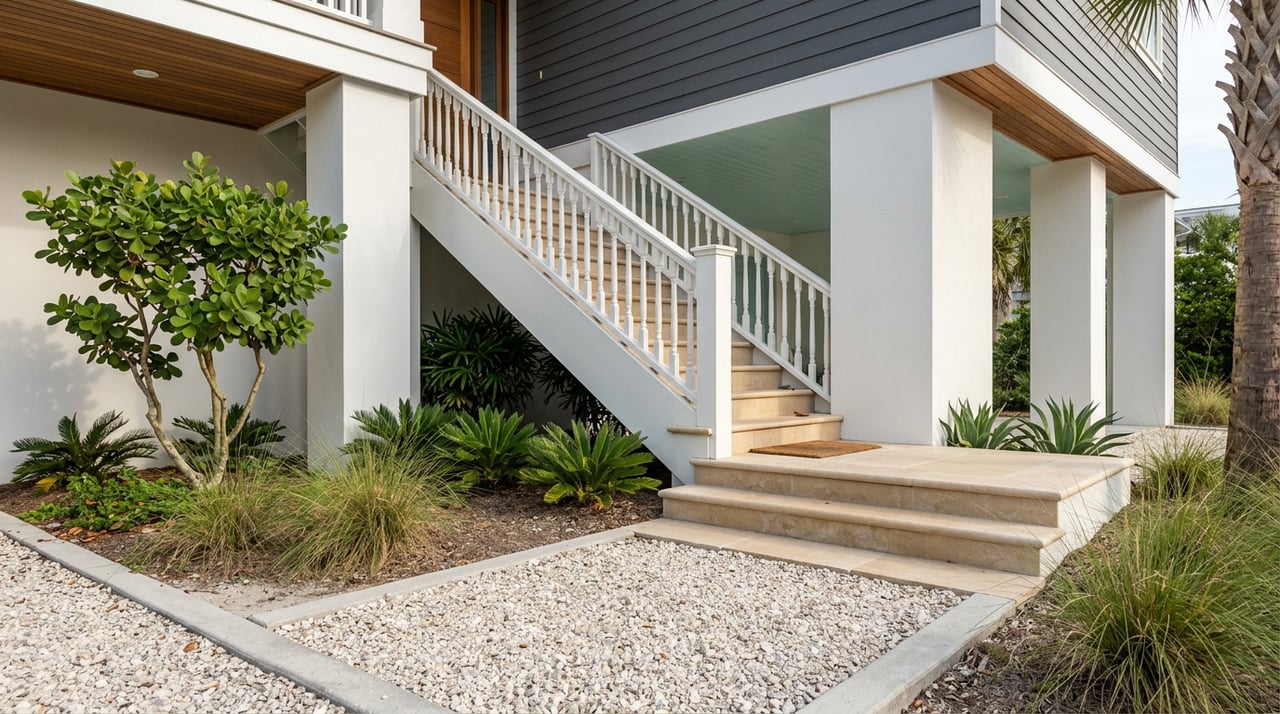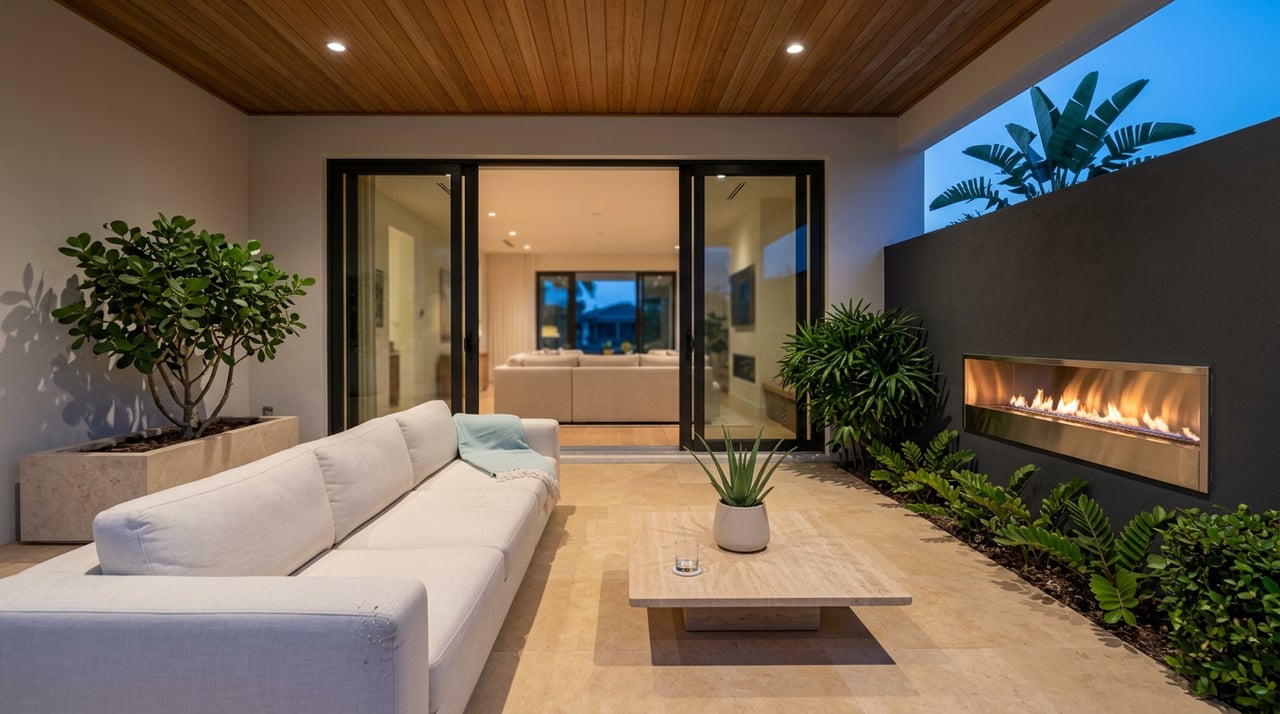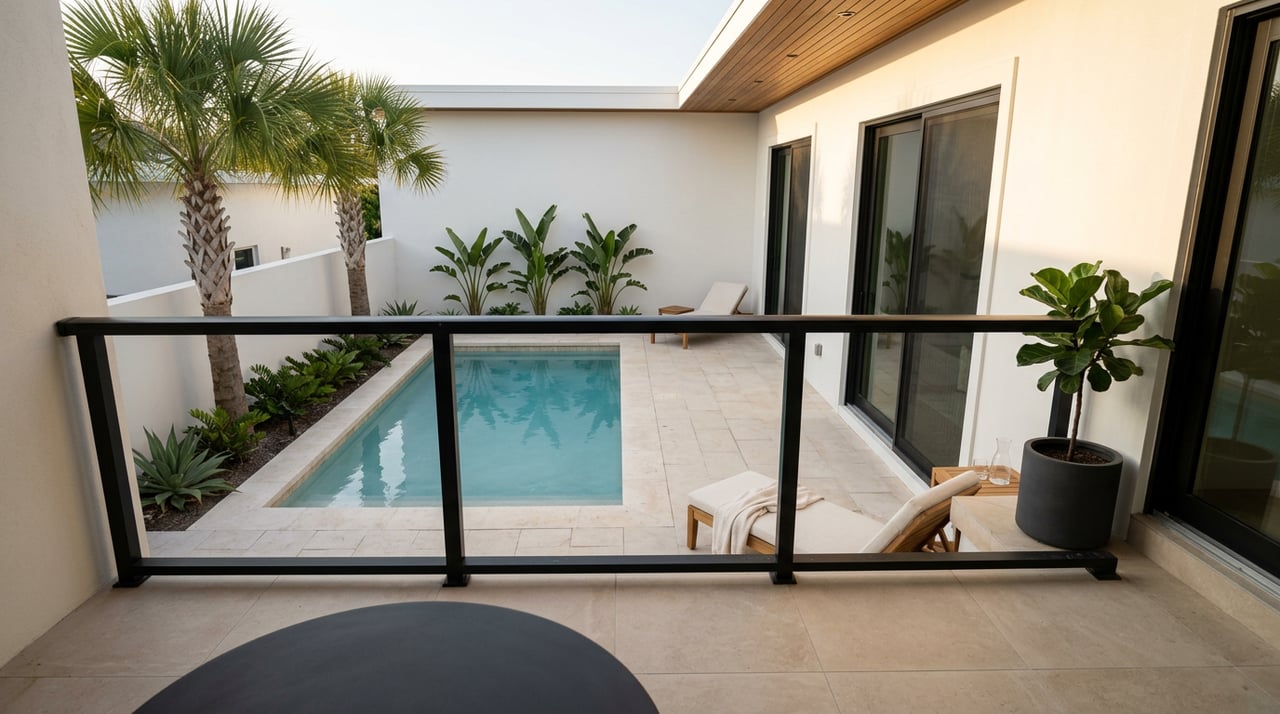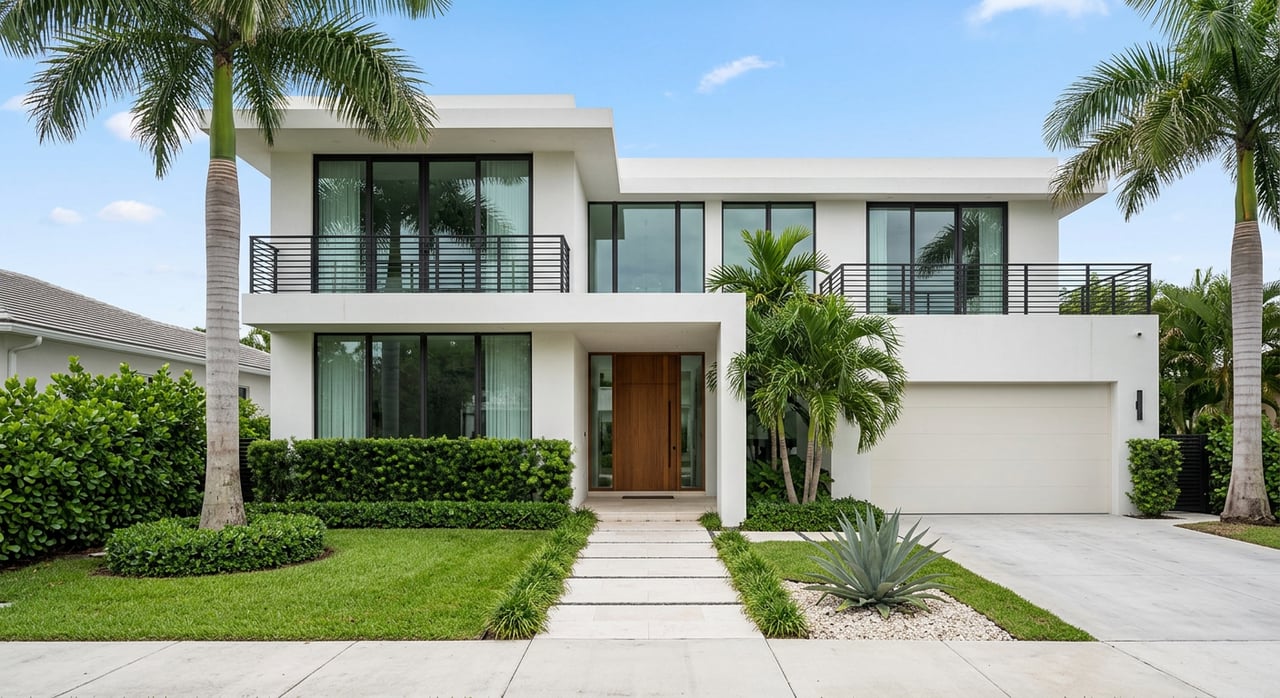
You want Gulf-side sunsets, boat days, and a community that fits how you live. The challenge is choosing among dozens of distinct towns that all look great online. The right approach is simple: let your lifestyle lead the search, then layer in risk and ownership costs. This guide gives you clear filters, local examples, and practical questions to ask so you can feel confident about your short list. Let’s dive in.
Choose by lifestyle filters
Boating access
If your weekends revolve around the water, start with boat logistics. Look for deep-water access, channel depth at low tide, and realistic travel time from your dock or marina to the Gulf. Proximity to full-service marinas can save time and reduce maintenance stress.
- Signals to check:
- Travel time from property or marina to the Gulf inlet at mean low tide.
- Marina slip capacity, dry-stack options, and waiting lists.
- Dredging history for nearby channels and who pays for it.
- Protected harbors for storm planning and seasonal haul-out.
- Where to verify: marina operators, county marine services, and regional directories. For example, Southwest Florida has many full-service facilities listed in regional marina directories; review options using trusted listings such as the broader overview of Southwest Florida marinas.
- Ask your agent:
- “What is travel time and depth from this dock to the Gulf at mean low?”
- “Are nearby marina slips transferable, and how long are the wait lists?”
- “Has the channel been dredged recently and who funds maintenance?”
Beach access and beach character
Barrier islands offer immediate sand and surf with limited new construction. Mainland neighborhoods often rely on parks and deeded paths. Consider how you like to use the beach, how you will get there, and where you will park.
- Signals to check:
- Is access private, deeded, or public; how many minutes on foot.
- Parking availability and seasonal crowding near the nearest access.
- Dune setbacks and coastal construction rules that affect modifications.
- Where to verify: city and county beach pages outline access, parking, and amenities. In Collier County, you can scan public beach access patterns at regional guides that cite parks like Clam Pass and Lowdermilk; use resources such as this Collier County overview for orientation.
- Ask your agent:
- “How far is the nearest public access and does it have year-round parking?”
- “Are there setback or dune-protection rules that limit future changes?”
Walkability and downtown access
If you want to walk to dinner or a show, focus on downtown cores. Places like downtown St. Petersburg and downtown Sarasota offer far more year-round dining and culture within a short walk compared to most suburban areas.
- Signals to check:
- Walk Score and proximity to grocery, pharmacy, and parks.
- Mixed-use districts that stay active year-round.
- Access to waterfront parks and trails. For example, St. Petersburg’s park network earns strong marks for access and equity according to local reporting on St. Pete’s park system.
- Ask your agent:
- “Show me Walk Score plus the closest grocery, pharmacy, and transit.”
- “Which neighborhoods have true mixed-use streets that stay open all year?”
New-construction choices
New-build options are concentrated inland and in master-planned communities. You will find more model homes, clearer timelines, and predictable amenities off the barrier islands.
- Signals to check:
- Active builder inventory and spec availability by neighborhood.
- Amenity plans, HOA fees, and build standards that affect cost and timing.
- Elevation and storm-resiliency requirements.
- Where to verify: community-builder pages and local permitting dashboards. For example, large master plans such as Lakewood Ranch regularly showcase available models and neighborhood phases.
- Ask your agent:
- “Which active builder communities have inventory now and what are timelines?”
- “What elevation and wind standards add to cost or time?”
Pace of life and seasonality
Tourist-heavy beach towns feel lively in peak season. Smaller harbor towns and inland master-planned communities often run quieter.
- Signals to check:
- Visitor patterns and traffic changes between December and April.
- Short-term rental prevalence and local rules.
- Restaurant hours and parking availability in winter vs summer.
- Ask your agent:
- “How does traffic and noise shift between high and low season?”
- “What are the local rules on short-term rentals or HOA restrictions?”
Market context you should know
Florida’s housing picture varies by submarket. Statewide data show Florida’s median sale price has recently been above the national median, while local reports point to inventory increases in some submarkets and ongoing competition in desirable cores. For a high-level view, see the latest summary from Florida Realtors. Your agent can provide hyper-local numbers for each neighborhood you are considering.
Community snapshots by lifestyle fit
Use these quick reads to align your goals with on-the-ground character. Prices and inventories change month to month, so treat this as a lifestyle guide first.
St. Petersburg
Walkable urban core with arts, waterfront parks, and marinas on Tampa Bay. Expect vibrant dining and culture within a few blocks in downtown zones plus several marina options for weekend boaters. Local reporting highlights strong park access citywide; see this overview of St. Pete’s park access.
Sarasota and Siesta Key
Downtown Sarasota offers culture, dining, and a compact walkable grid. Siesta Key delivers world-class sand with limited new-build options on the island. You will find recreational boating via Marina Jack and nearby facilities, with most new construction inland.
Naples and Marco Island
Upscale coastal living with full-service marinas, yacht clubs, and long Gulf beaches. Barrier-island estates and beachfront condos carry premium pricing and limited new lots. Get a feel for marina infrastructure through regional directories like this roundup of Southwest Florida marinas.
Fort Myers and Cape Coral
Cape Coral’s extensive canal network appeals to boaters who want private docks and easier access to new construction on the mainland. Fort Myers offers a growing downtown and riverfront access. Many buyers compare dock travel time and bridge clearance carefully here.
Sanibel and Captiva Islands
Low-density, conservation-forward island living with strict land-use controls and limited redevelopment. Expect constrained supply and premium pricing for walk-to-beach locations. For a sense of the conservation ethos and community priorities, review the Sanibel-Captiva Conservation Foundation’s work, such as this SCCF profile.
Wellen Park and nearby master plans
If you want new construction and planned amenities near the coast, large master-planned communities are a strong fit. Walkability is focused around town centers, with beaches a short drive away. For a sense of scale and supply in master-planned settings, browse a community like Lakewood Ranch.
Destin and the Emerald Coast
A lively Panhandle scene with heavy tourism, strong marina infrastructure, and a celebrated fishing culture. Expect seasonal traffic and a vibrant hospitality core near the harbor.
Punta Gorda and Port Charlotte
Quieter harbor and canal communities with a slower pace. Popular among boaters seeking dockage and value compared to larger, more touristy markets to the south.
Anna Maria Island, Longboat Key, and Venice
Barrier islands with walkable pockets, close-knit island streets, and seasonal visitor patterns. New construction is limited on-island; buyers often balance island living with mainland convenience.
Ownership costs and risk checks
A smart choice on the Gulf Coast includes a clear plan for insurance, storm risk, and long-term maintenance. Tackle these items early.
Flood and insurance
FEMA’s Risk Rating 2.0 calculates flood premiums using property-specific risk, including distance to water, elevation, foundation type, and replacement cost. Many coastal properties saw premium changes under this system.
- What to do now:
- Get an address-level NFIP quote plus a private-flood quote before making final offers. Start with FEMA’s overview of Risk Rating 2.0 to understand how pricing works.
- Pull official flood maps at the FEMA Flood Map Service Center and collect elevation data early.
- Use NOAA’s Sea Level Rise Viewer for long-term scenario planning.
Wind exposure and mitigation
Roof age and wind-mitigation features can change homeowners insurance costs. Ask for a wind-mitigation inspection, roof details, and past claims during due diligence. Storm-rated openings, roof-to-wall connections, and secondary water barriers can matter.
Environmental and boating protections
Local no-wake and manatee protection zones can shape where and how you operate a vessel. Review Florida Fish and Wildlife’s rules for protected areas and ask about seasonal restrictions near your target home. Start with the FWC’s page on manatee protected areas.
Zoning and building restrictions
Barrier islands often have stricter setbacks and height limits. If you plan to build or renovate, request the relevant land development codes and review any recent council actions. Sanibel and Captiva are known for conservation priorities; community conservation work like the SCCF overview provides helpful context as you evaluate feasibility.
Docks, lifts, and seawalls
Waterfront infrastructure has real carrying costs. Confirm seawall condition, dock permits, lift capacity, and canal maintenance programs during inspections and title review. If you plan to keep a larger boat, verify route depth, bridge clearance, and marina alternatives nearby using regional marina directories such as this Southwest Florida marina roundup.
How we help you choose with confidence
You deserve a short list built around how you live. At Costa Living, you work directly with a founder-led team that blends certified waterfront knowledge with builder and new-construction experience. We help you compare boating routes, beach access, walkability, and master-planned options, then pressure-test the numbers with address-level flood quotes, elevation data, and insurance guidance.
- What you can expect:
- Boutique, concierge service from search to close.
- Technical support on docks, seawalls, flood maps, and wind-mitigation basics.
- New-build expertise, model tours, and coordination with reputable builders.
- Streamlined support for out-of-state buyers, including virtual tours and vendor coordination.
Ready to narrow your Gulf Coast short list around your lifestyle and risk profile? Connect with Jo-Lee Mansfield to plan a focused tour and make a confident move.
FAQs
What is the best Florida Gulf Coast town for boaters?
- Look for deep-water routes, minimal fixed bridges, and reliable marinas; many buyers compare areas like Cape Coral’s canal network, Naples Bay access, and Tampa Bay marinas based on travel time to the Gulf and slip availability.
How do I evaluate flood and insurance costs on a Gulf Coast home?
- Get address-level NFIP and private-flood quotes early, check official maps at FEMA’s Flood Map Service Center, pull elevation data, and review wind-mitigation features that can affect homeowners insurance.
Where can I find new construction near Gulf beaches?
- Expect the most inventory in master-planned communities on the mainland; compare town-center walkability and drive times to beaches with builder timelines, HOA fees, and elevation standards.
How walkable are Gulf Coast downtowns compared to suburbs?
- Downtown cores like St. Petersburg and Sarasota are far more walkable for daily errands and dining, while most suburban neighborhoods are car-oriented with smaller mixed-use pockets.
What seasonality should I expect in popular beach towns?
- Tourist hubs see heavier traffic and parking demand from December through April; inland master plans and smaller harbor towns tend to feel calmer in peak season.
What should I ask about docks and seawalls before buying waterfront?
- Confirm seawall condition, dock permits and load rating, lift capacity, route depth at low tide, bridge clearances, and who funds canal or channel maintenance.
How can a local concierge agent help if I am out of state?
- A boutique team can pre-screen neighborhoods by lifestyle fit, arrange virtual tours, coordinate inspections and insurance quotes, and manage closing details so you can move with confidence.