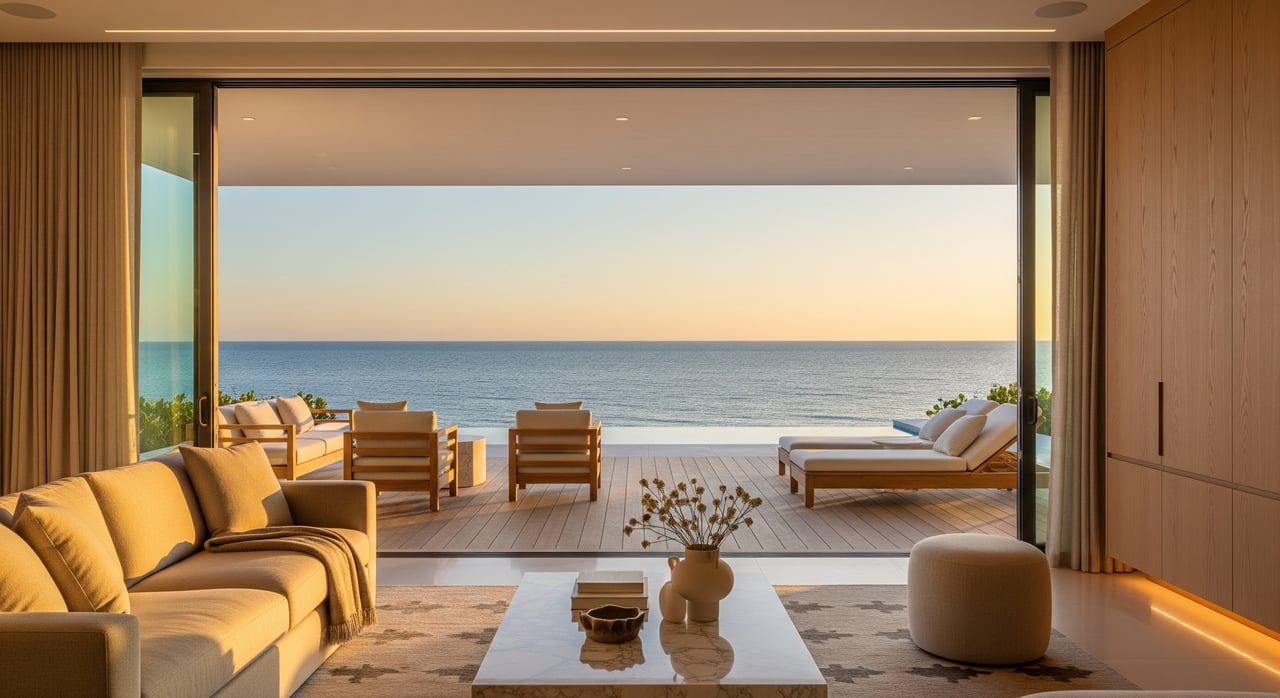
Ever wonder what life feels like when the elevator opens to your private foyer and the shoreline is your backyard? If you are drawn to beach mornings, resort‑style amenities, and a low‑maintenance routine, luxury condo living on Florida’s Gulf Coast could be a natural fit. You may also want clarity on HOA fees, insurance, building safety, and what to look for before you buy. This guide walks you through everyday living, the amenities you can expect, and the practical details that matter so you can move forward with confidence. Let’s dive in.
What luxury Gulf Coast living feels like
Luxury condo life centers on ease. Building teams handle landscaping, common‑area cleaning, exterior maintenance, and trash service, so you focus on your space and your day. Many residents enjoy the “lock and leave” model, with on‑site management, security, and concierge support that make travel simple.
A day in the life
Mornings often start with a workout class or a quiet coffee on a wide balcony. Days flow between the pool, spa, or a walk on the beach. Evenings bring dinners with friends in resident dining rooms or at nearby waterfront spots. Seasonal festivals and arts events add rhythm to the calendar.
Lock and leave confidence
With 24/7 concierge or door staff, package management, and secure access, you can leave for weeks without worry. Many buildings offer valet or covered parking, in‑unit maintenance support, and housekeeping options for a smooth return.
Outdoor lifestyle on your doorstep
You have quick access to beaches, waterfront promenades for walking or jogging, and a boating culture that is part of daily life. Some buildings include marina slips. Others coordinate with nearby marinas. Availability, fees, and slip transfer rules can vary by building.
Amenities that elevate your routine
Amenities are a major reason buyers choose luxury condos on the Gulf Coast. Expect spaces and services that make every day feel like a resort stay.
Private spaces with a view
High ceilings, floor‑to‑ceiling or panoramic windows, and oversized balconies are common. Many residences include impact‑rated hurricane glass and private or controlled elevator access for both security and privacy.
Resort‑style shared spaces
You often find heated pools and lap pools, full‑service spas, and well‑equipped fitness centers with classes. Buildings may add pickleball or tennis courts, owners’ clubs and lounges, private dining rooms, and secure storage for bicycles and paddlecraft. Some communities also include on‑site restaurants or cafes, plus EV charging.
Boating and beach access
Direct beach access or membership in a beach club is common in resort and island settings. For boaters, in‑building slips are premium. Nearby municipal or private marinas are strong alternatives. Ask about slip length and beam limits, hurricane tie‑up plans, transient dock access, mooring fields, waiting lists, and separate fees if you plan to keep a boat.
Picking your ideal setting along the coast
Florida’s Gulf Coast offers a range of lifestyles, from vibrant downtown waterfronts to serene island communities. Your daily routine will depend on the location you choose.
Urban waterfronts
Downtown Sarasota, St. Petersburg, and parts of Tampa Bay deliver higher walkability and access to restaurants, galleries, theaters, grocery stores, and healthcare. Expect mixed‑use streetscapes and a lively atmosphere.
Resort and island living
Naples, Marco Island, and Sanibel or Captiva lean into a calmer, resort‑style pace with a strong focus on private beach experiences and nature. You may drive a bit more for certain errands, but you gain a quieter setting.
Emerging districts
Some waterfront areas are experiencing new development with boutique towers and upgraded amenities. These can offer fresh design and modern systems near redevelopment corridors.
Walkability and errands
Walkability varies block by block. Downtown cores tend to offer the shortest strolls to dining and services. Barrier islands and certain resort areas may require a quick drive for full grocery trips or medical appointments. Consider actual distances to grocery, pharmacy, urgent care, and restaurants for your short list of buildings.
HOA, fees, and what you really pay
Condominium associations manage staffing, building systems, amenities, and insurance for common elements. Monthly fees in luxury buildings are higher than in many single‑family communities because they fund pools, elevators, security, climate‑controlled parking, and professional management.
What fees often include
Common fees usually cover exterior and common‑area maintenance, landscaping, elevator upkeep, utilities for shared spaces, hazard insurance for the building shell under a master policy, security, and staffing. Items that are often separate include your interior insurance policy, water or sewer if units are submetered, cable and internet in some buildings, marina slip fees, and any special amenity or capital improvement fees.
Reserves and special assessments
Healthy reserve funds reduce the chance of large, surprise costs. Ask for the most recent reserve study, audited financials, and at least two years of meeting minutes. This helps you see planned repairs, any history of assessments, and current projects under discussion.
Insurance basics to understand
There are two layers of coverage. The association’s master policy covers the structure and common elements. Your HO‑6 policy covers the interior of your unit, personal property, and liability. Many Gulf Coast condos sit in areas that carry flood risk. Lenders usually require flood insurance if a property is in a designated flood zone. Wind and hurricane exposure affects premiums, and buildings with impact glass or other mitigation features may qualify for discounts. Given Florida’s insurance market pressures, verify current master policy costs and HO‑6 premiums during due diligence.
Safety, inspections, and climate realities
Safety and building transparency are front and center for Gulf Coast condo buyers. Reviewing the right documents protects your investment.
Florida condo inspections since 2021
After the Surfside tragedy, Florida increased oversight and inspection requirements for condominiums. The state’s condominium division helps oversee compliance. Ask for the building’s recent structural inspection history, completed repairs, and any planned projects so you understand the near‑term and long‑term outlook.
Flood, storms, and long‑term planning
Gulf Coast properties face risks from sea level rise, storm surge, and hurricanes. Elevation, dune systems, seawalls, and the building’s design all shape flood exposure. Consider elevation certificates, flood maps, and recent mitigation upgrades if you plan to hold the property for many years. Treat climate as a planning factor. It does not have to be a dealbreaker when risks are understood and managed.
Marina and dock rules
If boating is a must, remember that private docks and marinas are subject to county and state permits. Environmental protections can affect what is allowed. Ask for current rules, fees, and any hurricane haul‑out or tie‑down procedures.
Buying smart: your early‑stage checklist
Use this checklist as you build a short list and prepare for tours. Request documents early so you can review details before you fall in love with a view.
- Association documents: declaration, bylaws, house rules, and amendments.
- Financials: current budget, audited statements, and the latest reserve study.
- Board minutes: 12 to 24 months to spot issues, assessments, or litigation.
- Insurance: master policy certificate, coverage type, and deductibles; ask about any fidelity bonds.
- Assessments: current or planned special assessments, legal actions, or liens.
- Rentals and pets: short‑term rental rules, owner‑occupancy levels, pet policies and size limits.
- Building condition: recent structural inspections, major repair history for roofs, balconies, parking structures, and facade work.
- Elevators: maintenance records and any modernization plans.
- Hurricane readiness: shutters or impact glass, generator capacity for common systems.
- Water intrusion: any past mold or water damage claims.
- Unit specifics: elevation certificate, HVAC and plumbing updates, storage and assigned parking details.
- Boating: slip ownership vs lease, monthly fees, transfer rules, and hurricane plans.
- Operations: trash handling and valet process, housekeeping vendors, on‑call maintenance response times, and how staffing costs are allocated.
- Lifestyle checks: noise at different times, seasonal traffic, sun exposure and privacy, and access routes during peak season.
Is luxury condo life right for you?
You may love luxury condo living if you want resort‑style amenities, strong services, and minimal exterior maintenance. It can also be a great fit if you value social opportunities and easy proximity to beaches, culture, and marinas. If you prefer a private yard, complete control over exterior design, or you are highly sensitive to HOA fees and coastal risk, a single‑family home might suit you better.
Seasonality, access, and everyday logistics
Many Gulf Coast buildings run busier in winter months. This can increase elevator wait times, parking usage, and the social calendar. Property management typically scales staffing to match occupancy.
Air travel is straightforward with multiple regional airports. Tampa International, Sarasota‑Bradenton, Southwest Florida International, and Punta Gorda provide options that are convenient for seasonal residents and visitors. Access to major hospitals and specialists is a top priority for many buyers. Upscale groceries, farmers’ markets, and fresh seafood vendors add to the daily lifestyle.
How Costa Living helps you buy with confidence
Buying a luxury Gulf Coast condo involves lifestyle choices and technical review. You deserve a partner who can blend both. Costa Living brings certified waterfront expertise for docks and flood considerations, plus builder and new‑construction experience for evaluating systems and finishes. Our boutique, founder‑led model means you get concierge coordination, transparent communication, and a single point of accountability from first tour to closing.
We guide you through document review, connect you with trusted inspectors and insurance pros, and align the community’s daily rhythm with your goals. If you are relocating or purchasing remotely, we provide virtual tours and handle on‑the‑ground details so your process stays smooth and stress‑free.
Ready to explore luxury condo living on the Florida Gulf Coast with a team that treats your lifestyle as the priority? Connect with Jo‑Lee Mansfield to schedule a free consultation.
FAQs
What makes Gulf Coast luxury condos different from other condos?
- They emphasize resort‑style amenities, concierge services, boating and beach access, and security that supports a low‑maintenance, lock‑and‑leave lifestyle.
What do HOA fees usually cover in luxury buildings?
- Common‑area upkeep, landscaping, elevators, security, staffing, and the master insurance policy, while items like HO‑6 insurance, cable, internet, or marina fees are often separate.
How do I evaluate a building’s financial health before buying?
- Review audited financials, the current budget, the latest reserve study, and 12 to 24 months of board minutes to identify upcoming projects and any assessment risk.
What insurance do I need as a condo owner on the Gulf Coast?
- The association carries a master policy for the structure, and you typically carry an HO‑6 policy for interior finishes, personal property, and liability, plus flood coverage where required.
How should I think about flood and hurricane risk when buying?
- Consider elevation, building mitigation features like impact glass, the property’s flood maps and elevation certificate, and any recent storm or water‑intrusion history.
Can I keep a boat if my building does not have slips?
- Yes, many buyers lease slips at nearby municipal or private marinas; ask about waitlists, size limits, fees, and hurricane tie‑up or haul‑out procedures.
Are short‑term rentals allowed in luxury Gulf Coast condos?
- Policies vary by association and local ordinance, so confirm rental rules, minimum stay requirements, and owner‑occupancy levels before you buy.
What should I expect during peak season in these communities?
- Higher occupancy can mean fuller parking areas, longer elevator waits, and a more active social calendar, with property management adjusting staffing accordingly.