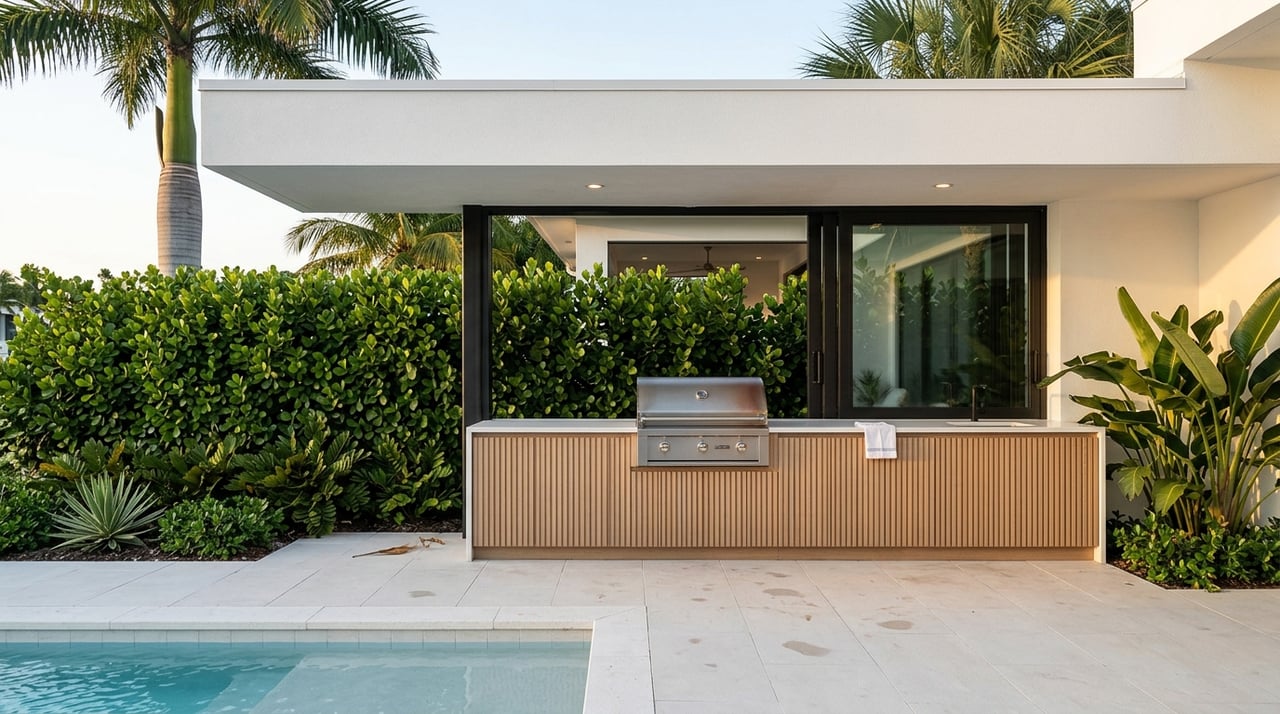
Selling a Bradenton waterfront home is rarely as simple as putting a sign in the yard and waiting for the right buyer. You are not just selling a house. You are selling water access, views, outdoor living, and a property that may come with docks, seawalls, flood questions, and permit history. If you want a smoother sale and fewer surprises, it helps to understand the process from the very first call through recording at closing. Let’s dive in.
Why waterfront selling is different
In today’s Manatee County market, strategy matters. Realtor.com’s Manatee County housing data shows a market that is closer to balanced than heavily tilted toward sellers, with a 96% sale-to-list ratio and median days on market in the 70s. Bradenton-specific figures point in a similar direction, which means pricing, presentation, and preparation all carry real weight.
For a waterfront home, buyers are also evaluating factors beyond square footage and finishes. They may look closely at the dock, seawall, water access, flood exposure, elevation details, and whether past work was properly permitted. Manatee County guidance on waterfront structures makes clear that docks, seawalls, and similar improvements are regulated and often require permits before they are built, expanded, or reconstructed.
First call: what to discuss early
Your first conversation with a waterfront listing agent should go beyond timing and price. It should cover what makes your property different, what paperwork is available, and whether there are any known issues that could affect the sale.
This is also the time to talk through your goals. You may want a quick sale, strong terms, privacy during showings, or a timeline that lines up with a relocation or second-home purchase. A clear plan early on helps shape pricing, prep, marketing, and negotiation strategy.
Gather documents before listing
A well-documented waterfront home tends to inspire more confidence. The most helpful records usually include:
- A current survey
- Elevation certificate, if one exists
- Flood zone information
- Evacuation level information
- Dock or seawall permit history
- Repair receipts and contractor invoices
- Records tied to any flood-related claims or assistance
Manatee County’s flood zone information resources note that a current survey may show the flood zone, and property owners can request written flood information determinations and copies of elevation certificates when available. Having these documents ready before you list can reduce delays later when buyers, lenders, inspectors, or title professionals start asking questions.
Understand flood disclosures upfront
Flood information is no longer something to sort out at the last minute. Under Florida Statutes 689.302, residential sellers must provide a flood disclosure at or before contract execution.
That disclosure asks whether the seller has filed flood insurance claims or received federal flood assistance. It also reminds buyers that standard homeowners insurance does not cover flood damage. For a Bradenton waterfront sale, that makes flood history part of your listing preparation, not just your closing checklist.
Address known issues before buyers find them
Florida sellers also need to think carefully about known material issues that are not easy to see. As discussed in The Florida Bar’s explanation of seller disclosure law, known latent defects that materially affect value and are not readily observable should be disclosed.
For a waterfront property, that can include things like recurring water intrusion, known shoreline settlement, prior structural concerns, or mechanical issues that are not obvious during a quick showing. It is usually far better to surface these items early and handle them clearly than to have them derail a deal during inspection.
Prep the home buyers will remember
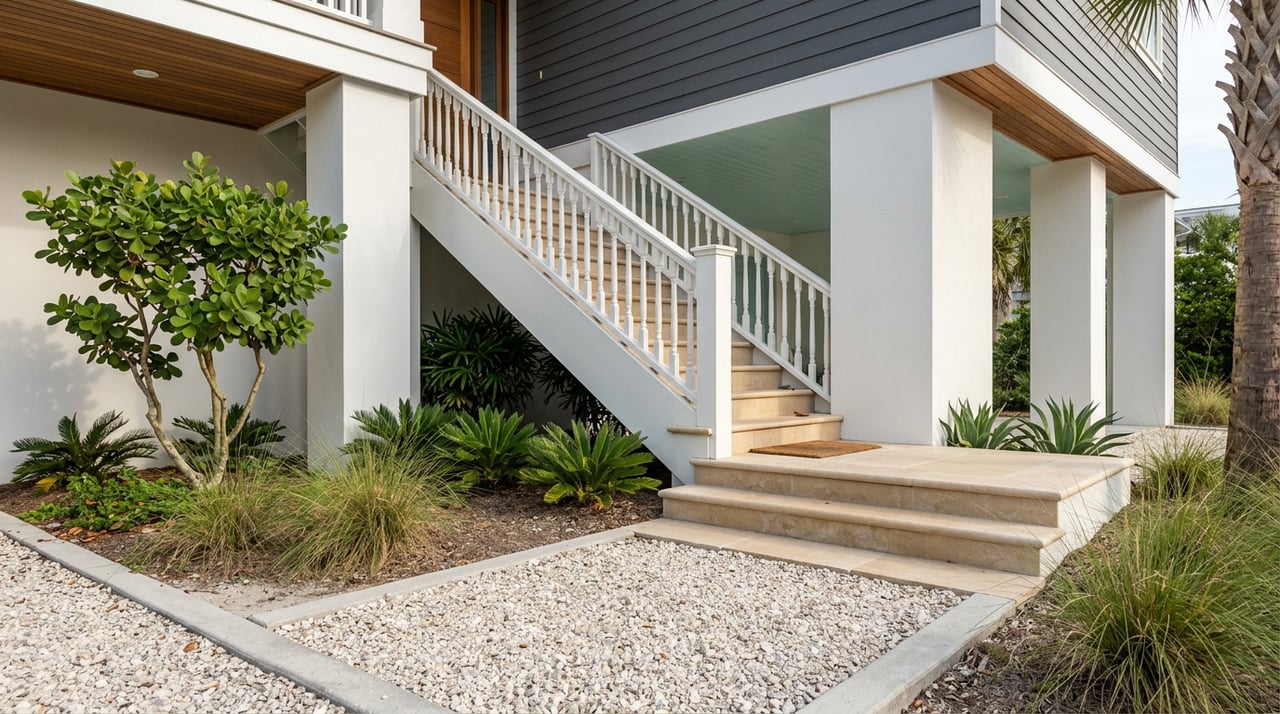
Waterfront buyers tend to notice the same things first: the view, the outdoor spaces, the waterfront access, and how the home feels the moment they walk in. That means your prep should focus on the parts of the property that support the lifestyle buyers are shopping for.
According to the National Association of Realtors 2025 staging report, 29% of agents said staging increased the dollar value offered by 1% to 10%, and 49% said staging reduced time on market. The most common recommendations were decluttering, cleaning, and improving curb appeal.
For a Bradenton waterfront home, that often means:
- Simplifying décor in water-facing rooms
- Cleaning windows and glass doors
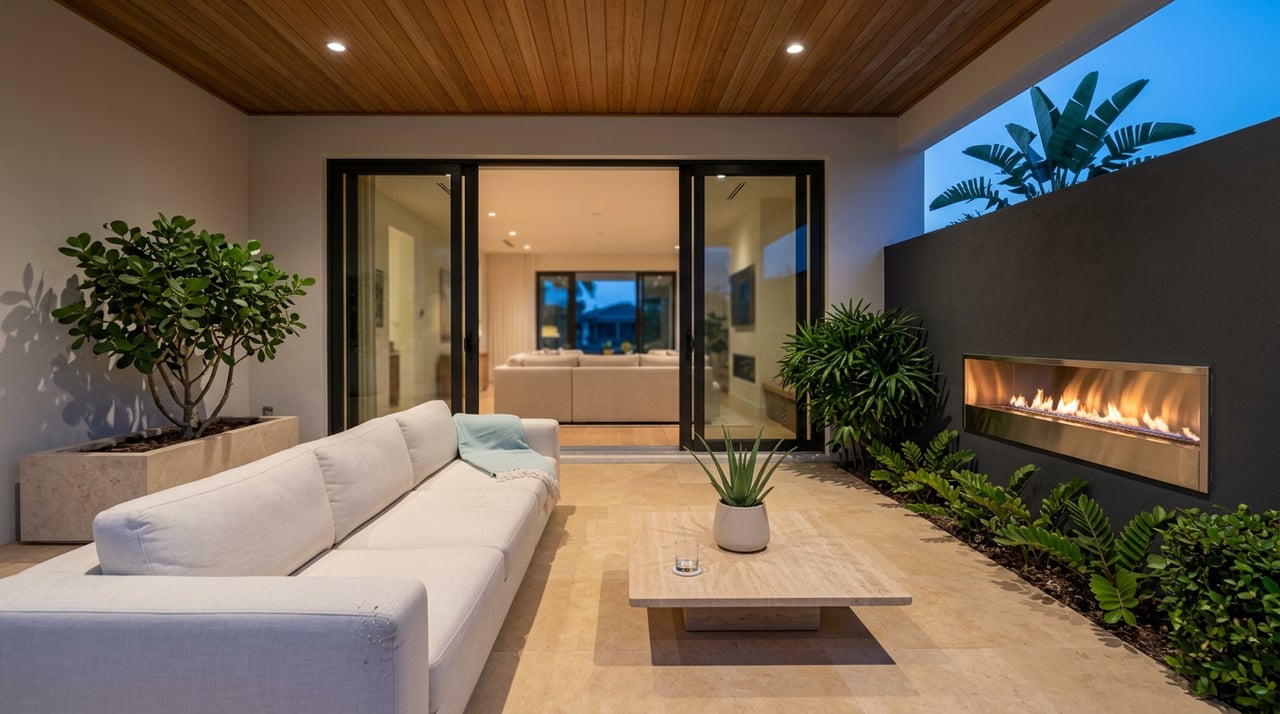
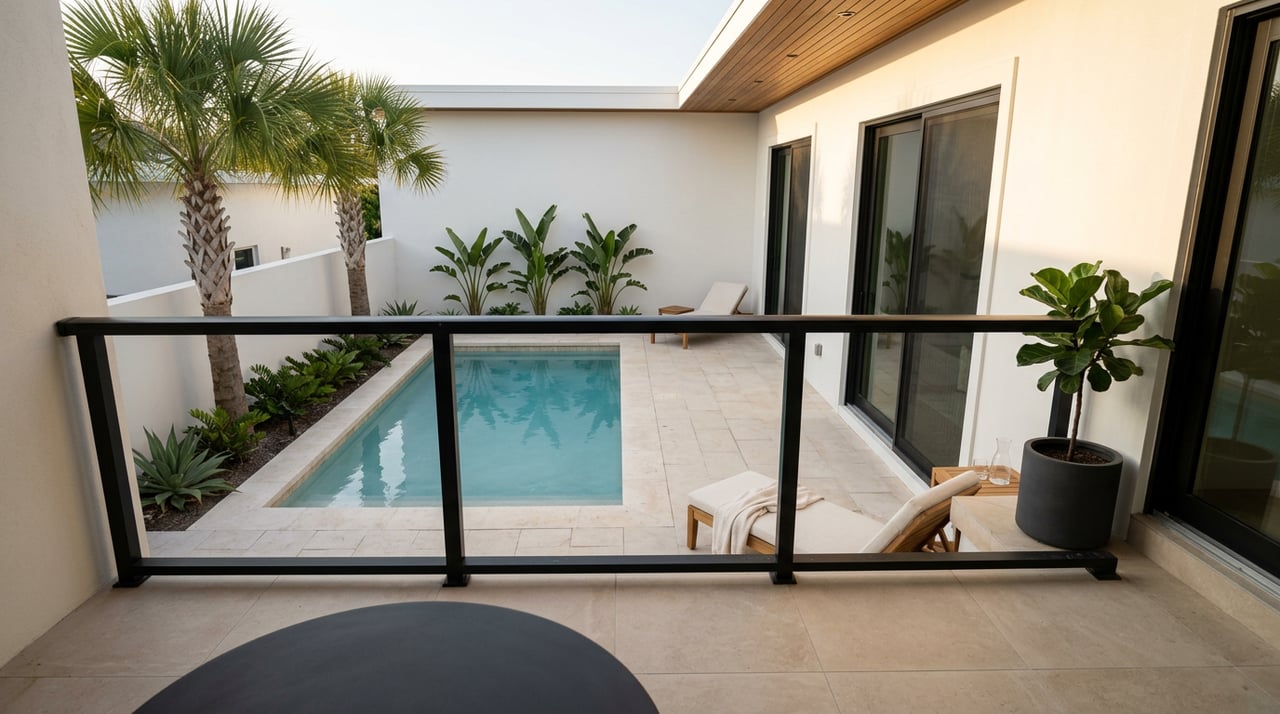
- Refreshing lanais, patios, and pool areas
- Organizing dock areas and exterior storage
- Making sure seawall-adjacent areas look tidy and safe
- Keeping sight lines open to the water
Plan around floodplain and repair rules
If your home has had recent storm damage or major repairs, listing prep may need extra care. Manatee County floodplain guidance notes that substantial damage or substantial improvement can trigger added compliance requirements.
The county also explains that alterations to buildings, grade changes, and fill work in the floodplain may require permits. If repairs were made recently, it is smart to confirm what was done, whether permits were required, and whether supporting documentation is available before the home hits the market.
Price for today’s market
Pricing a waterfront home is part art and part documentation. You need to look at current local conditions, but you also need to account for waterfront variables like boating access, dock utility, lot orientation, outdoor living, and the condition of shoreline improvements.
Because current market data suggests a more balanced environment in Manatee County, overpricing can be costly. Buyers have options, and homes that sit too long may lose momentum. A strong pricing strategy should reflect both the broader market and the specific waterfront features that truly set your property apart.
Create marketing that tells the waterfront story
Your online presentation matters because many buyers will see your home digitally before they ever step inside. NAR’s consumer guide to home selling notes that photos and video are now central to how properties are marketed and discovered.
For a Bradenton waterfront listing, your visual strategy should highlight the features that inland homes cannot offer. That may include:
- Water views from main living spaces
- Outdoor entertaining areas
- Pool and lanai spaces
- Dock or lift features
- Seawall and shoreline presentation
- Direct-water access points
The goal is not to oversell. It is to help buyers quickly understand the property’s lifestyle value and technical strengths with clear, polished, accurate marketing.
Manage showings with privacy in mind
Showings for waterfront homes can bring extra attention to outdoor features and equipment. That is one reason access and privacy planning matters.
NAR recommends securing valuables, stowing personal items, discouraging unapproved photography, and using an electronic lockbox. This is especially helpful when your property includes marine equipment, storage areas, or waterfront amenities that buyers and vendors may want to inspect more closely.
Navigate offers and negotiations
Once offers come in, waterfront sales often turn on more than just price. Buyers may ask questions about flood insurance, permit history, seawall condition, prior repairs, or whether certain dock or lift features are included.
A clean document package can make these conversations easier. When buyers understand the property better upfront, you may reduce uncertainty and lower the chances of surprise objections later.
What happens after contract
After an offer is accepted, the transaction shifts into inspections, financing, insurance, title work, and final coordination. The Consumer Financial Protection Bureau’s closing overview explains that this is when the buyer typically submits lender documents, schedules inspections, shops for insurance, and reviews final closing paperwork.
For you as the seller, this phase often includes responding to repair requests, negotiating credits, and helping move any remaining permit or documentation questions toward resolution. Waterfront properties can involve more moving parts, so steady communication matters.
Expect inspection and insurance questions
Buyers and lenders may take a closer look at waterfront risk factors. Questions may come up about flood zones, prior flood claims, elevation details, or waterfront structures.
It also helps to remember that flood zones and evacuation levels are not the same. Manatee County’s evacuation guidance explains that evacuation levels are based on storm-surge scenarios, while flood zones are used for flood-risk and insurance purposes.
If the buyer needs flood insurance, timing matters too. Florida’s required flood disclosure and NFIP guidance make it clear that this is an issue best addressed early, not after the contract clock is already running.
Review the closing numbers carefully
As closing gets closer, your settlement statement and closing documents will show credits, taxes, costs, and the final numbers tied to the sale. The CFPB’s Closing Disclosure guide is helpful for understanding how those items are presented.
This is also the point when your agent, title team, and any other service providers are often coordinating final details at the same time. If there were agreed repairs, credits, or open documentation items, they should be tracked carefully so closing stays on schedule.
Closing is not fully complete until recording
On closing day, signatures and funds are only part of the finish line. In Manatee County, the Clerk of Circuit Court recording office records deeds, mortgages, satisfactions, liens, and related instruments in the Official Records.
That means the sale is not fully complete from a local records standpoint until the deed and related documents are recorded. For sellers, it is one more reason to work with a detail-focused team that keeps the process organized all the way through the final step.
Selling a Bradenton waterfront home successfully usually comes down to three things: smart pricing, strong documentation, and polished presentation. When those pieces work together, you put yourself in a stronger position to attract serious buyers, answer questions with confidence, and move from first call to closing with fewer surprises. If you are preparing to sell, Jo-Lee Mansfield offers a high-touch, waterfront-focused approach designed to help you build a strategy that fits both your property and your goals.
FAQs
What documents do you need to sell a Bradenton waterfront home?
- The most helpful records usually include a current survey, flood zone information, an elevation certificate if available, dock or seawall permit history, repair receipts, and any flood-related claim or assistance history.
What flood disclosure is required when selling a Florida waterfront home?
- Florida residential sellers must provide a flood disclosure at or before contract execution, including certain information about prior flood claims or federal flood assistance.
What is the difference between a flood zone and an evacuation level in Manatee County?
- A flood zone relates to flood risk and insurance, while an evacuation level is based on storm-surge planning and emergency management guidance.
What waterfront features matter most to Bradenton buyers?
- Buyers often focus on views, outdoor living areas, dock or lift features, seawall condition, and overall water access in addition to the house itself.
What can slow down the closing of a Bradenton waterfront property?
- Missing permit records, unanswered flood insurance questions, inspection concerns, and unresolved issues tied to docks, seawalls, or prior repairs can all create delays.
Why does pricing matter so much for a Bradenton waterfront listing?
- Current Manatee County market data points to a more balanced market, so pricing too high can reduce interest and make it harder to maintain momentum.