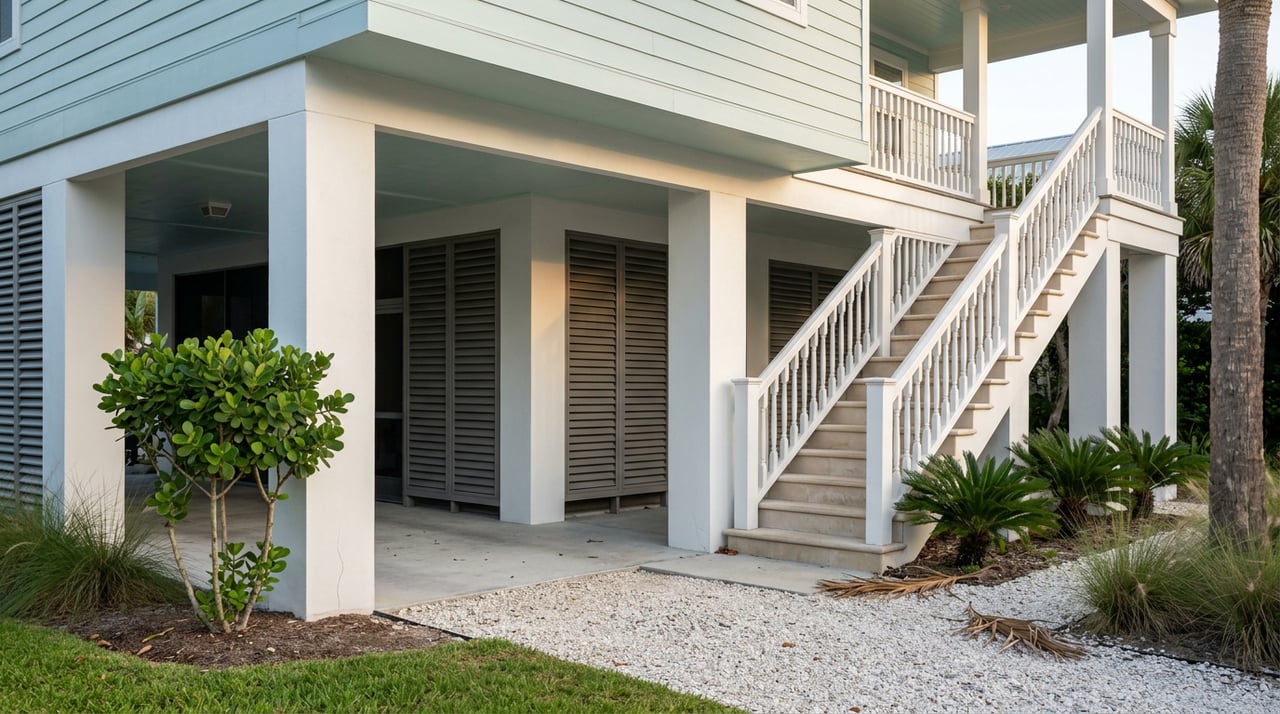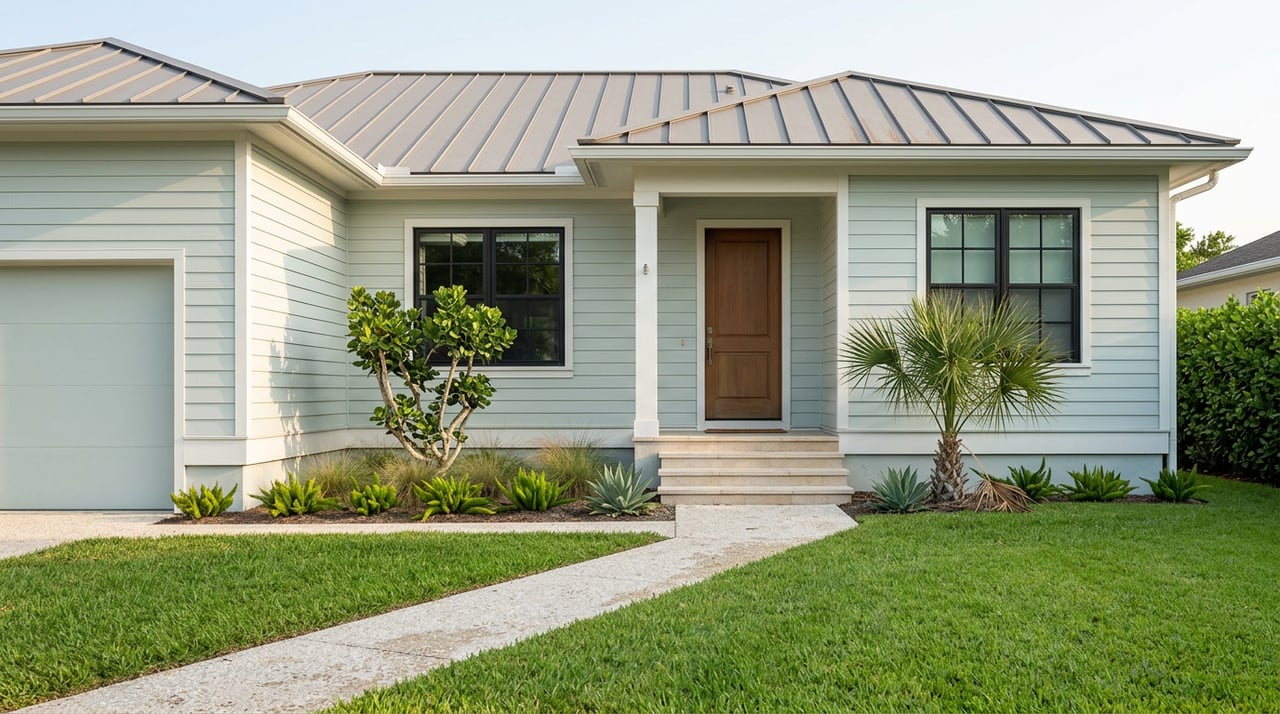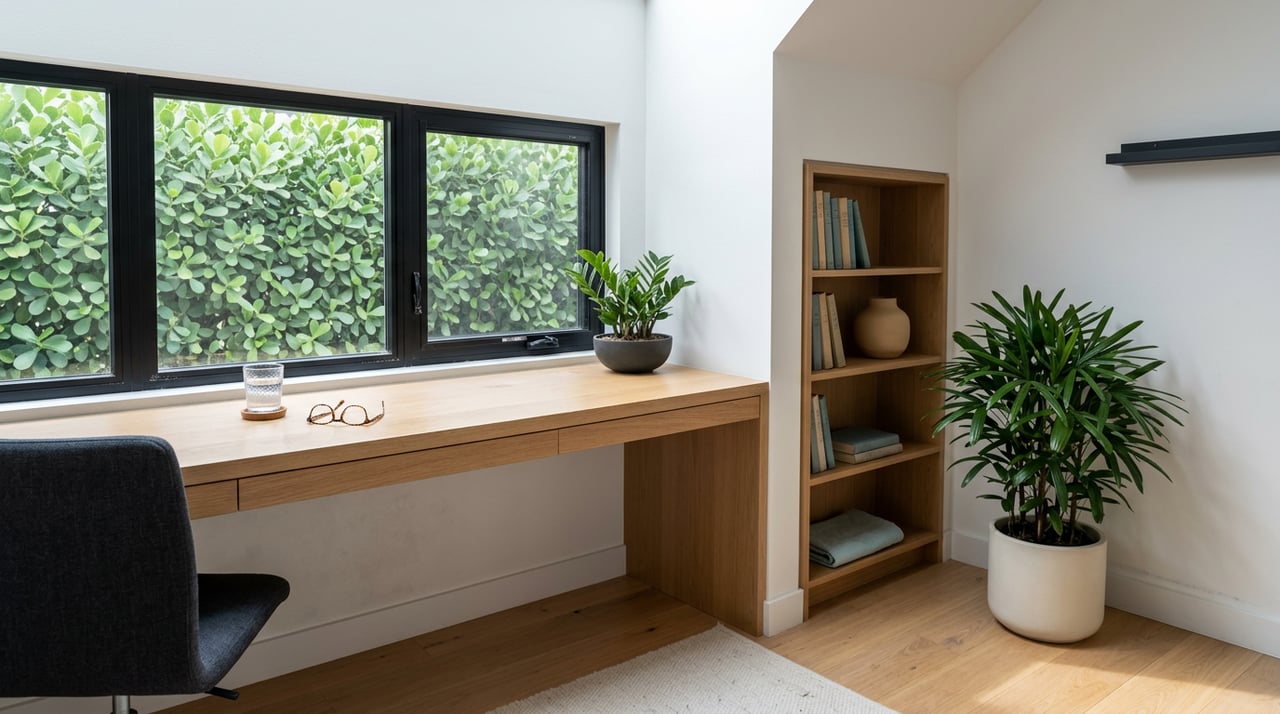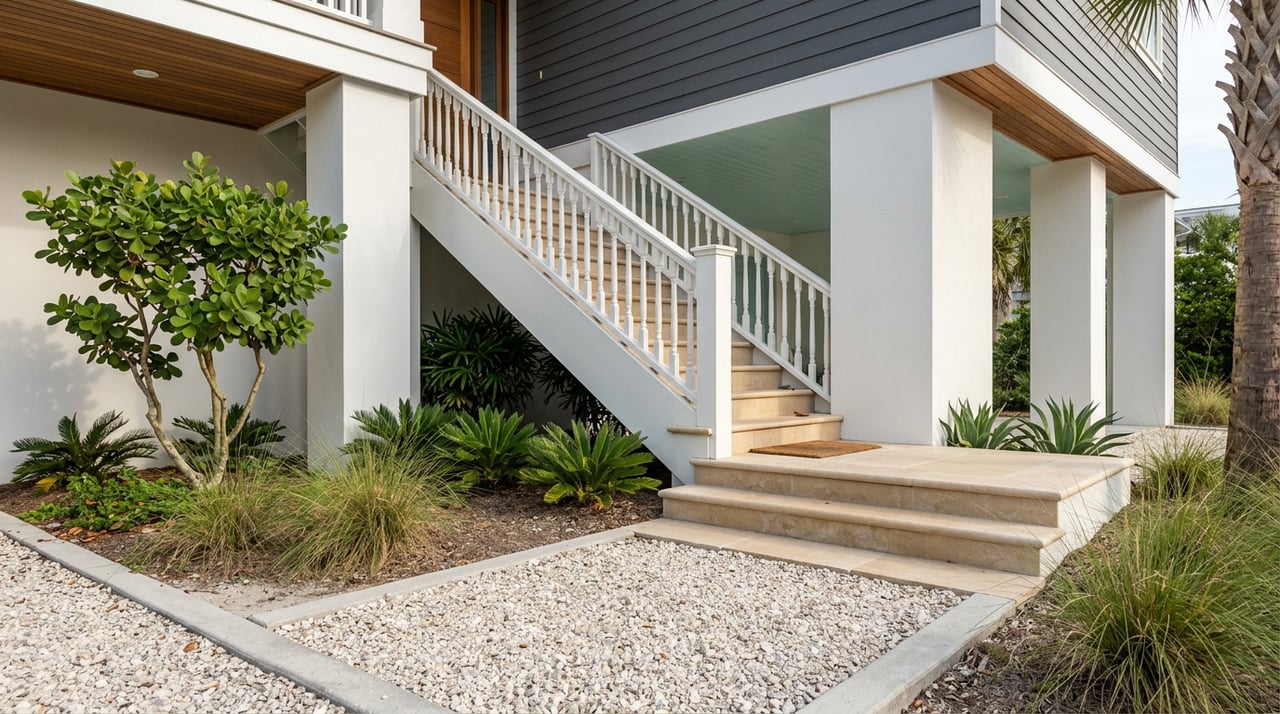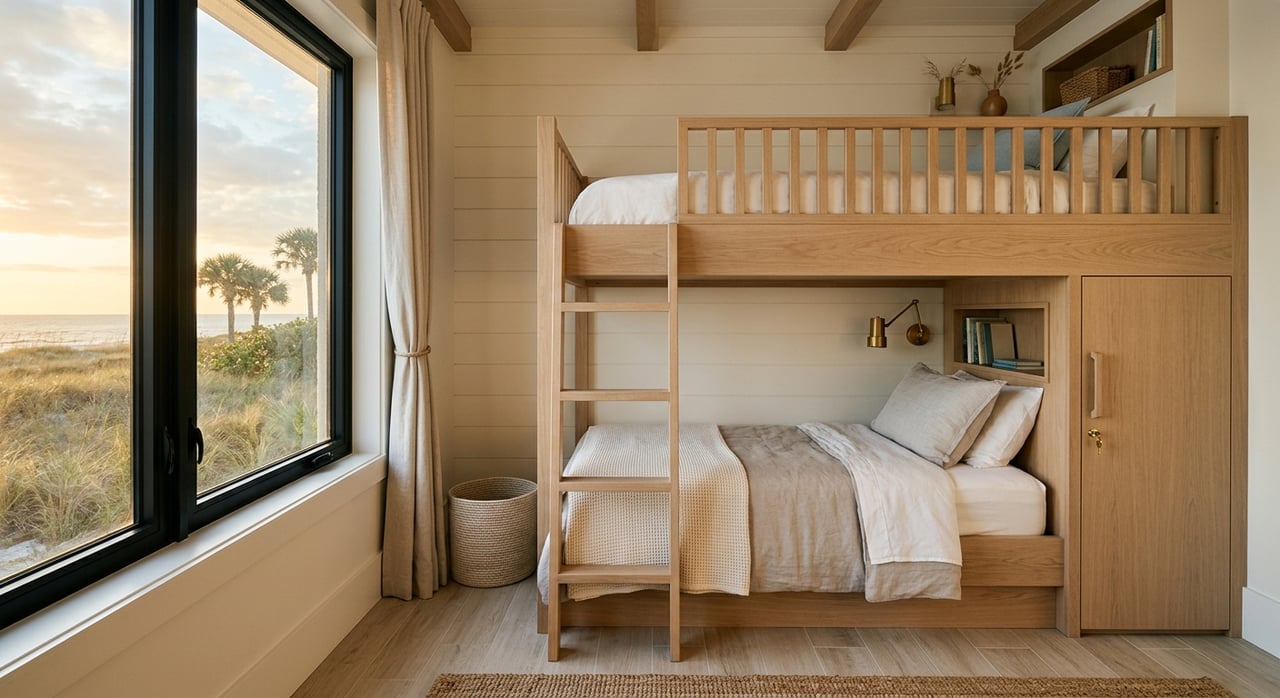
If you picture the perfect Anna Maria vacation home, you probably imagine sunny afternoons, easy beach days, and comfortable spaces where everyone can unwind. But on this barrier island, a guest-friendly home needs more than pretty finishes and extra beds. You also need to think about floodplain conditions, parking, local rules, and materials that can handle sand, salt air, and frequent use. If you want a home that feels effortless for guests and practical for long-term ownership, these are the details that matter most. Let’s dive in.
Start With Anna Maria’s Local Reality
Anna Maria requires a more thoughtful approach than many inland vacation markets. According to the City of Anna Maria flood protection resources, the city lies entirely within the 100-year floodplain and a special flood hazard area. That single fact affects how you should think about design, renovations, maintenance, and guest use.
The city also actively enforces rules tied to parking, beach activity, noise, and sea turtle lighting. On top of that, the Building Department states that the Florida Building Code, 8th Edition (2023), is in effect. For you as a buyer or owner, that means the best guest-home plan is not just about style. It is also about making smart, code-aware choices from the start.
Choose a Floor Plan Guests Can Actually Use
A beautiful home does not always function well when guests arrive with luggage, beach bags, coolers, and different sleep schedules. In Anna Maria, practical flow often matters more than oversized rooms.
Prioritize Real Bedrooms
A mix of true bedrooms and one flexible bonus area usually works better than one large bunk-style sleeping room. That setup gives guests more privacy, supports different travel groups, and keeps the home useful even when it is not full.
It also fits more naturally with the city’s vacation-rental framework. The Anna Maria vacation rental ordinance limits occupancy to the lesser of two persons per bedroom or eight total occupants, including day guests. If rental use is ever part of your long-term plan, layouts with genuine bedrooms tend to be more functional than homes that depend heavily on dens or bonus rooms.
Make Bathrooms Easy to Reach
Beach living creates constant movement through the house. People come in with wet towels, sandy feet, and bags to drop, so a guest-friendly home should make cleanup simple.
A powder bath near the main living space can make a big difference. It is also helpful when the laundry room or utility area sits near bedrooms rather than hidden at the back of the house. Based on the island’s beach-oriented use patterns and visitor guidance from the city, efficient circulation helps the home feel calmer and easier to manage.
Keep Social and Sleep Zones Separate
If you are planning a home for entertaining, room placement matters. Anna Maria’s visitor information notes that noise rules are enforced and that pool, spa, and hot tub quiet hours run from 10 p.m. to 8 a.m. You can review those details on the city’s Visitors page.
That makes it smart to separate louder gathering spaces from sleeping areas whenever possible. A layout that gives you a natural buffer between the living room, outdoor entertaining areas, and guest bedrooms can make the home more enjoyable for everyone.
Plan Parking and Arrival Early
One of the most overlooked parts of a vacation home is the arrival experience. In Anna Maria, it should be one of your first planning priorities.
The city closely enforces parking rules, and the vacation-rental ordinance requires one off-street parking space per bedroom in many residential situations. For certain homes, one required space must be in a covered garage or carport. The city’s registration checklist also asks for a site sketch showing off-street parking spaces.
That means your driveway, garage, luggage drop zone, and path to the front door should work together. A home can look stunning online, but if guests struggle with unloading, turning around, or finding a clear entry sequence, it will not feel easy to use.
Select Finishes That Can Handle Coastal Wear
In Anna Maria, durable materials are not a luxury upgrade. They are part of smart ownership.
Use Hardworking Coastal Materials
FEMA’s coastal construction guidance explains that salt spray and moisture can speed up corrosion and decay. FEMA also notes that high winds can damage roof flashing, which can lead to water intrusion, mold growth, corrosion, and dry rot.
For you, that supports a finish palette built around easy maintenance and long-term performance. Hard-surface flooring, moisture-tolerant trim, corrosion-resistant hardware, and well-detailed exterior components are practical choices in a marine environment. They also hold up better to the everyday reality of wet swimsuits, sandy floors, and sunscreen-covered hands.
Design for Easy Cleanup
The homes that feel best after a beach day usually have a clear place for cleanup before everyone spreads through the house. An exterior shower, hose bib, covered rinse area, and a drop zone for chairs, umbrellas, and towels can make a major difference.
This is especially relevant because the city’s beach and visitor rules require beachgoers to remove furniture, equipment, and trash each day. The city also states that residential trash, recycling, and landscape bins should be kept at the side of the property rather than in front. A well-organized outdoor utility area helps your home feel more polished and more practical.
Add Secure Owner Storage
If you plan to use the property part-time, owner storage becomes even more valuable. A lockable storage closet gives you a place to keep personal items, backup supplies, and seasonal gear out of the guest path.
That simple feature helps maintain a cleaner look while making the home easier to manage between visits. It also supports a more intentional, uncluttered guest experience.
Think Carefully About Outdoor Lighting
Outdoor living is a huge part of the Anna Maria lifestyle, but lighting needs special attention near the beach. The city states that sea turtle nesting season runs from May 1 through October 31, and artificial lighting that directly or indirectly illuminates the beach is prohibited. You can find that guidance on the City of Anna Maria Visitors page.
For a guest-ready home, that means exterior lights should be shielded and low-glare, and window treatments should be planned with nighttime light control in mind. This is one of those details that can affect both compliance and the overall feel of the property after dark.
Understand Vacation Rental Requirements
Even if you are buying mainly for personal use, it is wise to understand the local framework in case your plans change later. Anna Maria’s vacation rental rules and regulations outline annual registration requirements, inspection requirements, and the need for active state and county registrations before a property may be advertised or rented.
The city also notes that a new vacation rental may not be advertised or rented until written authorization is received. That is why it helps to think ahead when choosing a floor plan, parking layout, and exterior setup. A home that already works well within local expectations can give you more flexibility over time.
Focus on the Features That Matter Most
When you step back, the best Anna Maria vacation homes usually share the same traits. They combine flexible sleeping, smooth arrival flow, easy cleanup, and materials that can handle the coast.
Here is what that often looks like in practice:
- Real bedrooms plus a flexible overflow room
- A powder bath near main living areas
- Laundry placed where it is easy to reach
- Off-street parking that is planned, not improvised
- An outdoor rinse station or shower
- Lockable owner storage
- Hard-surface, moisture-tolerant finishes
- Shielded exterior lighting with beach conditions in mind
- Social areas positioned away from sleeping zones
These features do more than improve guest comfort. They can also make the home easier to maintain, more resilient in a coastal setting, and more appealing to future buyers.
Work With a Coastal Strategy
Buying or planning a vacation home in Anna Maria is as much about local knowledge as it is about design taste. Floodplain conditions, code requirements, parking rules, occupancy standards, and beach-related use patterns all shape what will feel successful long term.
If you want help finding a property with the right layout potential, renovation upside, or coastal durability for your goals, Jo-Lee Mansfield can help you evaluate the details that matter most in Anna Maria and across the Gulf Coast.
FAQs
What makes an Anna Maria vacation home different from an inland vacation property?
- Anna Maria homes need to be planned around floodplain conditions, coastal moisture, parking rules, noise standards, and sea turtle lighting requirements, not just guest comfort and design style.
How many guests can stay in an Anna Maria vacation rental home?
- Under the city’s vacation-rental framework, occupancy is capped at the lesser of two persons per bedroom or eight total occupants, including day guests, according to the local ordinance.
Why is parking so important for an Anna Maria guest home?
- The city closely enforces parking rules, and many residential situations require one off-street parking space per bedroom, which makes driveway and garage planning an important part of the home’s design.
What finishes work best in an Anna Maria coastal home?
- Hard-surface flooring, moisture-tolerant trim, corrosion-resistant hardware, and well-detailed exterior materials are practical choices because salt air, sand, and humidity can accelerate wear.
What outdoor features are useful for an Anna Maria vacation home?
- An exterior shower, rinse area, hose bib, side-yard utility space, and lockable storage are especially helpful for managing sandy gear, cleanup, and everyday beach use.
What should buyers know about Anna Maria exterior lighting rules?
- During sea turtle nesting season from May 1 through October 31, artificial lighting that directly or indirectly illuminates the beach is prohibited, so shielded exterior lighting and thoughtful window treatments are important.
Where can homeowners check Anna Maria vacation rental and building rules?
- Homeowners can review current requirements through the City of Anna Maria’s building, flood protection, visitor, and vacation rental resources before planning renovations, guest use, or future rental activity.