What is the real value of your Apollo Beach waterfront home? If you price it like a typical suburban property, you risk leaving money on the table or sitting on the market. Waterfront value lives in the details, from dock depth and seawall condition to flood zone and sunset views. In this guide, you’ll learn how to price with confidence using factors that matter to buyers, appraisers, and insurers. Let’s dive in.
Apollo Beach market snapshot
Waterfront homes in Apollo Beach attract buyers who prioritize boating access, views, and a Tampa Bay lifestyle. Inventory is smaller and more varied than non-waterfront homes, so prices can swing more with each new listing or sale. Demand often peaks from late fall through spring when seasonal buyers are in town.
To ground your pricing, rely on recent local closed sales pulled from the MLS and public records through the Hillsborough County Property Appraiser. For broader context, you can monitor statewide trends through Florida Realtors market reports, then calibrate to the local waterfront segment.
Water-access value drivers
Small differences on the water can create big price gaps. Focus on the features buyers pay for and the costs that may reduce offers.
Waterfront type and access
- Direct bayfront typically draws the strongest demand for open-water views and quick access to Tampa Bay.
- Canal-front with reliable, navigable access also commands a premium, especially with adequate depth for your boat class.
- Non-navigable or tidal marsh adjacency leans more on view and privacy than boating utility.
Dock and seawall condition
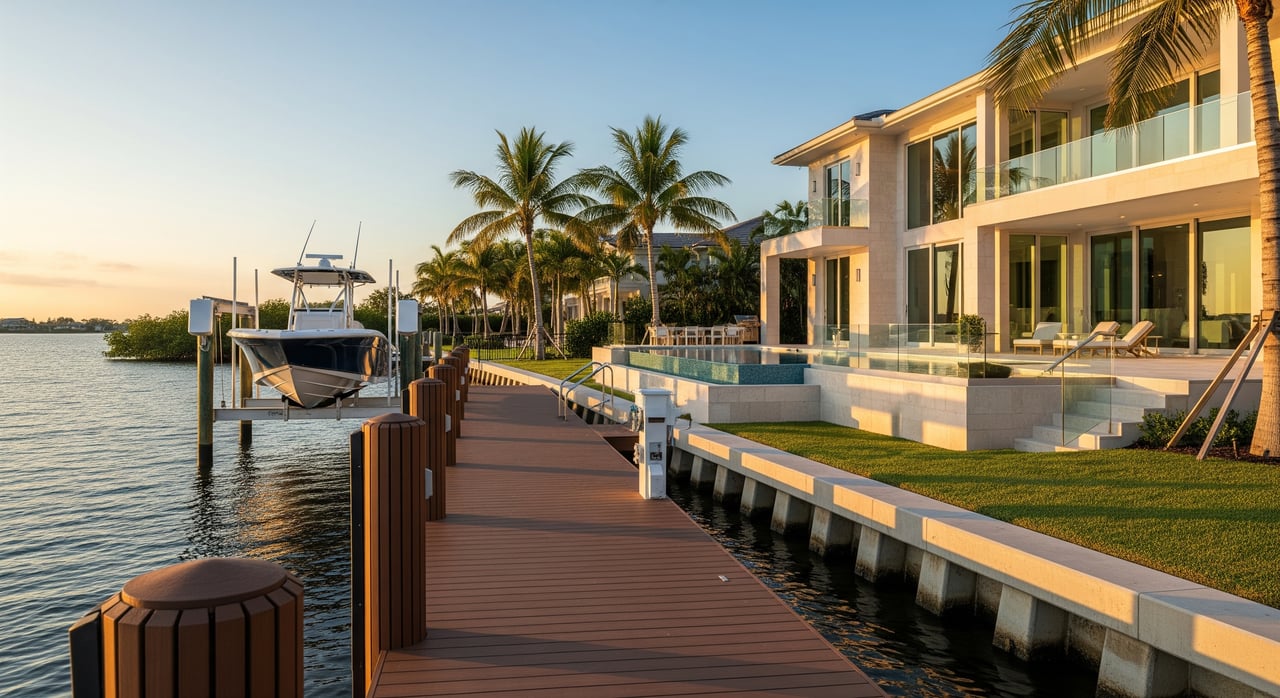
- A permitted, well-maintained dock with lift, plus a sound seawall, can support stronger pricing.
- If repairs are needed, buyers often discount their offers based on expected costs. A licensed marine inspection and repair estimates help you price and negotiate with clarity.
View, orientation, and privacy
- Unobstructed views and western exposure for sunsets often add tangible value.
- Wider canals, corner lots, and limited sightlines to neighboring docks can lift perceived privacy and price.
Elevation and flood risk
- Flood zone, elevation, and base flood elevation affect insurance costs, buyer affordability, and marketability.
- Share an elevation certificate if available and provide resources so buyers can verify maps and risk. Start with the FEMA Flood Map Service Center and the NOAA Sea Level Rise Viewer.
Home condition and storm hardening
- Roof age, impact-rated openings, storm shutters, and reinforced garage doors reduce perceived hurricane risk.
- Highlight recent upgrades that may reduce insurance costs or inspection friction.
Smart pricing steps for sellers
Accurate pricing starts with documentation and realistic comps, then moves to a strategy that fits buyer demand.
Pre-list documentation
Pull together a buyer-ready file. It builds trust and helps your price stick.
- Recent survey showing lot lines and the mean high-water line if relevant
- Elevation certificate or order one early
- Seawall and dock inspection from a licensed marine contractor
- Permit history for shoreline work and major renovations
- Title details on riparian rights and any easements
- Utility and septic documentation where applicable
Choose the right comps
Waterfront comps are not one-size-fits-all. Weigh these adjustments carefully:
- Waterfront category: bayfront vs canal vs view-only
- Dock, lift, and seawall presence, condition, and permits
- Linear shoreline and lot size
- Elevation and flood-risk differences
- Home size, age, systems, and overall condition
Document the reasoning behind each adjustment in your CMA. This helps buyers and appraisers see the value you are pricing.
Set a strategic list price
Pick a launch strategy that matches today’s demand and inventory.
- When inventory is lean and demand is strong, a modest premium above the comp range can capture urgency. Be prepared to manage appraisal risk.
- In a balanced or softer market, price within the comp range to drive showings. Overpricing can shrink your audience because waterfront buyers search with very specific filters.
- Consider testing a price point for a defined period. If activity is weak, make a decisive adjustment rather than slow, incremental reductions.
Plan for appraisals and financing
Unique waterfront homes often have limited comps, which raises appraisal risk.
- Provide a comp packet to the buyer’s agent and appraiser that includes recent closed waterfront sales, your dock and seawall report, permits, and the elevation certificate.
- Favor buyers with strong financing or larger down payments. Appraisal-gap coverage and cash reserves increase certainty.
- For cash offers or seasoned local investors, appraisal risk is less of a barrier, but align price with market liquidity.
Insurance, permits, and rules
These factors directly affect buyer budgets and perceived risk, which flow into pricing.
Flood and wind insurance
- Flood zone and insurability shape monthly costs. Share your elevation certificate and any insurance quotes you obtain.
- Buyers can use the FEMA Flood Map Service Center to confirm flood zones. Private flood markets may offer options, but availability and pricing change over time.
Permits and shoreline work
- Seawall or dock projects often require multiple approvals. Start at the Florida Department of Environmental Protection and the U.S. Army Corps of Engineers for work in navigable waters.
- Regional water considerations and guidance are available through the Southwest Florida Water Management District.
- Work affecting mangroves, seagrass, or submerged lands is regulated. Expect mitigation or restoration requirements if impacts are proposed.
HOA and rental policies
- HOA rules and local short-term rental policies can influence demand and price. Clarify what is allowed and disclose early to avoid surprises during escrow.
Marketing that protects price
Great pricing still needs great presentation. Buyers pay for the story your home tells.
- Invest in professional photography, drone images, and a short boating-access video when safe and permitted.
- Feature lifestyle details in captions: docking capacity, water depth at the lift, proximity to channels, common wildlife sightings, and sunset orientation.
- Showcase documentation in the listing: elevation certificate available, permitted dock and lift, recent seawall report, and storm-hardening upgrades.
- Target the right audience across MLS and regional channels that reach boaters and waterfront lifestyle buyers.
Seller prep checklist
Use this list to support a firm asking price and smoother negotiations.
- Assemble survey, deed and easements, elevation certificate, and permits for dock, seawall, and major renovations
- Commission a licensed marine contractor for a seawall and dock inspection
- Order a pre-listing home inspection and address or disclose major items
- Obtain sample flood and wind insurance quotes and summarize annual costs
- Create a comp packet with rationale for waterfront adjustments and documented premiums
- Produce premium visuals, including drone and twilight photography
Buyer perspective to pressure-test price
If you are evaluating an asking price as a buyer, focus on the big levers.
- Confirm flood zone, elevation, and likely insurance costs using the FEMA Flood Map Service Center.
- Review any seawall and dock reports. If none are provided, budget for inspections and possible repairs.
- Compare the home’s water access, view quality, and orientation to recent closed waterfront sales rather than to non-waterfront listings.
What waterfront premiums look like
Waterfront premiums vary widely by water type, access, view, permits, and local demand. In many Florida coastal markets, premiums can range from modest single-digit percentages to much higher in exceptional locations. The smartest approach is to pull recent closed waterfront sales in Apollo Beach and adjust for your home’s specific water access, shoreline features, elevation, and condition.
The bottom line
Price your Apollo Beach waterfront home with data, documentation, and a clear strategy. When you combine the right comps with verified insurance and permitting facts, buyers gain confidence and your pricing power grows. If you want a partner who understands docks, seawalls, flood issues, and high-end presentation, we are here to help.
Ready to price with precision and present your home beautifully? Connect with Jo-Lee Mansfield to schedule a free consultation.
FAQs
What drives waterfront pricing in Apollo Beach?
- Water access, dock and seawall condition, view and orientation, elevation and flood zone, and overall home condition are the largest levers for price.
How does flood insurance affect value in Apollo Beach?
- Higher premiums reduce buyer budgets, so sharing an elevation certificate and directing buyers to the FEMA Flood Map Service Center helps clarify true total cost.
Do I need permits to repair a seawall or dock?
- Shoreline work often requires approvals from the Florida Department of Environmental Protection and sometimes the U.S. Army Corps of Engineers, so factor time and cost into pricing.
How should I handle appraisal shortfalls on unique homes?
- Provide a robust comp packet, favor buyers with strong financing or gap coverage, and consider credits for repairs that preserve the contract price.
When is the best season to list in Apollo Beach?
- Buyer activity often peaks from late fall through spring, but a well-prepped, well-priced listing can sell year-round when it stands out on access and documentation.