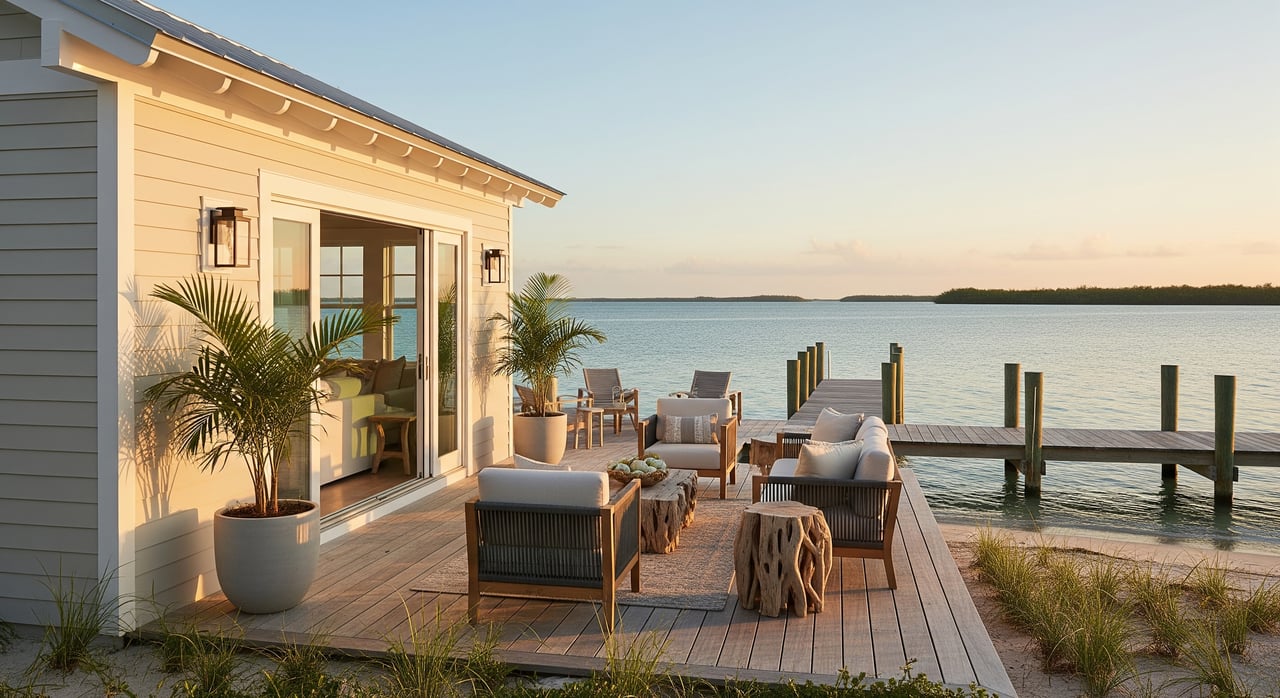
Salt air, turquoise water, and sunset views can sell a story on their own, but getting top dollar for a waterfront home on Anna Maria takes more than a pretty backdrop. You are selling a lifestyle and a coastal structure that buyers and insurers will scrutinize closely. In this guide, you will learn what to inspect, what to repair, how to document flood and permit details, and how to stage and market the shoreline lifestyle buyers expect. Let’s dive in.
Know what Anna Maria buyers value
Waterfront buyers on Anna Maria Island look for two things at once: a turnkey lifestyle and confidence in coastal systems. You need to present a clear picture of water access, seawall and dock condition, elevation, and hurricane resilience. Many buyers also ask about insurability and ongoing costs, so have documentation ready.
Highlight these high-impact details in your listing and showings:
- Exact water type and access: Gulf, bay, or canal; private or shared dock; boat-lift capacity; depth at mean low tide.
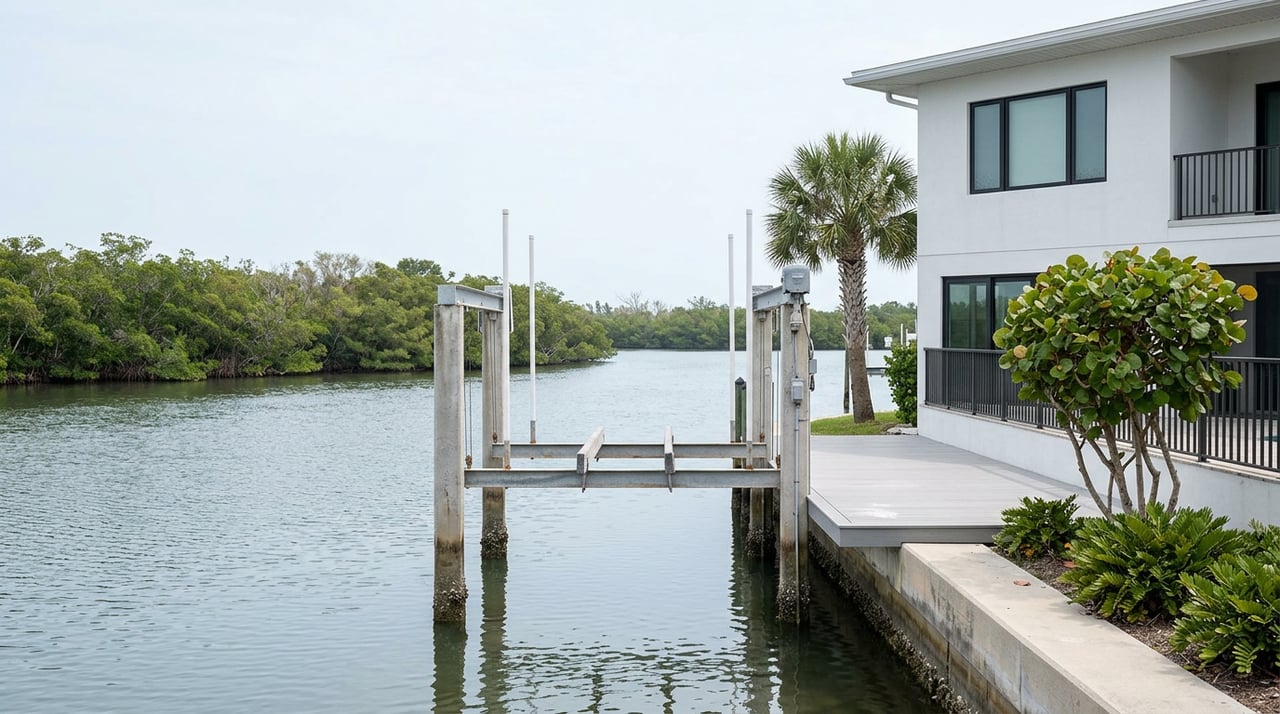
- Seawall and dock status: age, recent repairs, engineer or marine-contractor reports, and any permits.
- Flood and elevation information: the FEMA flood zone and any Elevation Certificate.
- Wind and roof credentials: wind-mitigation report, roof age or certification, and opening protection.
- Lifestyle context: proximity to marinas, bridges to the mainland, and nearby dining and recreation.
Get critical inspections early
Inspections drive buyer confidence, insurance pricing, and lender approval. Ordering key reports before you list helps you price accurately and avoid last-minute renegotiations.
Seawall and dock inspection
A licensed marine contractor or civil engineer should inspect the seawall, bulkhead, dock, pilings, and boat-lift hardware. Document any repairs or reinforcements and keep permits handy. Buyers and lenders often require seawall evaluations before closing.
Roof and wind-mitigation reports
Florida insurers often evaluate roof age and condition closely. A roof inspection or certification, alongside a wind-mitigation report that documents roof-to-wall connections, hurricane straps, and opening protection, can make your home more attractive and help reduce insurance premiums.
General home and WDO
A standard home inspection paired with a termite and wood-destroying organism check is expected. Salt air accelerates wear, so proof of routine maintenance goes a long way.
HVAC and moisture checks
Corrosion from salt air can affect exterior units and coils. Service records, filter changes, and a clean inspection report show diligence. Consider a mold or moisture assessment if you have any signs of humidity-related issues.
Septic or sewer confirmation
If you are on septic, provide recent inspection or pump records. If connected to sewer, include documentation.
Document flood and elevation details
Flood risk is a central part of coastal due diligence. Buyers and their insurers will ask about your flood zone and elevation.
- Confirm the FEMA flood zone for your parcel and be ready to share it.
- Provide an Elevation Certificate if you have one. If not, consider ordering one before listing, since lenders and insurers often rely on it for premium calculations.
- Explain whether you carry flood insurance, your current premium, and any mitigation features in place.
Secure permits and coastal records
Waterfront components typically require permits, and buyers will expect proof that your seawall, dock, and boat lift were built or repaired with proper approvals. Records may involve Manatee County and the City of Anna Maria. Some projects also involve state or federal oversight.
- Local building and coastal rules: Check Manatee County and City of Anna Maria permit records for docks, boatlifts, seawalls, and major renovations.
- State review: The Florida Department of Environmental Protection may have jurisdiction for coastal construction and submerged lands.
- Federal review: The U.S. Army Corps of Engineers may require permits for work in navigable waters.
Gather any as-built drawings, permits, final approvals, and contractor invoices. Organized documentation reduces friction during buyer due diligence and appraisals.
Make smart, waterfront-specific repairs
Salt, sun, and spray create unique maintenance needs. Address them up front so buyers see a well-cared-for property.
- Treat corrosion: Replace or re-coat corroded railings, fasteners, hinges, and boat-lift hardware with marine-grade materials.
- Refresh exteriors: Pressure-wash and repaint with salt-tolerant coatings. Remove mold, mildew, and salt stains.
- Repair decking: Replace rotten wood and consider compliant composite materials where permitted.
- Improve drainage: Clear gutters and downspouts to prevent pooling near the foundation.
- Service HVAC: Clean coils, replace filters, and document recent maintenance.
- Fix safety items: Ensure stair rails are secure and dock surfaces are non-slip.
Stage for views and outdoor living
You want buyers to picture themselves waking to water and entertaining outdoors. Keep the look clean and coastal without going overboard on theme.
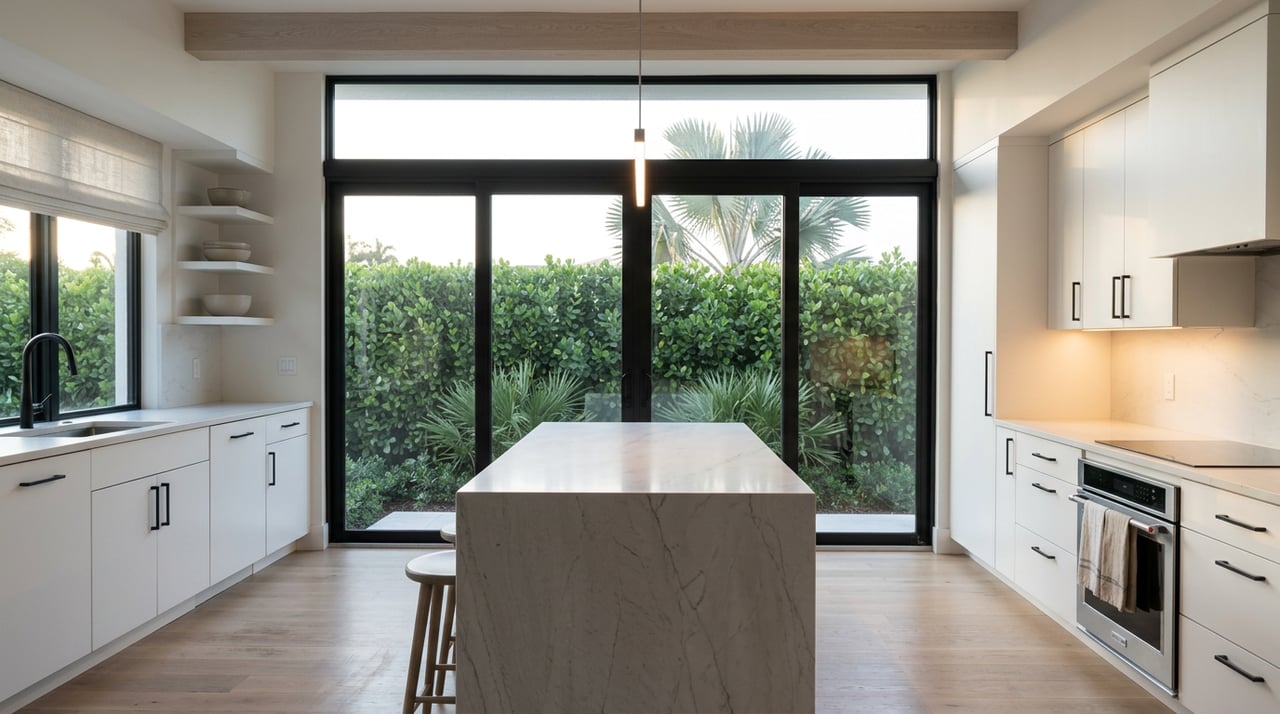
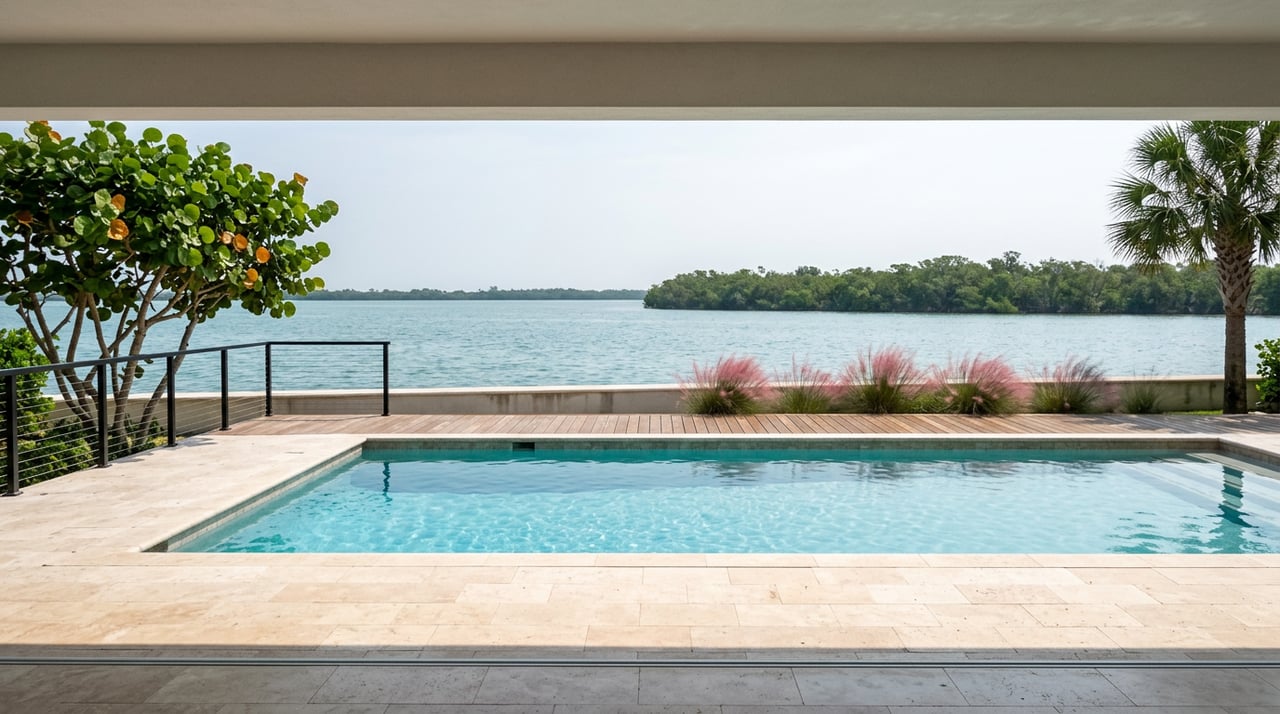
- Declutter: Minimize heavy nautical decor. Keep sightlines to the water open from main living areas.
- Focus furniture: Orient seating toward windows, sliders, and outdoor areas.
- Showcase outdoor zones: Clean railings, sweep decks, and make sure lighting and pathways are functional and safe.
- Use a neutral palette: Light, breathable textiles and subtle coastal accents let views take center stage.
Nail photography, drone, and video
Premium visuals help out-of-area buyers and relocation clients fall in love faster. Plan your shoot to show both lifestyle and structural confidence.
- Interiors: Wide-angle shots that play up water-facing rooms and natural light.
- Exteriors: Capture both high and low tide if it affects perceived access or depth.
- Aerials: Drone images that show context, like proximity to the Gulf, bay, beaches, and bridges. Ensure compliance with FAA rules and any local ordinances.
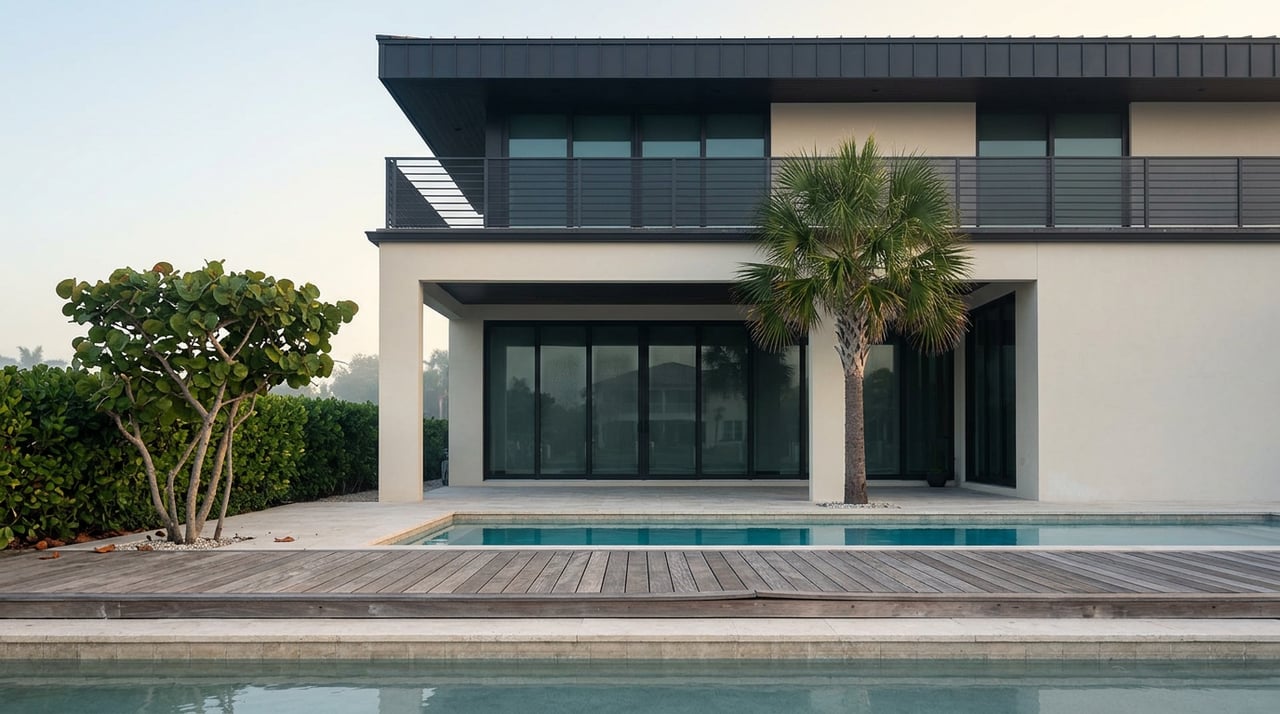
- Twilight: Sunset or sunrise angles to showcase the home’s orientation and dock ambiance.
- On the water: Dock-level or boat-approach footage can highlight access and condition.
Price with coastal factors in mind
Waterfront pricing is nuanced on a small barrier island with limited inventory. Work with your agent to weigh lifestyle appeal alongside structural realities.
Key pricing inputs include:
- Water type and access quality.
- Seawall and dock condition and documentation.
- Elevation, flood zone, and available insurance data.
- Roof age and wind-mitigation features.
- Recent upgrades and coastal maintenance history.
Seller checklist and timeline
Follow this practical order of operations to reduce surprises and move confidently toward market.
Week 0: Gather documents
- Deed, survey, parcel ID, and recent tax record.
- Seawall, dock, and renovation permits and approvals.
- Roof documentation and contractor records.
- Elevation Certificate if available.
- Current insurance info and any loss history.
- Septic records or sewer connection proof.
- HOA or deed restrictions if applicable.
Weeks 0–2: Order inspections
- Seawall and dock inspection by a qualified marine professional.
- Roof inspection or certification.
- Wind-mitigation inspection.
- General home inspection and WDO.
- Septic inspection if on-site system.
Weeks 2–6: Handle repairs and safety
- Complete seawall or dock work recommended by your inspector.
- Replace rotten decking and corroded hardware.
- Fix windows and doors, ensure rail safety, and add non-slip dock surfaces.
- Service HVAC, address humidity, and remediate any mold.
Weeks 4–6: Polish and stage
- Pressure-wash, repaint, and refresh landscaping with salt-tolerant plants.
- Declutter interiors, touch up paint, and consider professional staging.
- Add or update exterior and dock lighting for evening showings.
Week 6+: Launch with confidence
- Book professional photos, drone, and a virtual tour.
- Prepare disclosures and a tidy permit package for buyers.
- Price with comps that adjust for seawall, dock, elevation, and insurability.
Showing tips for waterfront homes
Little touches help buyers linger and picture life on the water.
- Provide simple tide notes and boat-access info for buyer agents.
- Keep the dock clean, safe, and well lit for evening showings.
- Open blinds and sliders to frame water views.
- Set outdoor seating and turn on landscape and dock lights before showings.
Be ready for buyer questions
Buyers of Anna Maria waterfront properties often ask detailed questions. Prepare concise answers and documentation.
- What type of access is it and is the dock private or shared?
- When was the seawall last repaired and is there an engineer’s report?
- Do the dock and boat lift have permits and what is the lift capacity?
- What is the FEMA flood zone and do you have an Elevation Certificate?
- What are your current flood and wind insurance premiums and any recent claims?
- What wind or flood mitigation features are in place?
- Are there any known encroachments, easements, or riparian considerations?
- Are there HOA or rental rules that affect use or income potential?
Your next step
If you want a premium result, present both lifestyle and certainty. A clean, well-documented waterfront home with verified inspections, clear flood and permit records, and polished marketing will stand out in Anna Maria’s tight coastal market.
Ready to make your move with a concierge, waterfront‑savvy plan? Connect with Jo-Lee Mansfield to talk strategy and schedule a free consultation.
FAQs
What inspections should Anna Maria waterfront sellers order first?
- Start with a seawall and dock inspection, then roof and wind-mitigation reports, followed by general home and WDO inspections. Add septic and moisture checks as needed.
How do flood zones and Elevation Certificates affect my sale?
- Flood zones and Elevation Certificates influence insurance requirements and premiums, which impact buyer confidence, lender approval, and final pricing.
Which permits matter for docks, lifts, and seawalls?
- Expect records from Manatee County and the City of Anna Maria, with possible state and federal permits for coastal and navigable waters work.
What repairs most improve buyer confidence on the Island?
- Address seawall or dock issues, replace corroded hardware, fix rotten decking, service HVAC, and complete visible exterior refreshes that show ongoing care.
How should I stage a waterfront home to maximize appeal?
- Clear sightlines to the water, keep decor neutral, orient furniture to views, and showcase safe, clean outdoor living areas with working lighting.
Are drone photos worthwhile for Anna Maria listings?
- Yes, aerials help show context and lifestyle value. Ensure your photographer follows FAA rules and any local ordinances before flying.