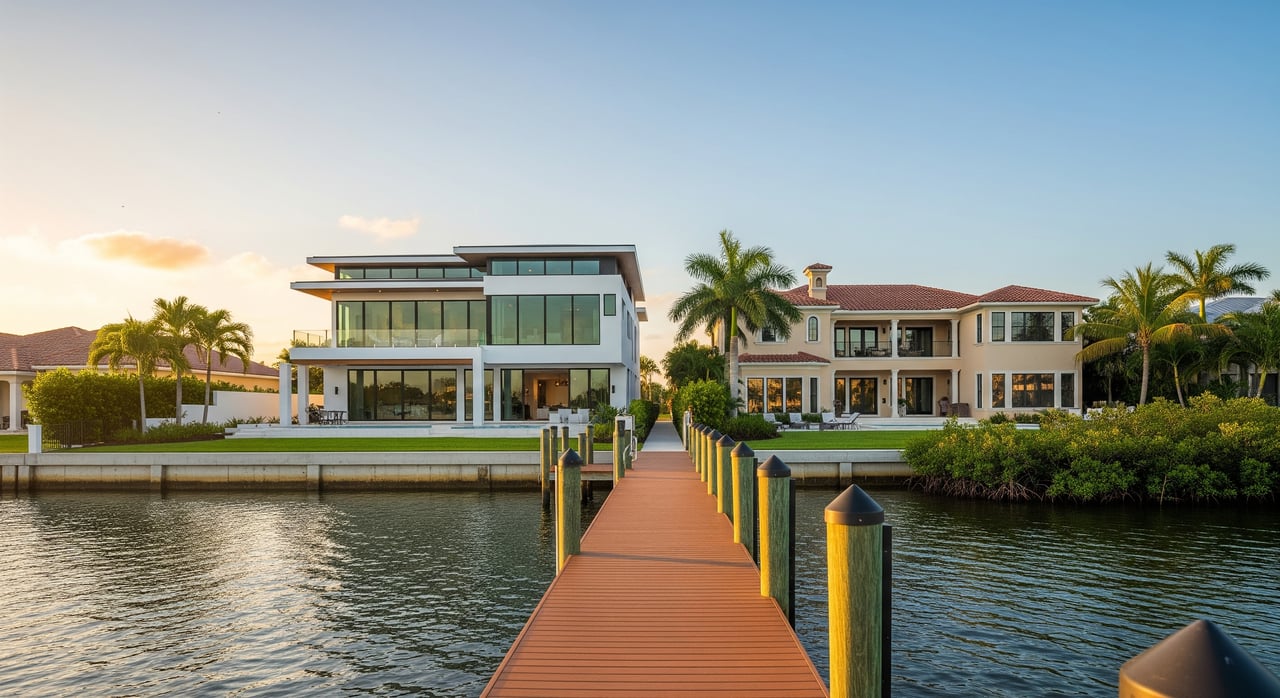
Should you buy a brand-new waterfront home in Bradenton or go with a well-kept resale that already has a dock and seawall? It is a big decision, and the right choice depends on how you plan to live, boat, and invest on the Gulf Coast. You want the views and access, but you also want smart protection from storms, flood risk, and surprise repair bills. In this guide, you will learn the real trade-offs between new construction and resale on Bradenton’s waterfront, plus the permitting, insurance, and inspection steps that matter most. Let’s dive in.
Bradenton waterfront market reality
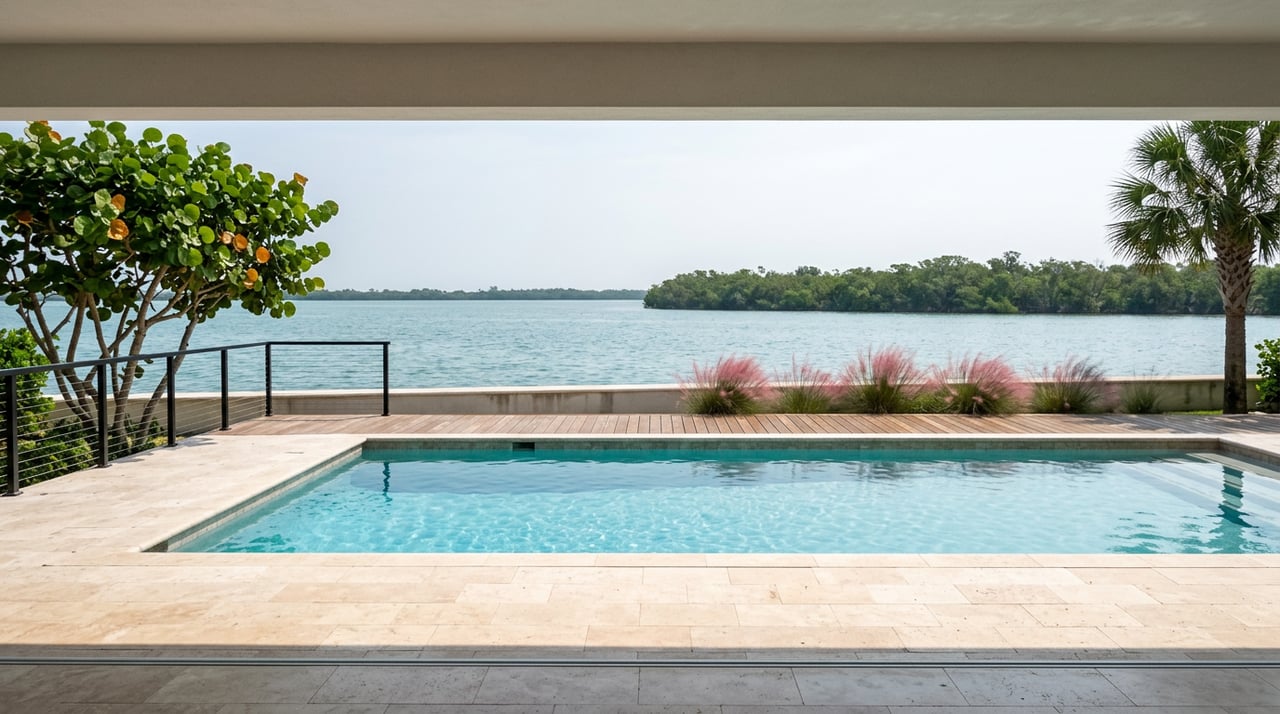
Waterfront property in Bradenton and across Manatee County serves a distinct buyer pool. You are shopping for boating access, views, and a coastal lifestyle, and those features behave differently than inland comparables. Inventory on the water is typically tighter, and pricing can be more sensitive to lot quality, water depth, and existing marine improvements.
New waterfront construction exists, but it is limited by the number of available lots. Many new homes are custom builds or infill projects. Resale homes may sit on mature lots and already include a seawall, dock, and lift, which can attract strong demand.
For up-to-date pricing and inventory, review local data sources before you write an offer. County and state resources update frequently. Focus on water-lot attributes, not just bedroom count.
New construction: what you gain
Built to today’s codes
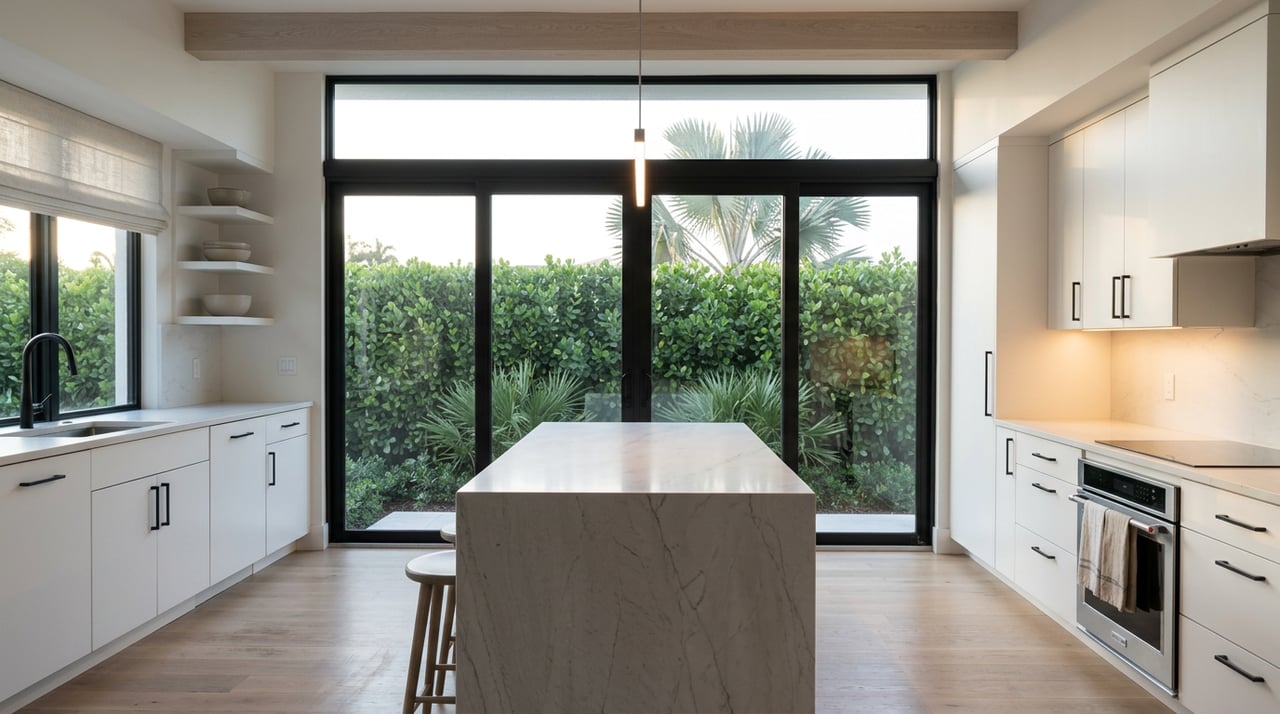
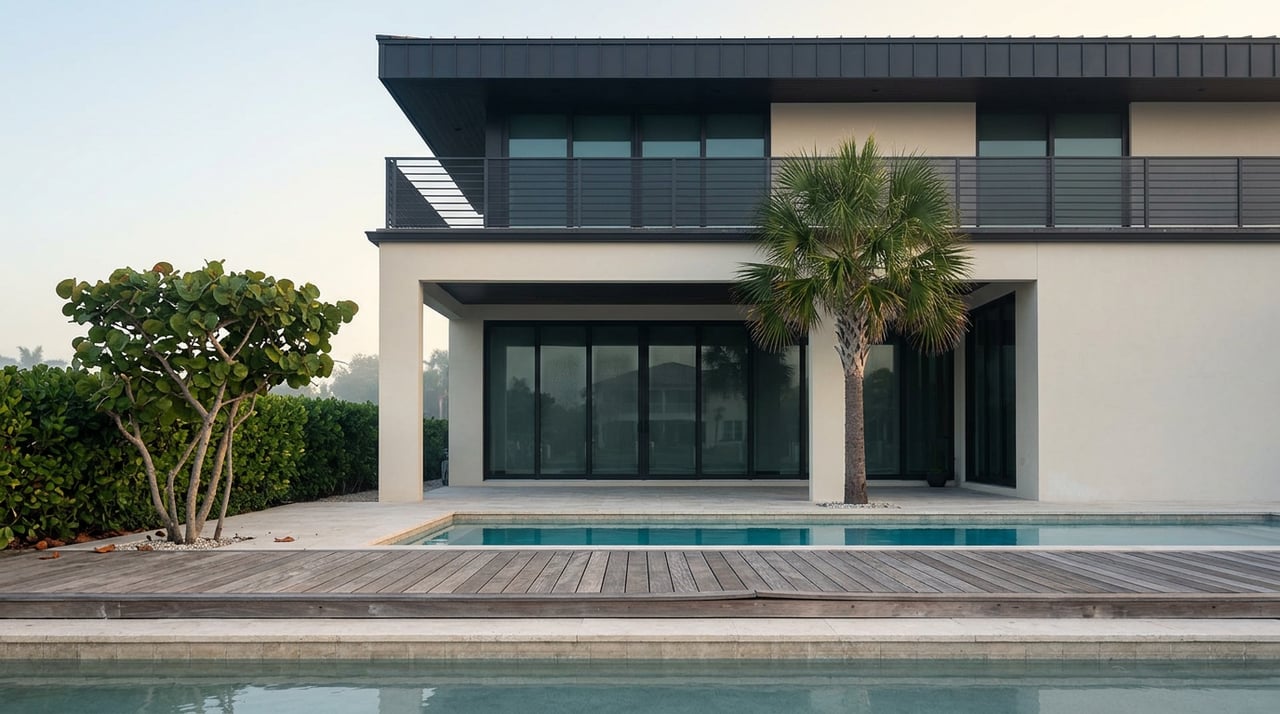
New waterfront homes are designed to the current Florida Building Code and local standards. That typically means stronger wind resistance, modern roof-to-wall connections, and opening protections. Coastal lots often require higher finished-floor elevations, which can lower flood exposure compared to older homes built to earlier standards.
Warranties and efficiency
Many new homes include builder and manufacturer warranties that cover early defects and structural elements for defined periods. New systems and materials often deliver better energy performance and can help with insurance mitigation credits. You may also get the benefit of modern HVAC, insulation, and impact-rated windows right from day one.
Designed for the site
A new build lets you plan around elevation, drainage, and marine work up front. You can set the foundation type with flood requirements in mind and integrate dock or lift plans into the timeline. This gives you design control and a clear start-to-finish path, if you manage permits and sequencing well.
Resale: what you gain
Established lots and improvements
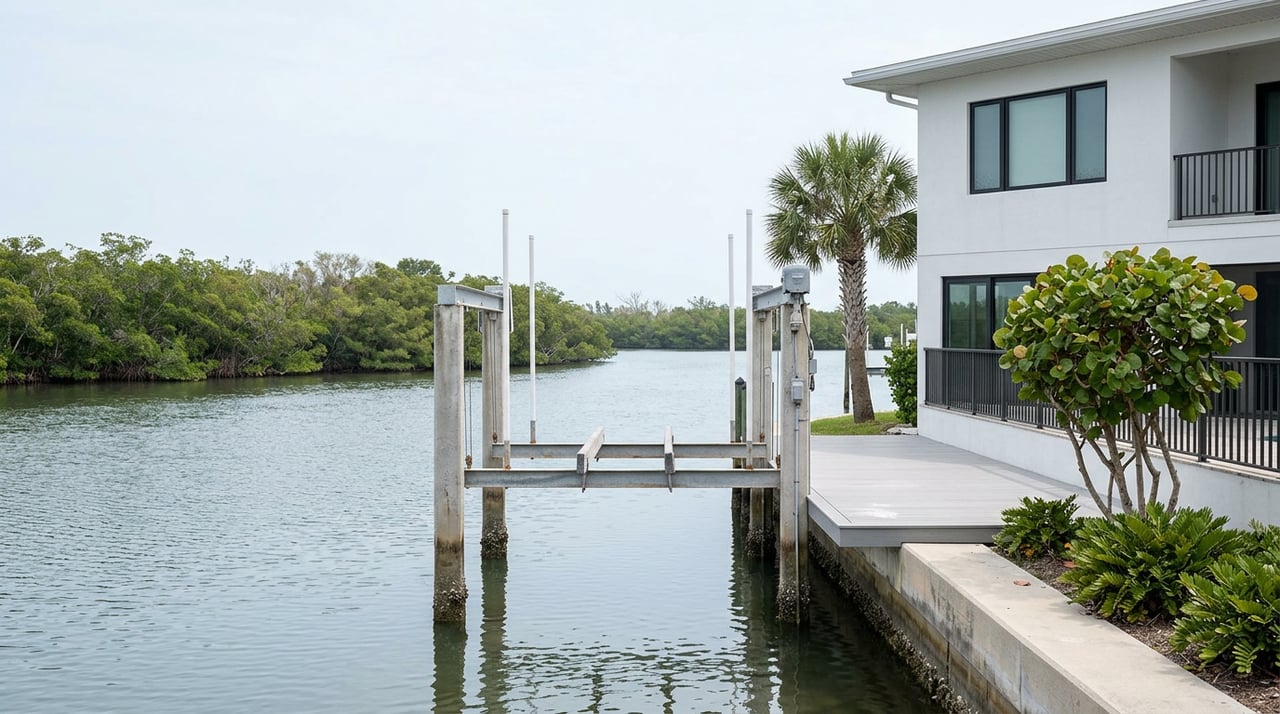
Resale waterfront homes often come with mature landscaping, an existing seawall, and a private dock. If the dock offers the depth and access you need, that is immediate value and convenience. You also get a known track record for how the lot has performed through past storm seasons.
Character and location
Many resale homes sit in established waterfront neighborhoods close to marinas, dining, and beaches. You can assess the setting as it exists today rather than guessing how a new area will mature. If the home has been well maintained and improved with permits, you may be able to move in and enjoy the water quickly.
Cost to modernize
The trade-off with resale is potential upgrade work. Older homes may need impact windows, roof improvements, electrical updates, or seawall and dock repairs to meet current lender and insurer expectations. You should budget for near-term capital items and verify permits were closed.
Seawalls, docks, and boating access
Why these drive value
On the water, the condition and functionality of the seawall and dock can impact both enjoyment and resale value. These are significant assets and can be costly to repair or replace. Always obtain a dedicated seawall and dock inspection by a qualified marine contractor to check for undermining, corrosion, piling integrity, and permit compliance.
Permits and agencies you may encounter
Marine work often requires reviews beyond a standard building permit. Dock, lift, seawall, and dredging projects commonly involve the Florida Department of Environmental Protection (FDEP) and, in many cases, the U.S. Army Corps of Engineers. Manatee County will also review plans for shoreline and construction compliance.
- Learn about local submittals with Manatee County Building and Development Services: Manatee County Building and Development Services
- Review state environmental permitting for docks and seawalls with FDEP’s Submerged Lands and Environmental Resources Coordination: FDEP environmental resource permitting
- Check federal regulatory guidance with the U.S. Army Corps of Engineers, Jacksonville District: USACE regulatory program
If mangroves are present, trimming and removal are regulated and may require additional approvals. Verify past mangrove work had proper permits to avoid penalties and replanting obligations.
- For state rules on mangroves, see FDEP: FDEP mangrove protection
Flood zones, elevation, and insurance
Know your flood zone
Waterfront parcels in Bradenton often fall in AE or VE flood zones, which influences required base flood elevation and design. Get a property-specific determination and, if available, an elevation certificate. You can view official maps at the FEMA Flood Map Service Center.
Insurance snapshot
Coastal ownership usually involves separate wind and flood considerations. Flood can be written through NFIP or private carriers, and wind is often private market or Citizens Property Insurance for some owners. For current market context and availability, consult the Florida Office of Insurance Regulation and obtain quotes before you offer.
Elevation and mitigation
The higher a home sits relative to base flood elevation, the better your options can be for flood coverage and premiums. New construction that meets today’s elevation and opening protection standards may qualify for mitigation credits. Resale owners can often retrofit while planning other upgrades.
Water quality and red tide awareness
Periodic red tide events can affect nearby beaches and nearshore waters, which may influence short-term rental demand and your day-to-day plans. Monitor official advisories and current conditions through the Florida Fish and Wildlife Conservation Commission’s red tide resources: FWC red tide information.
Short-term rentals and HOA rules
If you are buying for rental potential, verify local rules and HOA covenants before you count on income. Licenses, registrations, and operational standards may apply, and some communities restrict rental periods or occupancy. Confirm tax obligations for transient rentals as part of your underwriting.
Cost and financing considerations
Purchase price and life-cycle costs
New waterfront builds can command premiums for modern design and code compliance. Resales on exceptional lots with deep-water access can also carry strong pricing. Factor in life-cycle costs: seawall and dock upkeep, insurance, and potential upgrades.
Appraisals and loan structure
Waterfront appraisals weigh lot characteristics, navigational access, and permitted marine improvements heavily. If you are building, your lender may structure a construction-to-permanent loan and require dock and seawall plans up front. For resale, high-quality comps with similar water attributes help the appraisal process.
Taxes and homestead
Verify current taxes and the likely impact of a new build or a major renovation on assessed value. If this will be your primary residence, review Florida homestead eligibility and timing. You can research assessments and exemptions with the Manatee County Property Appraiser.
Due diligence checklist
For both new and resale
- Pull a property-specific FEMA flood map review and request an elevation certificate if available.
- Order a current survey showing shoreline, easements, and riparian boundaries.
- Obtain homeowner, wind, and flood insurance quotes before making an offer.
- Confirm utilities: sewer vs. septic, water provider, and stormwater obligations.
- Review zoning, setbacks, and floodplain rules with county staff or a coastal-focused real estate attorney.
Additional steps for resale homes
- Hire a comprehensive home inspection that includes roof ties, openings, and major systems.
- Commission a seawall and dock inspection by a marine contractor.
- Verify permits for past work and confirm they were properly closed.
- Ask about known storm damage and prior FEMA or insurance claims.
Additional steps for new construction
- Vet the builder’s coastal portfolio, references, and warranty terms.
- Confirm foundation type, flood elevation strategy, and hurricane-resistant details.
- Clarify who handles marine permits for dock, lift, and seawall work.
- Review contract allowances, change-order process, and contingencies for unforeseen marine conditions.
Long-term resilience and planning
Consider how your time horizon aligns with coastal risk and resilience. Look at sea-level projections and local elevation as part of your plan for ownership over 10 to 20 years. NOAA’s tools can help you visualize local scenarios: NOAA Sea Level Rise Viewer.
Which path fits your goals
If you want turnkey boating access and mature landscaping right now, a well-documented resale with a solid seawall and functional dock may be your best move. If you value the latest building standards, elevation, and customized design, new construction can deliver long-term peace of mind. Both paths can be smart investments when you pair the right property with careful due diligence.
When you are ready to compare specific Bradenton waterfront options, get a local, technical partner in your corner. For concierge guidance on codes, seawalls, permits, and lifestyle fit, connect with Jo-Lee Mansfield. Schedule a free consultation.
FAQs
Are new Bradenton waterfront homes cheaper to insure?
- Not automatically. New builds can earn wind mitigation credits and may sit higher relative to flood elevation, but final premiums depend on flood zone, elevation, and carrier. Always secure quotes in advance.
How important is seawall and dock condition when buying?
- Very important. These systems affect safety, usability, and value, and they can be expensive to repair. Hire a marine contractor for a dedicated seawall and dock inspection before you close.
What permits are needed for docks or lifts in Manatee County?
- You will likely need county permits plus state and federal reviews for work waterward of the mean high water line. Check Manatee County, FDEP, and the U.S. Army Corps of Engineers for requirements and timelines.
Do older waterfront homes require upgrades for lenders or insurers?
- Often. Older homes may need impact windows, roof improvements, electrical updates, or elevation documentation. Expect underwriters to ask for inspections and specific retrofits.
How does red tide affect waterfront ownership or rentals?
- Red tide events can be seasonal and may impact beach use and short-term rental demand. Monitor official advisories and plan for variability in peak months.
What should I check before relying on short-term rental income?
- Verify local licensing, tax obligations, and HOA rules. Restrictions on rental frequency or occupancy can change your assumptions, so confirm in writing before you buy.