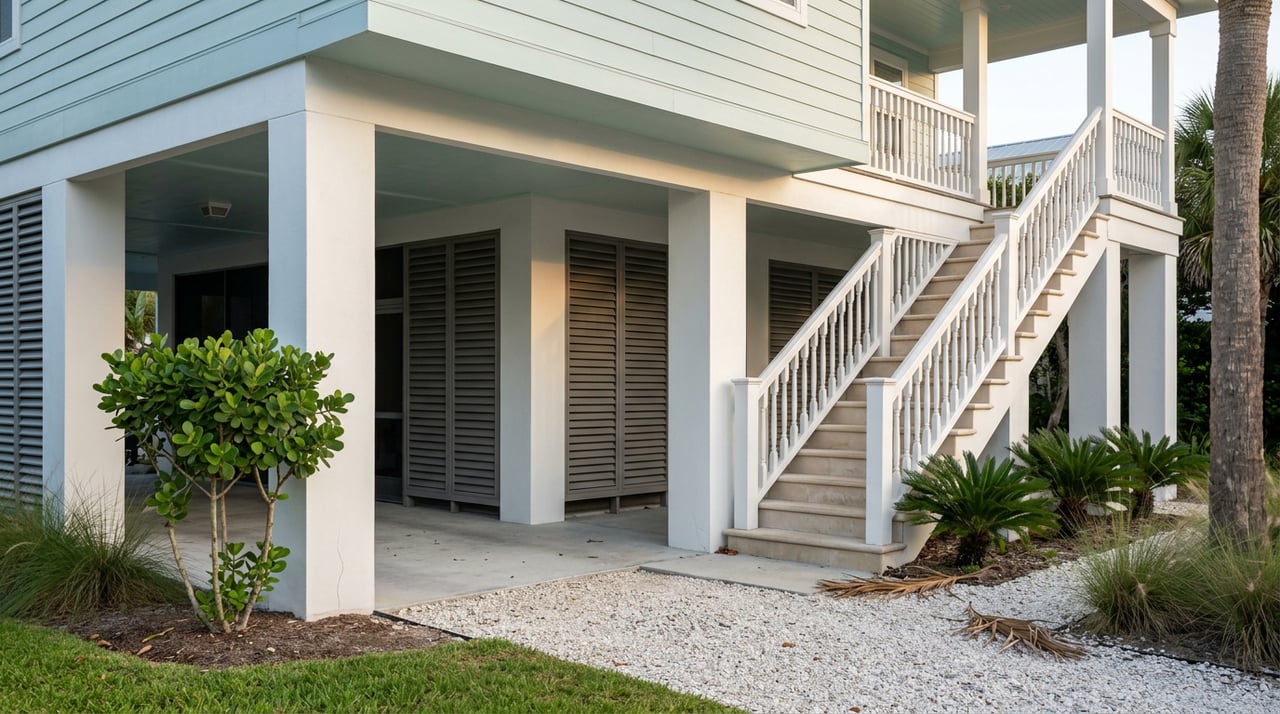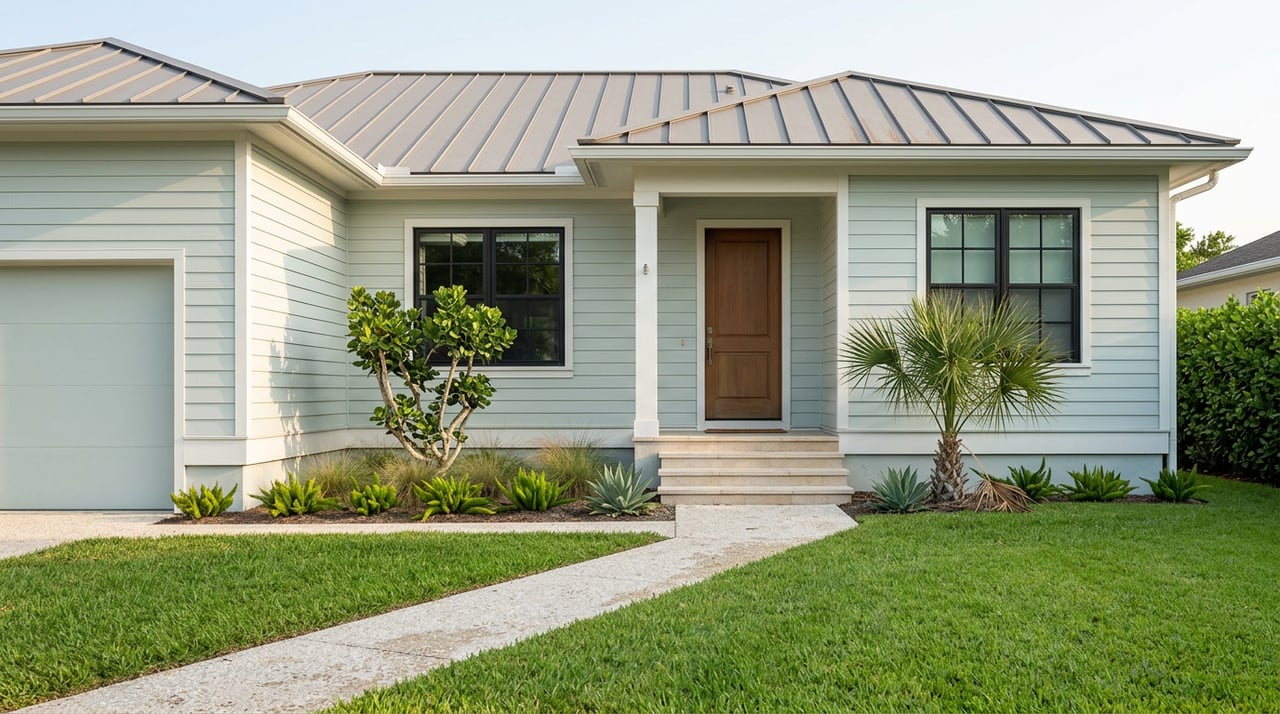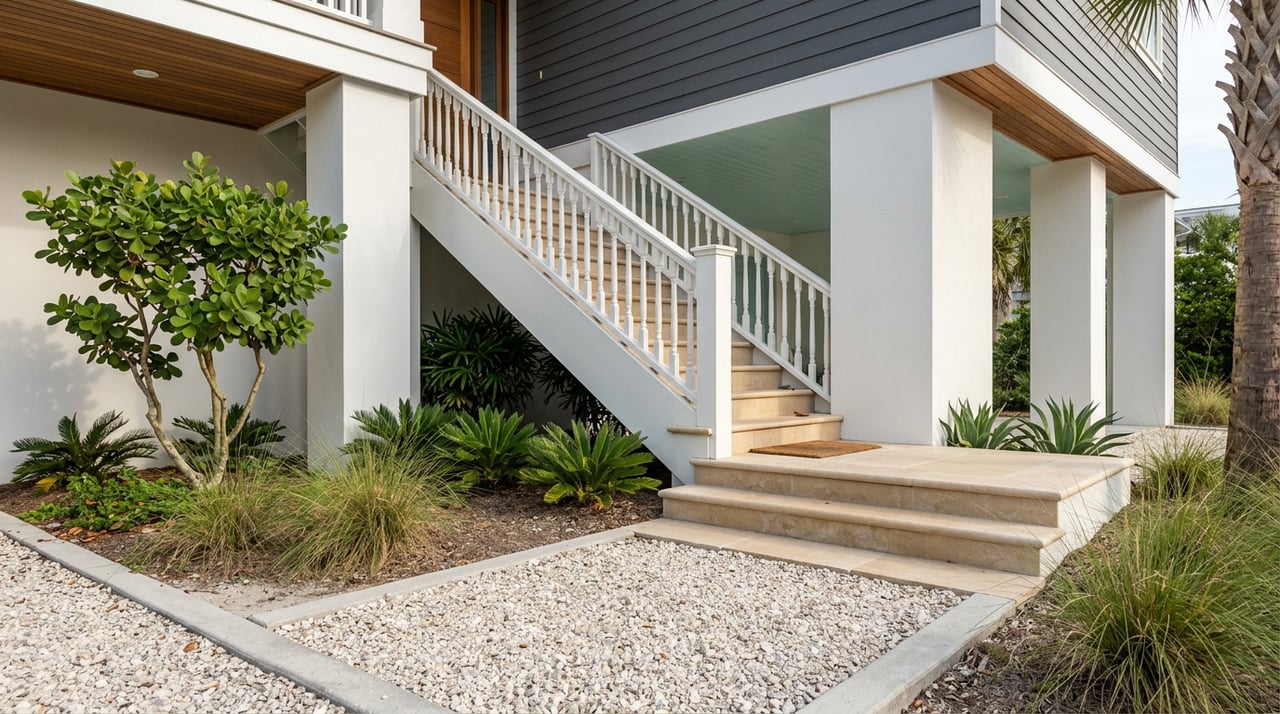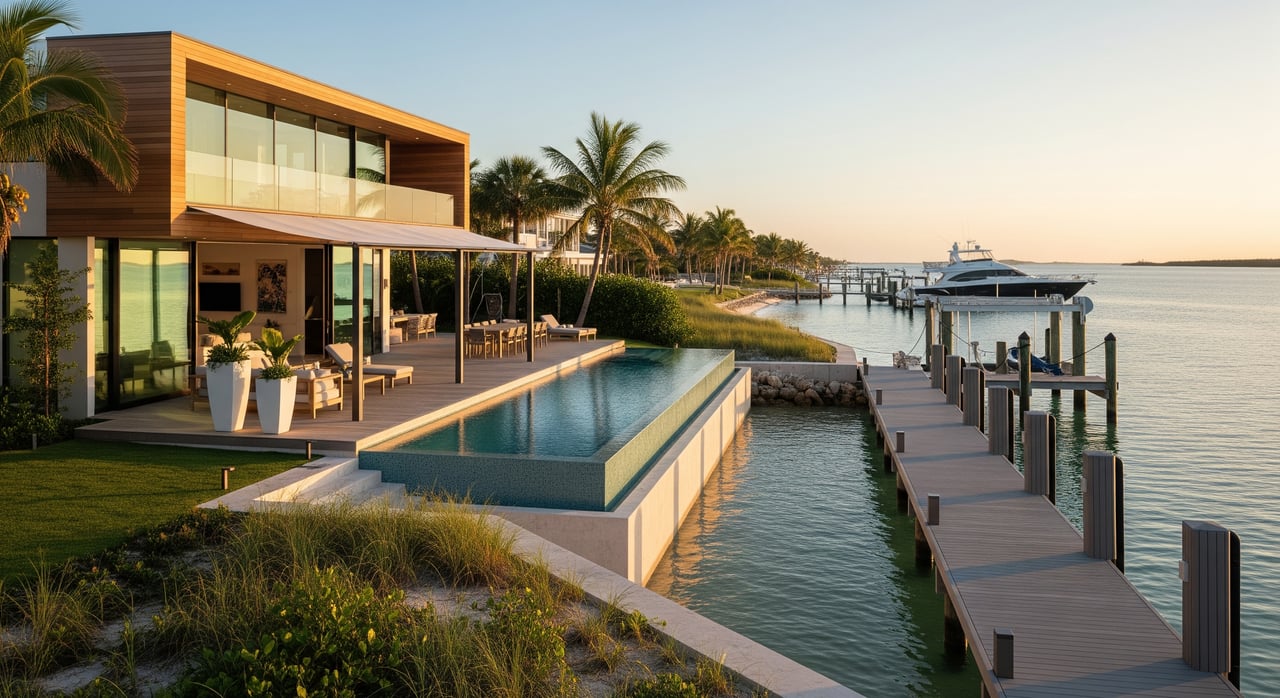
Is your heart set on waking up to the sound of gentle waves and stepping out to your own dock? You are not alone. On Anna Maria, waterfront listings are scarce and buyer demand is strong, which often means multiple offers and fast timelines. You can still win with a plan that blends local knowledge, clean terms, and smart risk management. In this guide, you will learn the exact steps we use with clients to compete with confidence, protect your interests, and close with fewer surprises. Let’s dive in.
Why bidding wars happen in Anna Maria
Anna Maria is a small barrier-island city with limited inventory and high desirability for waterfront and near-water homes. Out-of-area buyers, including second-home and vacation-home purchasers, add to the competition. Waterfront parcels also have extra layers of complexity, such as flood zones, seawalls and docks, tidal boundary questions, and local rental and permitting rules. These factors tighten timelines, affect financing, and increase the appeal of offers that show certainty and speed.
Our winning game plan
Pre-offer prep that signals certainty
Before you write a number on paper, get your file as close to “ready to close” as possible.
- Secure a full lender pre-approval, not just a quick pre-qualification. When possible, include a lender commitment letter and direct contact info.
- Gather proof of funds for your down payment, earnest money, and any appraisal-gap coverage you plan to offer.
- If a cash or partial-cash structure is feasible, explore it. If not, discuss bridge or private financing options with your lender well in advance.
- Preview seller-provided materials if available, such as a survey, elevation certificate, or permits for docks and seawalls. Fewer unknowns let you shorten timelines without taking on blind risk.
Offer terms sellers favor
Sellers of waterfront homes usually choose the offer that looks most certain and least complex.
- Consider a higher earnest money deposit to show commitment. Balance the size with your comfort level and the contract’s default provisions.
- Keep your inspection period tight, but smart. Many buyers use a brief due diligence window backed by targeted pre-offer checks for major items.
- Use an escalation clause with a firm cap if you want to stay in the hunt without overpaying. Include proof of funds and request verification standards.
- Add appraisal-gap coverage if you are financed. Unique waterfront properties can challenge appraisers due to limited comparable sales.
- Offer flexibility on timing. A quick close or a seller rent-back can matter more than a small price bump.
Appraisal and financing strategies
Waterfront homes present appraisal risk because every shoreline is unique. Address it up front.
- Pair your offer with appraisal-gap coverage up to a limit you can support with cash.
- Ask your lender about a full or early underwrite to reduce financing surprises.
- Prepare your own comparable sales package focused on waterfront attributes, and make sure your lender is ready to discuss local nuances with the appraiser.
Communication that closes gaps
Your offer should be clean, organized, and easy to say yes to.
- Present a polished, error-free packet with pre-approval, proof of funds, and lender contact details.
- Have your agent include a concise cover note that highlights your flexibility, certainty, and ability to close on the seller’s timeline.
- If you choose to share a personal note, keep it factual and focused on logistics. Sellers and their agents must comply with fair housing laws and may avoid subjective factors.
Waterfront due diligence you should not skip
Winning is not just about price. On the water, smart due diligence protects your investment and helps you bid with confidence.
Title, boundaries, and water rights
Florida waterfront parcels can include tidal boundaries and questions about who owns the land below the mean high water line. Rights to use the water, add a dock, or moor a vessel may be limited by recorded easements or require additional permits.
- Order an up-to-date boundary survey that identifies the mean high water line when applicable.
- Obtain a title commitment and review any easements, encroachments, or claims that affect access or use.
- Engage a real estate attorney experienced in Florida coastal law for any edge cases involving submerged lands or riparian rights.
Seawalls, docks, and marine structures
Seawalls, docks, and lifts are core to value and safety. Many require permits and ongoing maintenance. Older structures can be non-compliant or storm-worn.
- Schedule a marine or structural inspection for seawalls, docks, and pilings. Request maintenance records and past permits.
- Confirm whether any existing structures are grandfathered and what would be required for repair or replacement.
- Understand replacement timelines. Permitting and contractor availability can add weeks or months.
Flood zones, elevation, and insurance
Flood zones and elevation certificates drive insurance requirements and costs, especially if you finance the purchase.
- Check current flood maps and obtain an Elevation Certificate, ideally before or during your offer period.
- Discuss National Flood Insurance Program options and private flood carriers with a local insurance broker.
- Consider long-term resilience, including storm surge and erosion risk, as part of your ownership plan.
Coastal home condition
Salt air accelerates wear. Coastal homes need careful attention to structure and systems.
- Order specialized inspections: structural, roof, HVAC, wind mitigation, termite/wood-destroying organism, and mold as needed.
- Review wind mitigation reports that may reduce insurance premiums if features meet current standards.
- Evaluate roof age and fastening, window and door ratings, and any past claims history.
Short-term rental rules
Local ordinances shape rental potential and operating rules. Regulations can change.
- Verify current short-term rental rules with the City of Anna Maria and Manatee County before you rely on projected income.
- Confirm occupancy limits, permit or registration requirements, parking standards, and enforcement policies.
If you are selling: create a bidding environment
Winning as a seller means attracting multiple qualified buyers, then choosing the strongest path to closing.
Price and marketing for demand
Waterfront pricing requires precision. Underpricing can leave money on the table, while overpricing reduces urgency.
- Align price with the market and your goals. Use recent waterfront comps and on-the-water nuances.
- Present premium marketing: professional photography, drone views, and clear documentation of water access, views, and permitted structures.
- Use open houses or grouped private showings with a clear offer deadline to concentrate interest.
How to compare multiple offers
Do not look at price alone. Certainty and speed affect net proceeds.
- Require proof of funds and call the buyer’s lender to gauge strength.
- Favor offers with limited and reasonable contingencies, appraisal-gap coverage, and aligned closing dates.
- Use a “highest and best” round when appropriate to let qualified buyers refine terms on a set timeline.
Prep paperwork to reduce friction
Make it easy for buyers to say yes and stay under contract.
- Provide a recent elevation certificate if available, survey, permits for docks and seawalls, maintenance records, and property disclosures.
- Consider a pre-listing inspection to address obvious items that could derail negotiations.
- Be transparent about known defects and permit status to prevent post-offer issues.
Quick buyer checklist
- Full mortgage pre-approval and lender contact info
- Proof of funds for down payment, earnest money, and any appraisal-gap
- Marine and structural inspections for seawall, dock, and pilings
- Roof, HVAC, wind mitigation, termite, and mold inspections as warranted
- Survey confirming the mean high water line and setbacks
- Title commitment and review of easements or submerged land issues
- Flood zone check and Elevation Certificate; estimate flood insurance cost
- Strategy for earnest money size, inspection timeline, escalation, and appraisal-gap
Quick seller checklist
- Gather survey, elevation certificate, permits for seawall/dock, maintenance records, and disclosures
- Stage and photograph home with drone imagery of water access and views
- Decide on showing cadence, offer deadline, and whether to run a “highest and best” round
- Require proof of funds and lender contact; prepare an apples-to-apples comparison worksheet
- Consider a pre-listing inspection to shorten negotiations and reduce surprises
How we help you win on Anna Maria
You get more than a winning bid when you have the right team. We pair concierge service with waterfront technical expertise so you move fast without guessing.
- We coordinate the right specialists: marine inspectors, surveyors, coastal attorneys, title, lenders, and local insurance brokers.
- We tailor terms to your goals, balancing certainty and protection so you stay competitive without taking unnecessary risk.
- We manage timelines and communication, from pre-offer prep through appraisal and closing, so your path to the water stays clear.
Ready to compete for an Anna Maria waterfront home or bring one to market with confidence? Schedule a conversation with Jo-Lee Mansfield to craft your plan.
FAQs
What makes Anna Maria waterfront bids so competitive?
- Anna Maria is a small barrier-island city with limited inventory and strong out-of-area demand, which concentrates buyer interest and creates multiple-offer situations.
How do I balance a short inspection period with risk on a waterfront home?
- Use targeted pre-offer inspections for big-ticket items like seawalls, docks, roof, and termites, then keep a short but realistic contingency focused on essential protections.
Why is appraisal-gap coverage common for waterfront properties?
- Unique shoreline features and limited comparable sales can challenge appraisals; appraisal-gap coverage helps bridge lender valuation shortfalls without derailing the deal.
Do I need special inspections for seawalls and docks?
- Yes. A marine or structural inspection is strongly recommended because repairs are costly, affect safety and access, and can influence lender and insurance decisions.
What documents help sellers attract stronger offers on the water?
- Provide a recent elevation certificate if available, survey, permits and maintenance records for marine structures, disclosures, and any engineering or inspection reports to reduce buyer uncertainty.