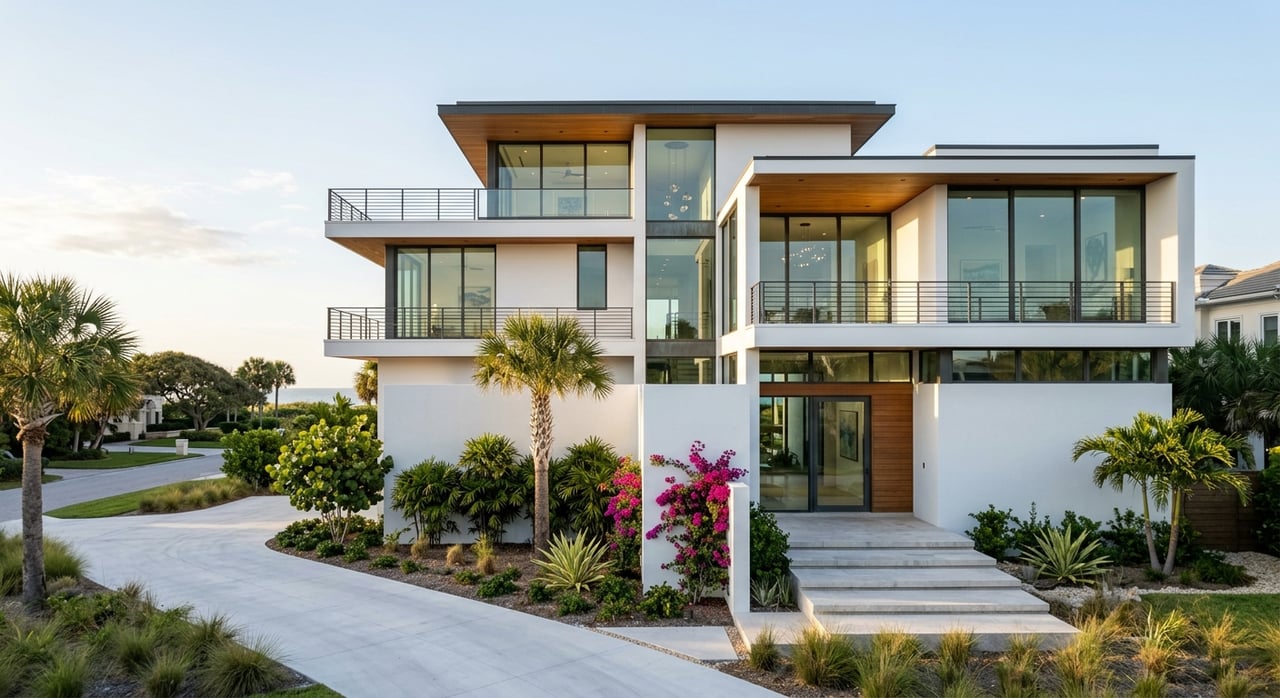
Buying a Gulf Coast home from another state can feel exciting right up until the details start stacking up. Photos look great, the view is calling your name, and you may be wondering how to make a smart decision without being here for every step. The good news is that you can buy remotely with confidence if you focus on the right checks early, understand Florida-specific costs, and stay organized from tour to closing. Let’s dive in.
Start With Your Home Goals
Before you schedule virtual tours, get clear on how you plan to use the property. A full-time move, a second home, and an investment-minded purchase can each shape your timeline, budget, and closing questions.
This matters in Florida because homestead exemption only applies when the home becomes your permanent residence. Applications are filed with the county property appraiser where the property is located, so if you are buying a second home or vacation property, you should not expect homestead treatment.
Focus on Address-Level Risk
On the Gulf Coast, remote buying is not just about choosing the right house. It is also about understanding the property’s flood exposure, insurance needs, and records before you get too far into the contract.
A listing can show beautiful interiors and water views, but it cannot replace address-level due diligence. For coastal homes, one of the smartest early steps is checking the exact property address through FEMA’s Flood Map Service Center, which is the official public source for flood-hazard information.
FEMA also notes that map information can be updated or superseded over time. That is why it helps to verify the flood designation during your buying process instead of relying on old screenshots, marketing remarks, or assumptions based on nearby homes.
Why Flood Zones Matter
If a home is in a high-risk A or V flood zone, flood insurance may be required when the mortgage is government-backed. Even in lower-risk areas, FloodSmart says flooding can still happen, and some lenders may still require flood insurance outside high-risk zones.
That is why you want flood-zone confirmation and insurance quotes early. Waiting until the last days of your contract can create avoidable stress, especially in a coastal market where insurance is a major part of the budget.
Understand Florida Insurance Early
Insurance is one of the biggest reasons an out-of-state Gulf Coast purchase needs extra diligence. Florida consumer guidance says most homeowners policies exclude flood damage, which means flood insurance is typically separate from your main homeowners policy.
Flood coverage may be available through the National Flood Insurance Program or private insurers. Florida’s consumer materials also note that NFIP flood coverage normally has a 30-day waiting period unless the policy is purchased at the same time as the home purchase or refinance.
That timing matters. If you wait too long to start the insurance process, coverage timing could affect your closing schedule.
Ask These Insurance Questions Early
When you are comparing homes, ask for:
- An early homeowners insurance quote
- A flood insurance quote when applicable
- Any available elevation certificate
- Details on prior inspections that may affect underwriting
Florida consumer guidance also highlights the four-point inspection commonly used by insurers for the roof, electrical, plumbing, and HVAC systems. If the property is in a higher-risk coastal area, an elevation certificate may also matter, and if one is not already available, a surveyor, engineer, or architect may need to complete it.
Use a Smart Remote Tour Process
Virtual tours are useful, but they work best when paired with practical follow-up questions. Instead of only asking about finishes and upgrades, ask for information that helps you understand risk, maintenance, and ownership costs.
For Gulf Coast homes, this can be especially important with waterfront and coastal properties. A strong remote-buying process should go beyond the listing photos and give you a clearer picture of the home itself and the costs tied to owning it.
What to Verify During Remote Tours
Ask for clarity on:
- Flood zone status at the property address
- Current insurance considerations
- Age and condition of major systems
- Whether inspections or reports are already available
- For condos, what association records can be shared right away
This approach helps you narrow your options based on real-world ownership factors, not just curb appeal.
Condo Purchases Need More Document Review
If you are buying a Gulf Coast condo from out of state, document review becomes even more important. Florida’s Department of Business and Professional Regulation says structural milestone inspections are required for condominiums and cooperatives of a certain age depending on their distance from the coastline.
DBPR also says structural inspection reports and reserve studies are official records that must be provided to prospective purchasers. For many associations, these records are not optional background material. They are key parts of buyer due diligence.
Condo Records to Request Early
If you are considering a condo, ask for:
- Declaration
- Bylaws
- Rules and regulations
- Current budget
- Reserve information
- Milestone-inspection reports, if applicable
- The most recent structural integrity reserve study
These records can affect both financing and your future costs. DBPR also says residential condominium associations with 25 or more units must post a broad list of records online by January 1, 2026, including budgets, board minutes, inspection reports, and reserve-study materials when applicable.
Build a Parallel Timeline
One of the easiest ways to avoid delays is to handle several workstreams at the same time. In a remote purchase, the biggest pressure points are often insurance binding, title review, missing condo documents, and notarization timing.
Instead of treating each step as separate, move them forward in parallel. That means while inspections are being scheduled, insurance quotes should be underway, title work should be in process, and condo or property records should already be under review.
A Practical Remote Buying Workflow
1. Confirm your use case
Decide whether the property will be your primary home, second home, or another type of purchase. This affects tax expectations, planning, and how you think about the property long term.
2. Tour remotely with a risk checklist
Use virtual showings to evaluate layout and lifestyle fit, but also ask for flood-zone checks, insurance context, and available records tied to the address.
3. Request documents early
For single-family homes, this may include prior inspections or property-related records. For condos, it should include the association documents and inspection materials discussed above.
4. Order inspections and insurance together
Do not wait until one is done to begin the other. Florida-specific insurance issues can take time, and inspection findings may affect underwriting.
5. Review title and closing costs early
Florida consumer guidance explains that title agents check for issues like liens, unpaid taxes, easements, and undisclosed claims. This is one of the most important protections in a remote purchase.
6. Plan for remote signing
Florida law authorizes online notarizations through audio-video communication. A Florida online notary can perform notarial acts even when the signer and witnesses are in other states, which is what makes many remote Florida closings possible.
Know the Florida Closing Costs
Out-of-state buyers are often surprised by Florida-specific closing items if they do not ask for estimates early. One of the clearest examples is documentary stamp tax on deeds that transfer an interest in Florida real property.
The Florida Department of Revenue says deeds are generally subject to documentary stamp tax at $0.70 per $100 of consideration. If you are financing, there can also be additional documentary stamp treatment tied to the mortgage note, so it is wise to request a Florida closing statement early in the process.
This does not need to turn into a tax lesson. You simply want to know your likely numbers before signing day so there are no surprises.
What Can Delay a Remote Closing
Most remote closings do not fall apart because of the offer itself. They get delayed when one of the key support pieces starts too late or uncovers an issue that needs more review.
The most common pressure points are:
- Insurance binding and flood coverage timing
- Title issues such as liens or unpaid taxes
- Missing condo records or inspection reports
- Scheduling the notarization correctly
When you know these are the likely bottlenecks, you can build a calmer and more predictable process from the start.
Why Local Guidance Matters on the Gulf Coast
Buying coastal property from out of state is not just a paperwork exercise. You are making decisions about flood exposure, insurance structure, property records, and future ownership costs, often without seeing every detail in person.
That is where local Gulf Coast guidance can make the experience smoother. When your process is organized around early risk checks, document review, and coordinated closing steps, you are far more likely to make a confident decision that fits the lifestyle you want.
If you are planning a move, searching for a second home, or narrowing down waterfront and condo options along the Gulf Coast, a clear step-by-step plan can save time and reduce surprises. When you are ready for concierge guidance tailored to your goals, Jo-Lee Mansfield can help you navigate the process with local insight and personalized support.
FAQs
Can you buy a Gulf Coast home from out of state without traveling to Florida?
- Yes. Florida law allows online notarizations through audio-video communication, which supports many remote closings when the contract, title, insurance, and signing process are coordinated properly.
How can you check flood risk for a Gulf Coast property address?
- Use FEMA’s Flood Map Service Center to review the specific property address, then confirm any lender insurance requirements because map information can change over time.
What insurance should out-of-state Gulf Coast homebuyers ask about first?
- Start with homeowners insurance and flood insurance. Florida consumer guidance says most homeowners policies exclude flood damage, and NFIP coverage normally has a 30-day waiting period unless purchased at the same time as the home purchase or refinance.
What documents should you request when buying a Gulf Coast condo remotely?
- Ask for the declaration, bylaws, rules, budget, reserve information, milestone-inspection reports if applicable, and the most recent structural integrity reserve study.
What Florida closing cost should out-of-state Gulf Coast buyers expect?
- Florida buyers should ask about documentary stamp tax early. The Florida Department of Revenue says deeds that transfer an interest in Florida real property are generally taxed at $0.70 per $100 of consideration.
Does homestead exemption apply to a Gulf Coast second home?
- No. Florida homestead exemption applies when the property is your permanent residence, and applications are filed with the county property appraiser where the home is located.