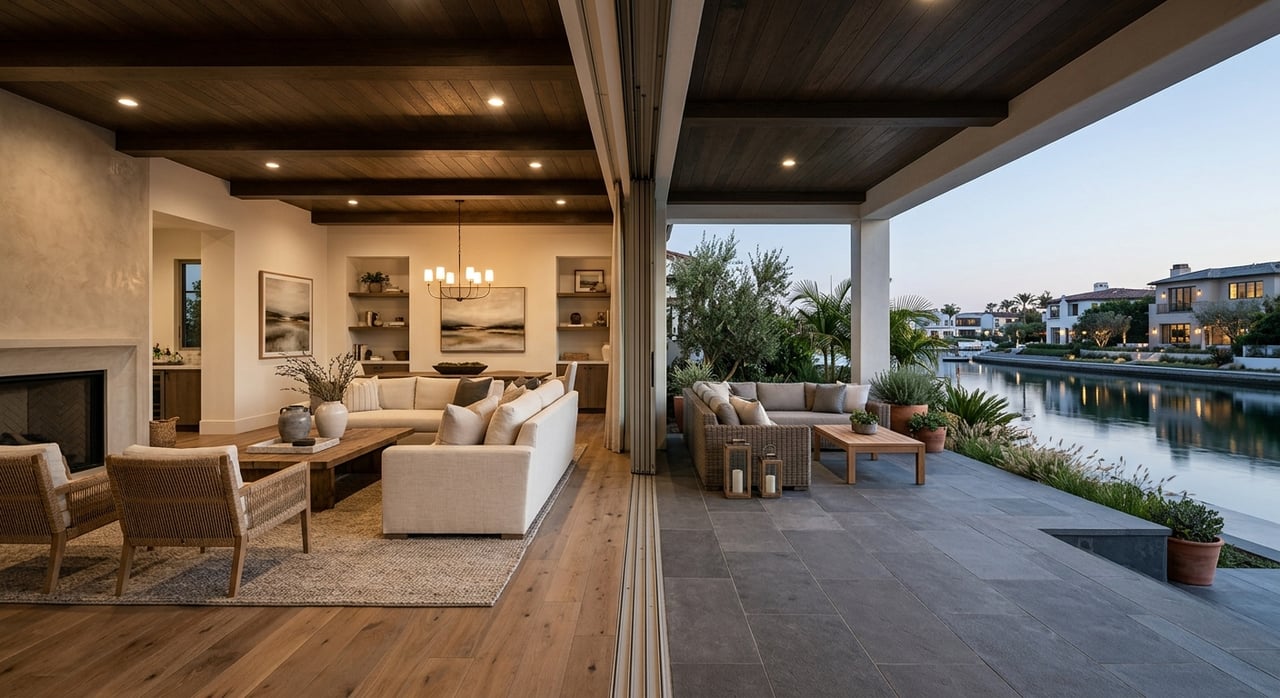
If you are dreaming about building on the water in Bradenton, it helps to know this early: a beautiful lot is not always a simple lot. Waterfront new construction can involve flood-zone review, setbacks, easements, utilities, and separate permits for shoreline improvements before you ever pour a foundation. The good news is that with the right planning, you can avoid expensive surprises and make smarter decisions from day one. Let’s dive in.
Start With Jurisdiction
One of the first questions to answer is whether your lot sits inside Bradenton city limits or in unincorporated Manatee County. That single detail affects which permit office handles your project and what review path you will follow.
The City of Bradenton offers online permitting, electronic plan review, inspections, and floodplain management services. In unincorporated areas, Manatee County land-development rules and online permit systems guide the process. Before you design anything, confirm exactly which jurisdiction governs the property.
Check Flood Risk Early
On a waterfront lot, flood planning is not a side issue. It is one of the main factors shaping your design, budget, and timeline.
Manatee County advises buyers and owners to review flood zone information, base flood elevation, and available elevation certificates or flood determinations. A, AE, and VE zones are considered high-risk, and federally funded or insured mortgages in Special Flood Hazard Areas require flood insurance. Even lots in X zones can still face flood risk, so it is worth reviewing the property carefully before you move too far into design.
Some bayside Coastal Barrier Resource System areas may not allow flood insurance for new construction. That makes early due diligence especially important if you are evaluating lots with bay frontage or similar exposure. A flood strategy should be part of your planning from the start, not something you revisit later.
Understand the Real Buildable Area
A waterfront lot can look generous on paper and still offer a tighter building envelope than expected. Setbacks, easements, and buffers can all reduce where the home and site improvements can actually go.
Manatee County states that setbacks are measured from the property line, and structures cannot be placed in easements or buffers. On narrower waterfront parcels, that can significantly affect your footprint, pool layout, garage placement, or outdoor living design.
This is one reason lot selection matters just as much as house design. If you want features like broad terraces, a pool, or a larger garage, you need to know early whether the lot can legally support them.
Review Wetlands and Environmental Constraints
Some waterfront lots come with environmental conditions that limit how the property can be developed. These issues may not be obvious when you first walk the site.
Manatee County notes that parcels created after adoption of the Comprehensive Plan are subject to wetland protection policies. Environmental Planning staff reviews development proposals and also tracks erosion-control measures such as silt-fence placement.
In practical terms, this means your site plan may need to account for protected areas, review comments, or added construction controls. If wetlands or related environmental constraints affect the parcel, they can influence both timeline and usable yard area.
Plan Waterfront Features Separately
If your vision includes a dock, seawall, or rip rap, treat those improvements as their own planning track. They are regulated and may require more than one approval.
Manatee County says waterfront or erosion-control structures generally require an administrative permit. Some projects also need separate approvals from the Army Corps of Engineers, the Florida Department of Environmental Protection, or the Southwest Florida Water Management District before work begins.
That matters because a lot that supports a home does not automatically support every waterfront feature you may want. If boating access or shoreline stabilization is important to your lifestyle goals, check feasibility before finalizing the purchase or design.
Confirm Utility Tie-Ins Before Design
Utilities are easy to overlook when the focus is on views and floor plans, but they can affect cost and layout. Before design is locked, confirm how the property will connect to needed services.
In unincorporated Manatee County, county utilities provide potable water, wastewater, and reclaimed water, and the utilities map also shows infrastructure such as fiber, traffic, and lighting networks. Reviewing the utility tie-in path early can help you avoid redesigns later.
For waterfront new construction, this step is especially important because lot conditions, access points, and site constraints can shape how utilities reach the home. It is much easier to solve these questions before plans are fully engineered.
Expect a Phased Permit Timeline
One of the biggest mistakes buyers make is assuming there will be one clean, fixed build schedule. Waterfront construction usually moves in phases, and approvals can add time at several points.
Both the City of Bradenton and Manatee County use online permit workflows for applications, uploads, status tracking, and review comments. County guidance explains that issues must be corrected before approval, while some conditions may stay open during construction and be cleared before the Certificate of Occupancy or Certificate of Completion.
Floodplain review, permit completeness checks, revisions, and outside-agency approvals can all affect timing. That is why it is smarter to plan in stages instead of anchoring expectations to a single finish date.
Private Providers in Manatee County
Manatee County allows owners to use private providers for new construction, additions, and alterations. If that route is used, the owner must notify the Building Division at permit filing for plan review and before the first inspection for inspections.
Private providers only handle Florida Building Code compliance. They do not replace county review for zoning, stormwater, fire, transportation, or local municipal codes, and county review still applies in FEMA Special Flood Hazard Areas.
Permit Expiration and Closeout
County permits expire after 180 days if no required inspections have been approved. If a permit becomes null and void, the county may require a new permit, a demolition permit, or an extension requested before expiration.
To receive a Certificate of Occupancy or Certificate of Completion, all final inspections must pass, holds must be released, and fees must be paid. Keeping the file active and organized is an important part of staying on schedule.
Budget for Fees Beyond Construction
Your build budget should include more than land, design, and construction costs. Local fees can play a meaningful role in your total project cost.
In unincorporated Manatee County, impact fees are a one-time charge on new construction and are generally calculated from climate-controlled square footage. These are due before the Certificate of Occupancy or Certificate of Completion, while facility investment fees are due before the building permit is issued.
There is another timing detail to know. If a permit extension is requested before impact fees are paid, the fee can be reassessed at the rate in effect when the extension is requested.
Build to Today’s Code Baseline
Your plans should align with the current statewide code baseline. In Florida, that means the Florida Building Code, 8th Edition (2023), which took effect on December 31, 2023.
This code baseline matters for structural design, compliance, and overall project planning. For waterfront homes in particular, current code expectations should be part of early conversations with your builder and design team.
Choose Upgrades That Are Hard to Add Later
When you are deciding where to invest, the smartest dollars often go toward items that are difficult to retrofit after the home is complete. On a Bradenton waterfront property, those choices usually connect directly to site constraints and regulation.
A practical planning approach is to prioritize site fit, elevation and flood strategy, dock or seawall feasibility, durable exterior materials, and flexible outdoor living space. These are often the features most closely tied to the lot itself and the approval process.
In other words, spend carefully on the parts of the property that are hardest to change later. Finishes can be updated over time, but lot limitations and waterfront approvals are much less flexible.
Why Local Guidance Matters
A waterfront build involves more moving parts than many buyers expect. You may be balancing jurisdiction checks, flood-zone verification, digital plan submissions, utility questions, shoreline approvals, inspections, and final closeout requirements.
That is why experienced local guidance can be valuable, especially if you are buying from out of state or building a second home. A representative with waterfront and builder experience can help you ask better questions, coordinate moving pieces, and keep the process clearer from lot search through completion.
Building on the water should feel exciting, not overwhelming. With the right planning, you can protect your budget, reduce surprises, and create a home that fits both your property and your lifestyle. If you are exploring a waterfront lot or preparing for new construction in Bradenton, Jo-Lee Mansfield can help you navigate the process with local insight and concierge-level support.
FAQs
What should you verify first for a Bradenton waterfront build lot?
- Confirm whether the property is inside Bradenton city limits or in unincorporated Manatee County, because that determines the permit office and review path.
What flood questions matter for Bradenton waterfront new construction?
- You should verify the flood zone, base flood elevation, and any available elevation certificates or flood determinations, since these can affect design decisions, insurance requirements, and planning.
What can reduce the buildable area on a Manatee County waterfront lot?
- Setbacks, easements, buffers, wetlands, and utility constraints can all reduce the usable footprint, even when the lot appears large.
Do docks and seawalls need separate approval in Manatee County?
- Yes. Waterfront and erosion-control structures such as docks, seawalls, and rip rap generally require an administrative permit, and some projects also need approvals from other agencies before construction begins.
How do permit timelines work for Bradenton waterfront construction?
- It is best to plan in phases, because completeness review, floodplain review, revisions, inspections, and outside-agency permits can all affect timing.
What fees should you expect for new construction in unincorporated Manatee County?
- Impact fees are generally based on climate-controlled square footage and are due before CO or COC, while facility investment fees are due before the building permit is issued.
What happens if a Manatee County building permit sits too long?
- If no required inspections are approved within 180 days, the permit can expire, which may lead to a new permit, a demolition permit, or the need to request an extension before expiration.
What upgrades are often smartest on a Bradenton waterfront lot?
- A practical planning focus is usually on site fit, elevation and flood strategy, dock or seawall feasibility, durable exterior materials, and flexible outdoor living space because those items are harder to retrofit later.