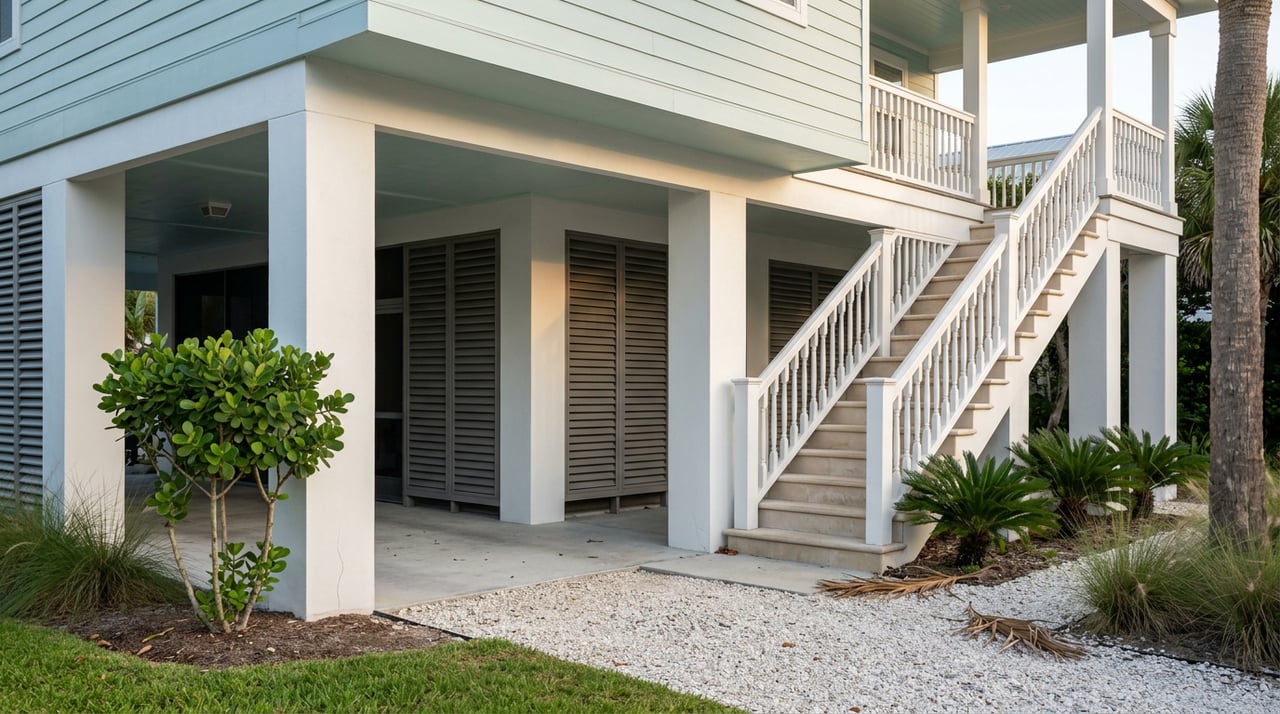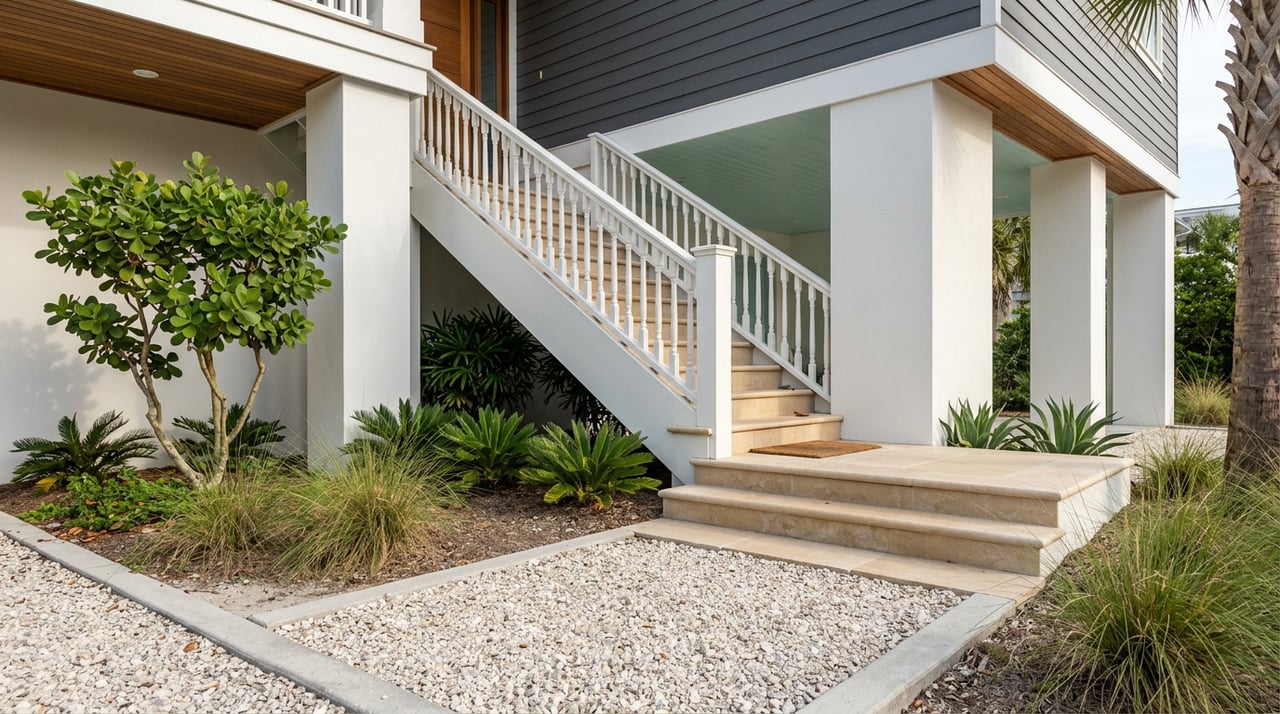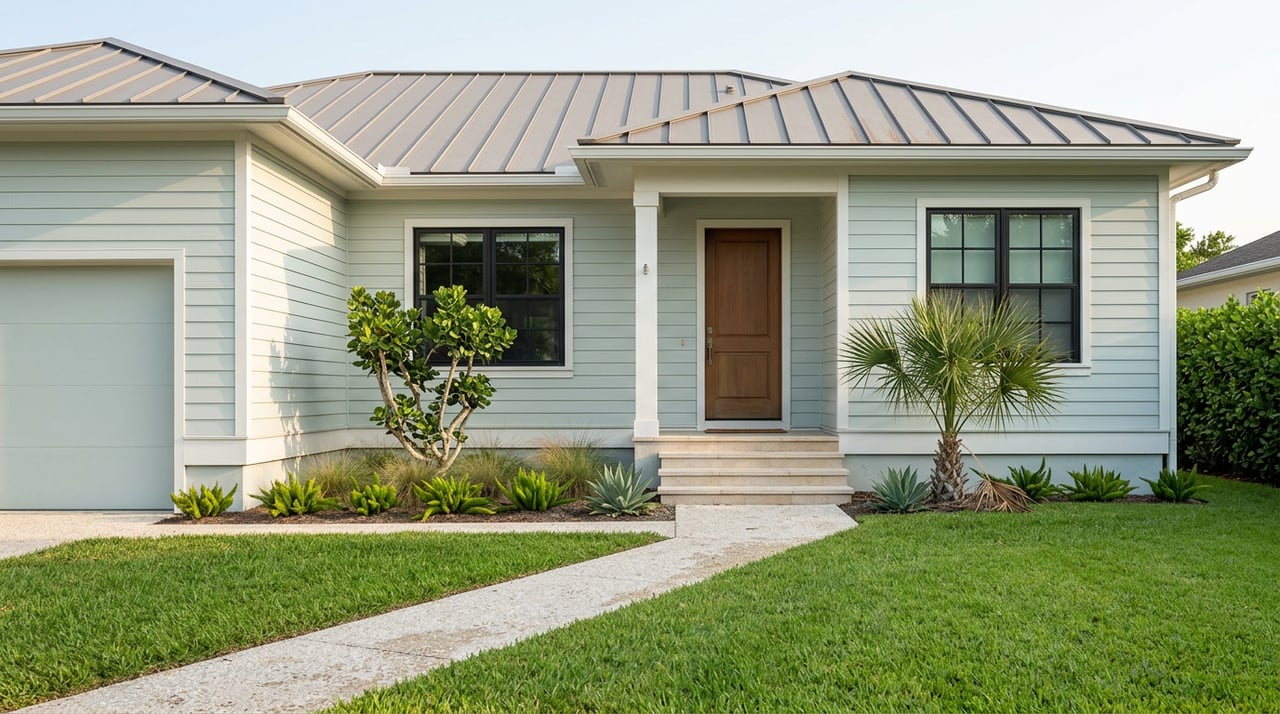
Every few weeks, the same conversation happens on a call with a Gulf Coast buyer. They've done the homework: comparable listings pulled up, price per square foot memorized, days on market bookmarked. Then the insurance quote comes back and the math falls apart. A $650,000 canal home in west Bradenton and a $650,000 new build fifteen minutes inland in Parrish were never really the same purchase. The gap was hiding in a line item most buyers don't price until they're already under contract.
That gap matters more this year than it has in a while, because 2026 is the first year in a decade that the insurance headlines are actually good news. The trouble is that good news, reported as a statewide average, tells you almost nothing about what a specific address on Anna Maria Island or in Palmetto will actually cost to insure.
The Good News Is Real, and It's Not the Whole Story
In December 2025, Citizens Property Insurance Corporation's board recommended cutting rates for personal lines policyholders for the first time since 2015, an initial average decrease of 2.6 percent. The Office of Insurance Regulation reviewed the filing and came back with something bigger: Citizens' homeowners multiperil rates dropped by an average of 8.8 percent for 2026, with wind-only policies seeing a 5.5 percent reduction and every personal lines policyholder guaranteed at least a 2 percent cut. The new rates took effect July 1, 2026 for new policies, with existing policyholders seeing the change at their next renewal.
That follows a broader retreat that's been underway since 2023. Citizens' statewide policy count peaked at 1.42 million in October 2023. By the end of 2025 it had fallen to about 385,000, a drop of roughly 73 percent, as more than 546,000 policies moved to private carriers through last year's depopulation program. On paper, that's exactly the trend a buyer wants to see: the state's insurer of last resort shrinking as private companies compete for business again.
What's Left in Manatee County Tells the Real Story
Here's where the average stops being useful. As of May 31, 2026, Citizens carried roughly 5,700 personal residential policies in Manatee County, split between about 5,285 multiperil policies covering roughly $843 million in exposure and 366 wind-only policies covering about $154 million. That count keeps falling month over month, which sounds like more good news until you ask which properties are leaving Citizens first.
Private carriers are picking up the easiest risk to insure: newer roofs, documented wind mitigation, inland addresses away from surge exposure. What tends to stay behind, or moves more slowly, leans toward older homes and addresses where flood and wind exposure don't improve no matter how competitive the private market gets. Barrier island and river-adjacent addresses carry surge and flood considerations that an inland Parrish or Lakewood Ranch quote simply doesn't have to price in.
What the Same List Price Actually Costs to Insure
Two Manatee County homes at an identical list price can carry very different annual carrying costs depending on where they sit. Here's how that breaks down across the submarkets buyers are actually comparing:
| Submarket | Typical annual homeowners premium | Flood insurance |
|---|---|---|
| East Bradenton / Parrish, inland | $2,200 to $3,800 | Usually not required (Zone X) |
| West Bradenton / Palmetto, near coast or in a mapped flood zone | $4,000 to $8,000+ | Typically required |
| Longboat Key and comparable Gulf-front barrier islands, $500K dwelling | $6,500 to $9,500 | Required, often above NFIP's $250,000 cap |
The delta between an inland Parrish policy and a comparable barrier island policy can run $3,000 to $6,000 a year before flood coverage is even added. Over a ten-year hold, that's tens of thousands of dollars that never appears in the side-by-side comparison a portal search hands you. Anna Maria Island follows the same pattern for the same reasons, though the exact premium on any one house there depends on its specific flood zone and elevation certificate rather than the island as a whole. It only shows up once you request an actual quote on the actual address.
The Deductible Nobody Quotes Upfront
Annual premium is only half the exposure. The hurricane deductible on most Florida homeowners policies runs 2 to 5 percent of dwelling coverage, and it applies per storm event, not per year. On a $500,000 dwelling, that's $10,000 to $25,000 out of pocket for a single named storm, and it resets with the next one. Two homes with similar-looking annual premiums can have very different deductible structures, and that difference tends to surface only after a storm, which is the worst possible time to discover it.
Why 2024 Still Shows Up in a 2026 Quote
Hurricane Helene's storm surge destroyed 594 structures on the Manatee County mainland and caused more than $350 million in damage in unincorporated parts of the county in 2024. County officials estimated that 90 to 95 percent of Bradenton Beach sustained damage.
Carriers price risk using loss history and reinsurance models that look backward, not just at current-year weather. Debby, Helene, and Milton all touched Manatee County within a matter of months in 2024, layering wind, riverine, and surge losses onto the same properties. That combined history is a real reason some barrier island and low-lying mainland zones haven't felt the same relief as inland Parrish or Lakewood Ranch, even with a statewide rate cut in the headlines.
The One Lever a Buyer Actually Controls
Location and storm history are fixed. Construction detail is not, and it's the one variable a buyer can act on before writing an offer.
- Order a wind mitigation inspection before you offer, not after. The report is documented on the OIR-B1-1802 form, it's valid for five years, and Florida law requires carriers to honor the credits it uncovers for features like roof-to-wall connections and opening protection.
- Ask the seller for an existing report. If the home was inspected within the last five years, it may already qualify and save you the appointment.
- Price flood insurance separately, every time. A standard Florida homeowners policy never covers flood damage. That coverage comes from the National Flood Insurance Program or a private flood carrier, and it is never automatically bundled into a homeowners quote.
- Check the flood zone before the layout wins you over. Manatee County's flood zone information tool lets you search by address before you're emotionally attached to a house.
The Deadline That Changes the Math for Anyone Still on Citizens
There's one more date worth knowing if the home you're considering is currently insured through Citizens. Every remaining Citizens personal residential wind policy is required to carry flood coverage by January 1, 2027. For a buyer eyeing an older home on Anna Maria Island or in Bradenton Beach that's still on a wind-only Citizens policy, that flood premium is coming regardless of whether the current owner has priced it into their monthly budget. It belongs in your offer-stage math, not a surprise at next year's renewal.
Quick Answers
Does the 2026 rate cut mean every Gulf Coast policy is getting cheaper? No. The 8.8 percent figure is a statewide average for Citizens' homeowners multiperil policyholders, and wind-only policies saw a smaller 5.5 percent cut. Individual quotes still depend on roof age, construction, flood zone, and which carriers are actively writing in that specific ZIP code.
What's the fastest way to know what a specific address will really cost to insure? Get a quote on the exact address before you write an offer. Flood zone, elevation, and roof condition change the number enough that a neighborhood average is closer to a guess than a budget.
Is flood insurance required everywhere on the Gulf Coast? It's federally required for mortgaged properties in mapped high-risk zones (A, AE, VE, or Floodway). It's optional but often wise elsewhere: roughly a fifth to a quarter of flood claims nationally come from properties outside those high-risk zones, and about a third of federal flood disaster assistance goes to homes that were never in a mapped zone to begin with.
The submarket comparisons buyers do on price alone are missing a real number, and that number moves depending on flood zone, roof age, and which carriers are still writing policies in a given ZIP code this month. Working through those specifics on a Gulf Coast property, waterfront or otherwise, is exactly the kind of detail that belongs in a conversation before you write an offer, not after. If you're weighing Manatee County submarkets and want the insurance math run on a specific address before you fall for the layout, Costa Living is glad to help. Schedule a free consultation and let's look at the real numbers together.