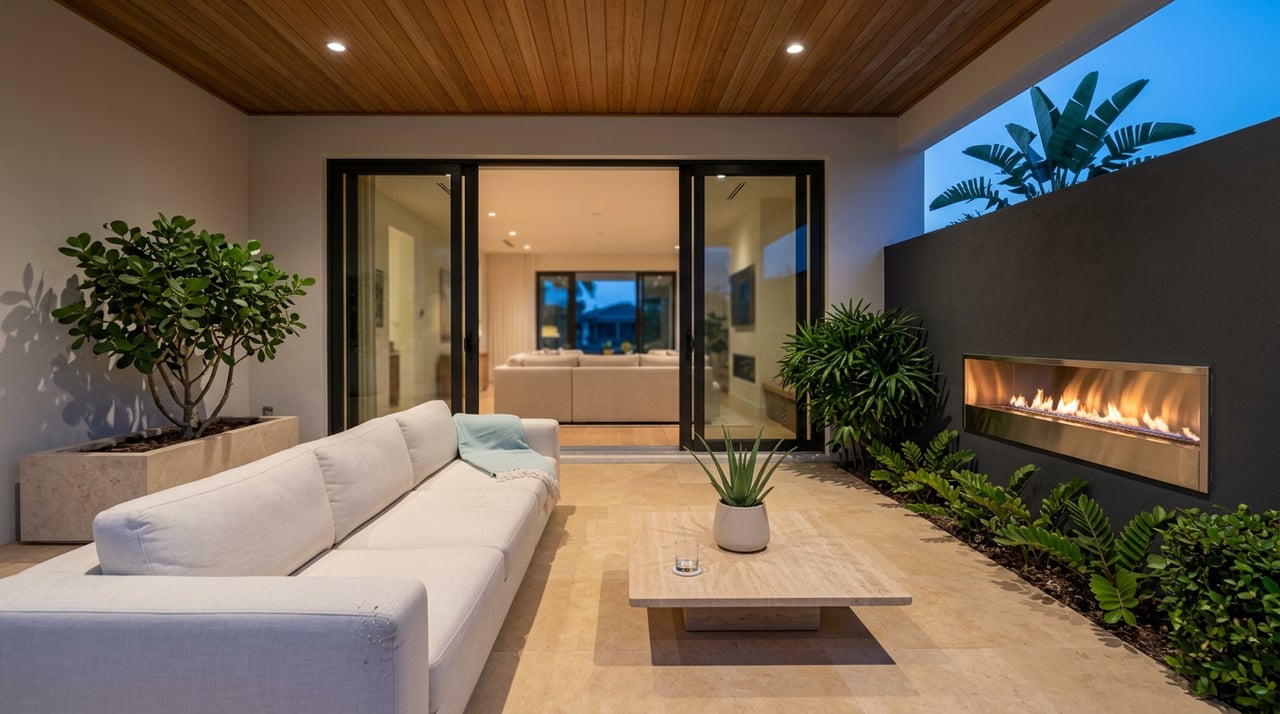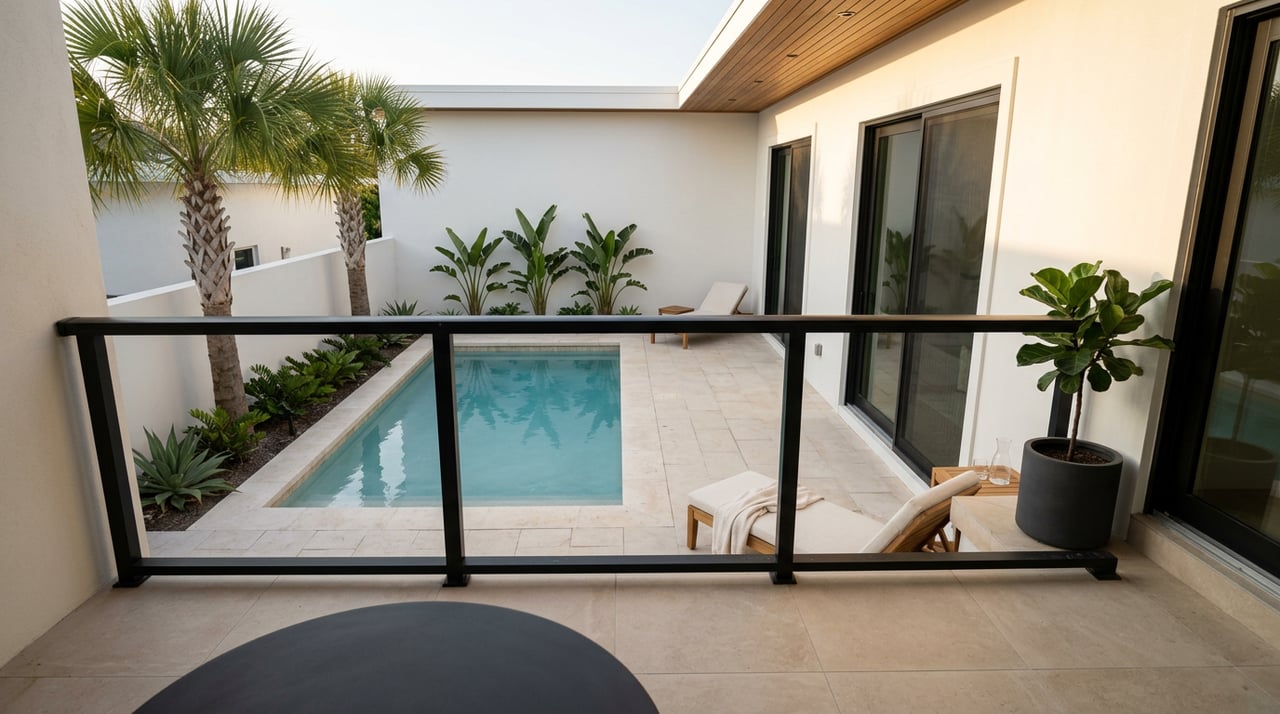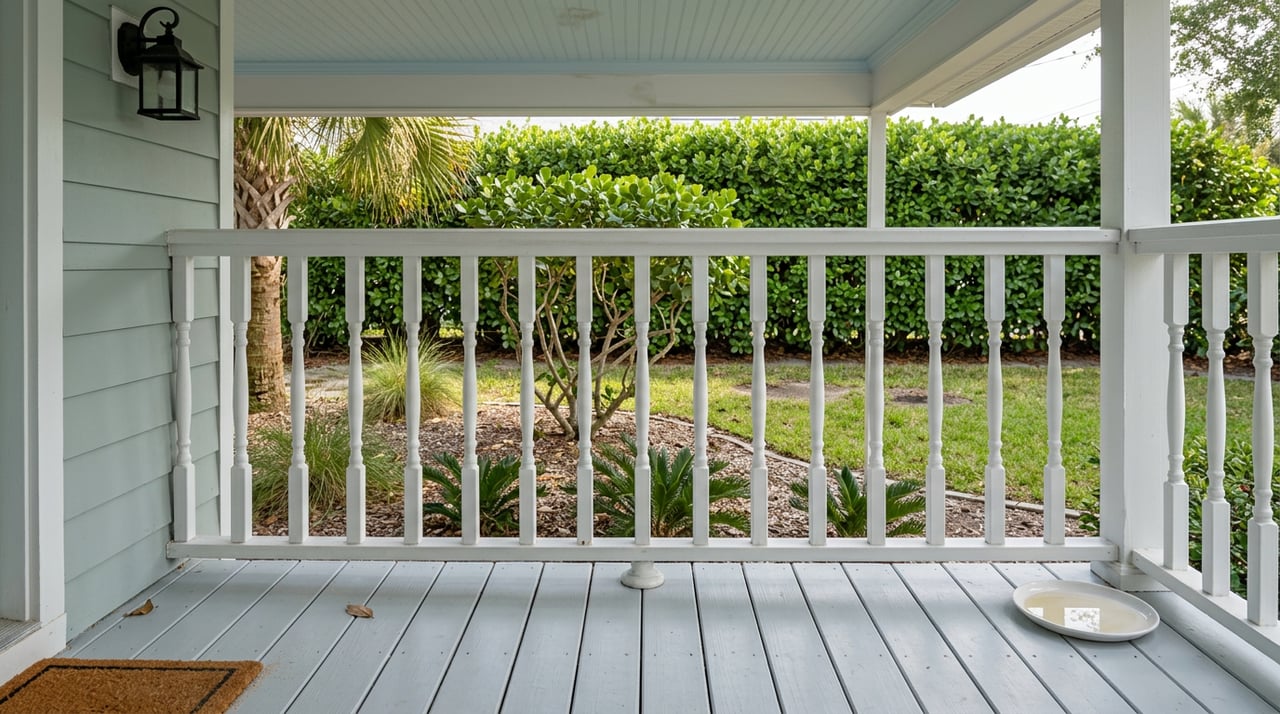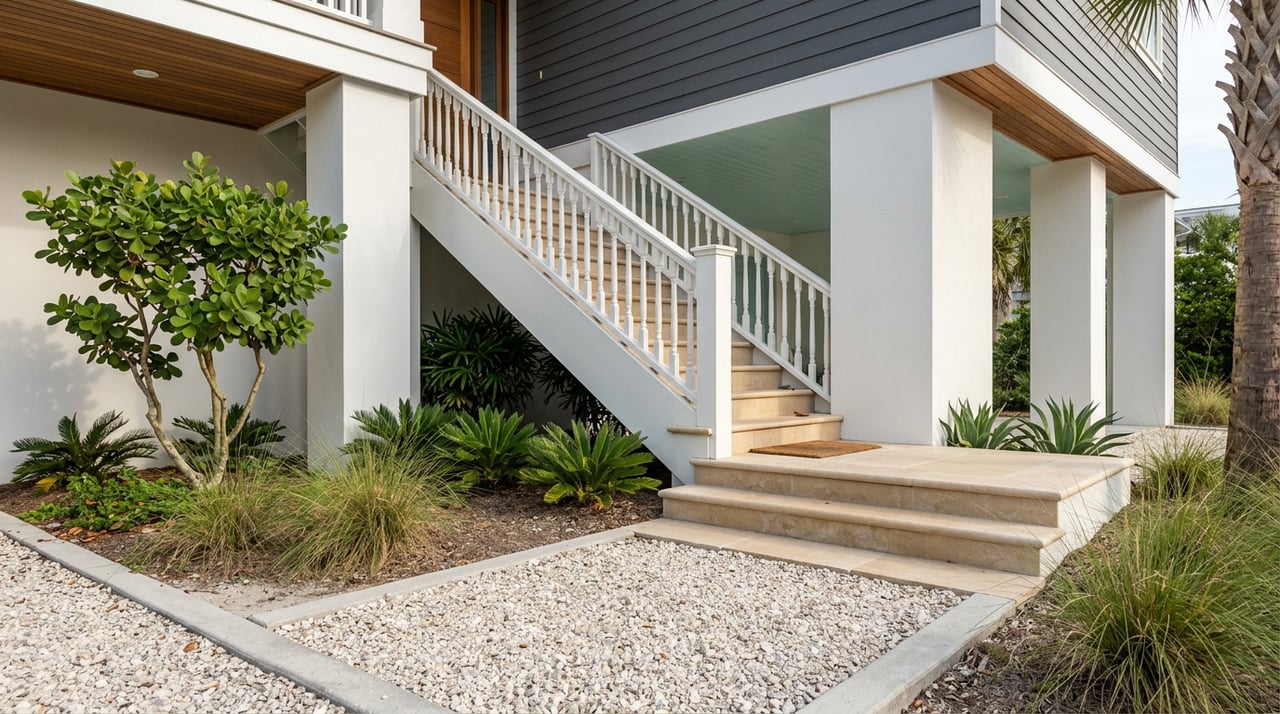
Two three-bedroom homes list within three blocks of each other on Anna Maria Island this month. Both ask a shade under $2 million. One is under contract in eleven days. The other has been sitting since Presidents' Day. Same island, same price band, same square footage on paper. The gap between them is the entire story of the 2026 market, and it isn't showing up in the median.
The headline number gets recycled across every portal. Zillow's typical value sits at $2,148,419 with values down 7.2% year over year. Redfin logged a February 2026 median of $1.6M with an average 174 days on market. Both are technically correct, and both obscure what is actually happening on the island right now: the market has split into two tracks, and the separator isn't list price. It's what the house costs to own after you close.
The Median Is Hiding Two Markets
Galletto Team's May 2026 update, which tracks the local MLS more granularly than the national portals, shows inventory absorption dropping from 11.4 months in December 2025 to 8.5 months in May 2026. That's a 25% swing toward the ten-year island average of 8.1 months. Twenty-one single-family homes sold in May 2026, compared to eighteen in May 2025. Condo closings rose from ten to fifteen year over year. On absorption alone, the island is normalizing.
But look inside the sold data. In May 2026, 37% of single-family closings landed under $2M, up meaningfully from earlier in the year when sales concentrated in the $3M–$5M band. That isn't a price drop. It's a mix shift. The homes that are actually trading are the ones buyers can carry without wincing, and buyers are defining "can carry" very differently than they did in 2022.
| Track | Typical Ask | Time to Contract | What's Driving It |
|---|---|---|---|
| Elevated, post-2020 build, storm-hardened | $1.5M–$2.5M sweet spot | Often under 60 days | Insurable, financeable, rentable |
| Ground-level, pre-code, damage history | Discounted 10%–20% | 100+ days, price cuts common | Insurance uncertainty, permit drag |
The islandwide "days on market" figure of 111 days as of March 2026 is a weighted average of both tracks. Neither track actually behaves like the average.
Why Carrying Cost Is the Real Price Tag
Here is the mechanism the median hides. Under FEMA's Risk Rating 2.0, flood insurance on most Anna Maria Island waterfront parcels now runs $4,000 to $12,000 annually. Add wind, liability, umbrella, taxes, HOA where applicable, and the annual carrying cost on a median-priced island home clears $30,000 before the mortgage. On a ground-level pre-code structure, private carriers are often unwilling to write at all, which pushes owners into Citizens Property Insurance and narrows the exit pool when it comes time to sell.
Rebuild economics have moved in the same direction. Compliant elevated construction on the island runs $350 to $500 per square foot in the current labor and material environment, and new spec homes with hurricane-resistant features are trading at $1,200 to $1,500 per foot. A buyer looking at a tired $1.8M ground-level cottage isn't really comparing it to a $2.2M elevated build. They're comparing $1.8M plus a decade of insurance friction and a potential teardown decision, to $2.2M with a policy in hand and a rental history already documented.
That math is why the sweet spot has migrated. It's also why sellers who priced against 2022 comps are watching listings age into their fifth quarter.
What "The Market Is Turning" Actually Means
There is a difference between prices turning and inventory turning. Prices are still soft. HousingWire reported that North Port-Sarasota-Bradenton logged a 7.54% year-over-year decline through January 2026, one of the four steepest corrections in the country, and Zillow forecasts a roughly flat 2026 for the region. Anna Maria Island sits inside that metro, and its 7% pullback tracks the broader story.
What's turning is throughput. Pending activity on the island rose sharply in Q1, condo demand is running well ahead of last year, and inventory has held near 358 to 376 active listings for five straight months without ballooning. That's not a recovery signal in the "prices are about to rip" sense. It's a signal that the buyer pool is finally clearing the properties that meet the new underwriting bar. Everything else is a stalemate.
For a buyer, that means the negotiation lever isn't "the market is soft, offer 15% under." It's "this specific property carries three risks the elevated comp doesn't, and I need those priced in." Sellers who understand the distinction close. Sellers who don't, sit.
The Diligence Sequence That Actually Protects the Deal
The Florida Realtors/Florida Bar AS IS contract runs a tight inspection window, and on this island the sequence matters more than the checklist. In order:
- Pull the elevation certificate before you write the offer. Not after. The certificate tells you exactly where the finished floor sits relative to base flood elevation. The insurance premium follows from that number. Writing an offer without it is writing an offer without the actual price.
- Get a real insurance quote in parallel, not sequentially. Bind-ready quotes on Anna Maria Island can take two weeks. If you wait until you're under contract to shop, you burn your inspection period on paperwork.
- Pull permit records back to October 2024. Any property that changed hands, was rebuilt, or was repaired after Hurricane Milton should have a paper trail. Missing or open permits are the single most common reason cash-buyer deals fall apart on the island in 2026.
- Confirm short-term rental compliance before you assume the pro forma. The City of Anna Maria has stabilized its fee structure and requires annual safety inspections covering pool alarms and secondary exits. A listing that markets rental income without a current registration is selling you a projection, not a business.
- Read the seller's storm disclosure closely. Florida law requires disclosure of known flood and storm damage history. A silent disclosure on a ground-level home built before current code is a question, not an answer.
Every one of these steps is free or nearly so. Skipping any of them is how a buyer ends up with a policy quote that arrives three days before closing and reprices the entire deal.
The Cortez Alternative
Worth knowing for buyers priced out of the island itself: Bradenton-based Pearl Homes is building Hunters Point in Cortez, minutes from the Anna Maria bridge. The community was partially built when Hurricane Helene made landfall and reported no flooding and no insurance claims, which has become a marketing story in its own right. It's not the island, and it isn't going to feel like the island. But for a buyer whose priority is coastal proximity with modern resilience specs and a cleaner insurance file, it's the closest off-island alternative currently trading.
Quick Answers
Is Anna Maria Island a buyer's market or a seller's market right now? Both, on different properties. Elevated, compliant, rental-ready homes in the $1.5M to $2.5M band see multiple offers. Older ground-level inventory is negotiable in a way it hasn't been in a decade.
Should I wait for prices to drop further? The absorption trend has already tightened 25% since December 2025. The properties most likely to reprice further are the ones most buyers don't want. The properties most buyers do want are pricing firm.
Do the 35-foot height limits matter for resale? Yes. The island's building code caps structures at 35 feet, and that constraint is what keeps supply structurally tight. It is also why every elevated new-build costs what it costs.
If you're weighing an Anna Maria Island purchase this summer, or sitting on a listing that isn't moving the way the headline median suggests it should, the right next step is a property-specific carrying-cost model, not another look at the portals. Costa Living works the elevation-certificate-first, insurance-quote-in-parallel playbook on every waterfront transaction. Schedule a free consultation and we'll walk through your specific property, comp set, and diligence sequence.